
Moose Collision Claims Life, Injures Passenger Near Denali National Park
ByAinvest
Monday, Aug 4, 2025 2:28 pm ET1min read
DNLI--
The incident serves as a sobering reminder of the hazards of wildlife along Alaska’s roadways. Moose, caribou, and other large animals are often active at dawn, dusk, and nighttime hours, making them difficult to see. The Alaska Department of Fish and Game estimates that at least 800 crashes involving moose occur each year in the state [1].
A 2022 study published in Environmental Research Letters reported that 82% of moose collisions happen after dark, with the risk being between 2.4 and 5.7 times higher in winter compared to early summer. The study also noted that collision rates were highest in areas where snow depth was less than four feet, suggesting that moose tend to move into shallower snow zones, including roadways, during winter [1].
To avoid dangerous encounters with moose, drivers are advised to slow down in inclement weather or low visibility, scan both sides of the road for wildlife, and keep a safe distance from other vehicles. Cleaning windows and headlights regularly can also improve visibility. Knowing which areas are moose hot spots will help travelers stay alert [1].
The NPS warns that moose sightings in Denali are more likely in certain areas, whether you're driving or hiking. They tend to favor forested and shrubby habitats and can often be spotted in the first 15 miles of the Park Road. Additional hot spots include the park entrance near the Denali Visitor Center or Riley Creek Campground during the spring months, and between Miles 9 and 13 of the Park Road during the fall months [1].
While moose-related crashes are relatively common in Alaska, many are preventable. Following safety recommendations and staying alert while driving can go a long way in helping to avoid a dangerous or potentially deadly encounter.
References:
[1] https://www.thetravel.com/tragic-moose-collision-alaska-denali-national-park-wildlife-hazards/
[2] https://www.cnn.com/2025/08/03/us/fatal-car-accident-moose-alaska
[3] https://www.cbsnews.com/news/denali-national-park-crash-moose-bulgaria/
A driver from Bulgaria was killed and a passenger from North Macedonia injured in a car collision with a moose near Alaska's Denali National Park. The accident occurred at 1 a.m. Friday, just south of the park entrance. The National Park Service is working with the Bulgarian Embassy to notify the driver's family and is urging drivers to slow down in dark conditions and use high-beam headlights to avoid wildlife collisions.
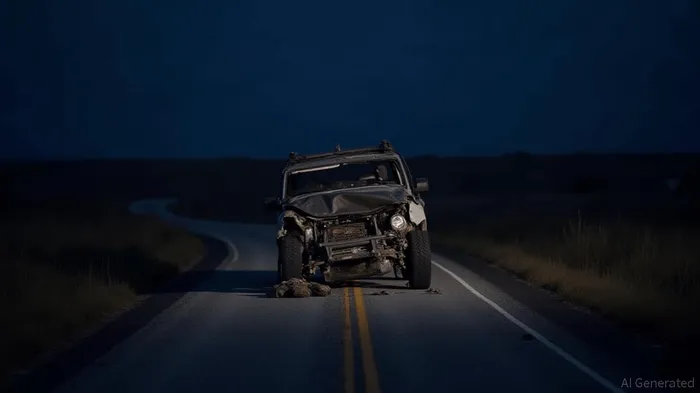
A driver from Bulgaria was killed and a passenger from North Macedonia was injured in a car collision with a moose near Alaska's Denali National Park. The accident occurred at 1 a.m. Friday, just south of the park entrance. The National Park Service (NPS) is working with the Bulgarian Embassy to notify the driver's family and has urged drivers to slow down in dark conditions and use high-beam headlights to avoid wildlife collisions [1][2][3].The incident serves as a sobering reminder of the hazards of wildlife along Alaska’s roadways. Moose, caribou, and other large animals are often active at dawn, dusk, and nighttime hours, making them difficult to see. The Alaska Department of Fish and Game estimates that at least 800 crashes involving moose occur each year in the state [1].
A 2022 study published in Environmental Research Letters reported that 82% of moose collisions happen after dark, with the risk being between 2.4 and 5.7 times higher in winter compared to early summer. The study also noted that collision rates were highest in areas where snow depth was less than four feet, suggesting that moose tend to move into shallower snow zones, including roadways, during winter [1].
To avoid dangerous encounters with moose, drivers are advised to slow down in inclement weather or low visibility, scan both sides of the road for wildlife, and keep a safe distance from other vehicles. Cleaning windows and headlights regularly can also improve visibility. Knowing which areas are moose hot spots will help travelers stay alert [1].
The NPS warns that moose sightings in Denali are more likely in certain areas, whether you're driving or hiking. They tend to favor forested and shrubby habitats and can often be spotted in the first 15 miles of the Park Road. Additional hot spots include the park entrance near the Denali Visitor Center or Riley Creek Campground during the spring months, and between Miles 9 and 13 of the Park Road during the fall months [1].
While moose-related crashes are relatively common in Alaska, many are preventable. Following safety recommendations and staying alert while driving can go a long way in helping to avoid a dangerous or potentially deadly encounter.
References:
[1] https://www.thetravel.com/tragic-moose-collision-alaska-denali-national-park-wildlife-hazards/
[2] https://www.cnn.com/2025/08/03/us/fatal-car-accident-moose-alaska
[3] https://www.cbsnews.com/news/denali-national-park-crash-moose-bulgaria/
Stay ahead of the market.
Get curated U.S. market news, insights and key dates delivered to your inbox.
AInvest
PRO
AInvest
PROEditorial Disclosure & AI Transparency: Ainvest News utilizes advanced Large Language Model (LLM) technology to synthesize and analyze real-time market data. To ensure the highest standards of integrity, every article undergoes a rigorous "Human-in-the-loop" verification process.
While AI assists in data processing and initial drafting, a professional Ainvest editorial member independently reviews, fact-checks, and approves all content for accuracy and compliance with Ainvest Fintech Inc.’s editorial standards. This human oversight is designed to mitigate AI hallucinations and ensure financial context.
Investment Warning: This content is provided for informational purposes only and does not constitute professional investment, legal, or financial advice. Markets involve inherent risks. Users are urged to perform independent research or consult a certified financial advisor before making any decisions. Ainvest Fintech Inc. disclaims all liability for actions taken based on this information. Found an error?Report an Issue


ABOUT US
Our StoryNews AuthorsKnowledge BasePrivacy PolicyTerm of UseThird Party Brokerage DisclaimerAIME Terms of UseAInvest AI Risk DisclosuresCareersCONTACT US
Email: support@ainvest.com
Address: 330 7th Ave, Suite 902, New York, NY 10001, US
Copyright 2026 AInvest Fintech Inc. All rights reserved.


Comments
No comments yet