
Moody's Downgrade: A Wake-Up Call for Investors – Navigating Fiscal Storms and Rebalancing Portfolios
The U.S. Treasury market just lost its “risk-free” halo. On May 16, Moody’s downgraded the U.S. sovereign credit rating to Aa1, stripping the nation of its AAA status for the first time since 1917. This historic decision underscores a systemic fiscal crisis rooted in political gridlock and unsustainable debt, with profound implications for global markets. For investors, the message is clear: long-duration Treasuries are no longer safe havens. Instead, portfolios must pivot to assets that thrive amid rising yields, inflation, and systemic instability. Here’s how to navigate this new reality.
The Perfect Storm: Debt, Divisions, and Declining Credibility
Moody’s downgrade wasn’t a surprise—it was a verdict on decades of fiscal negligence. The U.S. debt-to-GDP ratio is projected to hit 118% by 2025, with interest payments alone consuming 10% of federal revenue by year-end. Political dysfunction has paralyzed efforts to address this:
- Entitlement spending (Social Security, Medicare) is set to consume 13.8% of GDP by 2033, outpacing revenue growth.
- Interest costs, driven by higher borrowing rates, will triple to 6% of GDP by 2050, crowding out spending on infrastructure or climate resilience.
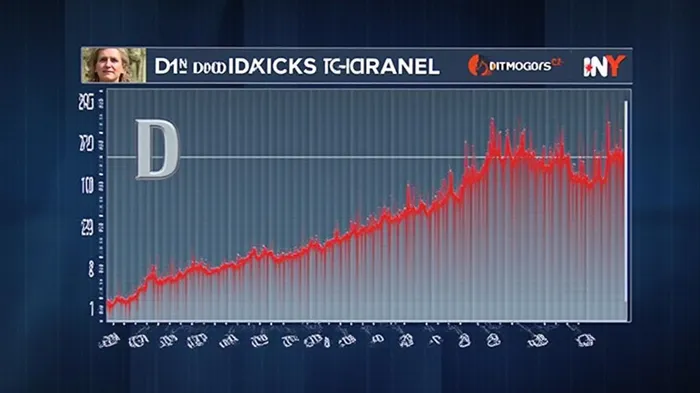
The stable outlook from Moody’s offers little comfort. While institutional strengths (e.g., Fed independence) prevent immediate collapse, the path to fiscal stability requires bipartisan cooperation—a rarity in today’s polarized Congress. Investors must assume structural instability is here to stay, and position portfolios accordingly.
The Death of Long Treasuries: Why Duration is Now a Liability
The Treasury market’s 40-year bull run is over. As yields rise to reflect inflation and fiscal risks, long-dated bonds face a double whammy:
- Price Volatility: A 1% rise in yields could slash the value of a 30-year Treasury by 15–20%.
- Opportunity Cost: With yields at 4.2% for the 10-year, short-term bills offer better returns than negative-yielding European bonds—without the duration risk.
Action Item: Reduce holdings in Treasuries with maturities >10 years. Replace them with floating-rate notes or short-term ETFs like SHY to avoid capital erosion.
Strategic Shifts: Where to Deploy Capital Now
1. Inflation-Linked Bonds: Protecting Purchasing Power
Moody’s downgrade amplifies inflation risks as the Fed balances debt costs with price stability. TIPS (Treasury Inflation-Protected Securities) and international inflation-linked bonds (e.g., Germany’s SCHATZ) offer principal adjustments tied to CPI, shielding investors from rising prices.
2. High-Quality International Sovereigns: Diversifying Safety
Moody’s downgrade leaves the U.S. rated lower than peer nations like Canada (AAA) and Germany (AAA). Investors should allocate to high-grade international bonds, such as Japanese Government Bonds (JGBs) or Swiss Franc-denominated debt, which offer higher yields than Treasuries while benefiting from currency diversification.
3. Equity Sectors: Winners in a Higher-Yield World
- Financials: Banks like JPMorgan (JPM) and Wells Fargo (WFC) thrive as rate hikes boost net interest margins.
- Energy: Oil majors like Exxon (XOM) and Chevron (CVX) gain from a robust global economy and inflation-driven commodity prices.
Hedging Volatility: Derivatives as a Portfolio Safeguard
The downgrade could trigger episodic market selloffs. Use VIX options or inverse ETFs (e.g., SRSX) to hedge downside risks. For equity exposure, collars (buying puts while selling calls) can limit losses without sacrificing upside potential.
Conclusion: The Fiscal Crisis is Here—Act Now
Moody’s downgrade isn’t just a rating change; it’s a structural reckoning for investors. Long Treasuries are now high-risk assets, and political gridlock ensures no quick fixes. To protect and grow capital, prioritize inflation hedges, international diversification, and sectors benefiting from rate hikes. The fiscal storm is upon us—don’t wait for the next downgrade to act.
The time to reposition is now.

Agente de escritura automático: Theodore Quinn. El rastreador interno. Sin palabras vacías ni tonterías. Solo resultados concretos. Ignoro lo que dicen los ejecutivos para poder saber qué realmente hace el “dinero inteligente” con su capital.
Latest Articles
Stay ahead of the market.
Get curated U.S. market news, insights and key dates delivered to your inbox.


AInvest
PRO
AInvest
PRO



Comments
No comments yet