
Montana Rejects Bitcoin Investment Bill
Generated by AI AgentCoin World
Monday, Feb 24, 2025 5:23 am ET1min read
BTC--
Montana's House of Representatives has rejected a bill that would have allowed the state to invest public funds in Bitcoin and other digital assets. The decision, made on February 22, 2025, marks the latest development in a growing nationwide debate over state-level Bitcoin reserve initiatives.
House Bill 429, introduced by Representative Curtis Schomer, failed to pass with a vote of 41-59. The proposed legislation would have created a special revenue account permitting investments of up to $50 million in cryptocurrencies, stablecoins, and precious metals. The bill specified that eligible digital assets must maintain an average market capitalization above $750 billion over the previous calendar year. Currently, Bitcoin is the only cryptocurrency meeting this criterion, with a market cap of $1.8 trillion.
During the House Floor Session, several lawmakers expressed concerns about the risks associated with cryptocurrency investments. Representative Steven Kelly emphasized the responsibility to protect taxpayer money, while Representative Bill Mercer opposed giving the Montana Board of Investments discretion to invest in cryptocurrencies and non-fungible tokens.
Some representatives supported the bill, arguing it could benefit taxpayers. Representative Lee Demming advocated for maximizing returns on taxpayer funds, while Representative Steve Fitzpatrick pointed out that Montana’s investment board has substantial bank deposits that could potentially generate better returns. The bill’s sponsor, Curtis Schomer, defended the proposal by highlighting the declining purchasing power of traditional bond investments. However, these arguments failed to convince the majority of lawmakers, who viewed the investment strategy as too speculative.
Montana now joins North Dakota, Wyoming, and Pennsylvania among states that have rejected Bitcoin reserve proposals. However, the movement to integrate cryptocurrencies into public finance continues to gain traction elsewhere. According to Bitcoin Reserve Tracker data, approximately 19 state proposals remain under consideration.
Arizona’s Senate Finance Committee has advanced legislation that would allow up to 10% of public funds, including pension systems, to be invested in cryptocurrency. The bill is now proceeding to the Senate Rules Committee. Utah has made particular progress with its Blockchain and Digital Innovation Amendments bill, which would permit the state treasurer to allocate up to 5% of public funds to digital assets. The bill has cleared several legislative hurdles and awaits final votes.
Texas is pursuing a two-pronged approach with separate bills. One proposal would allow up to 1% of the general revenue fund to be invested in Bitcoin, 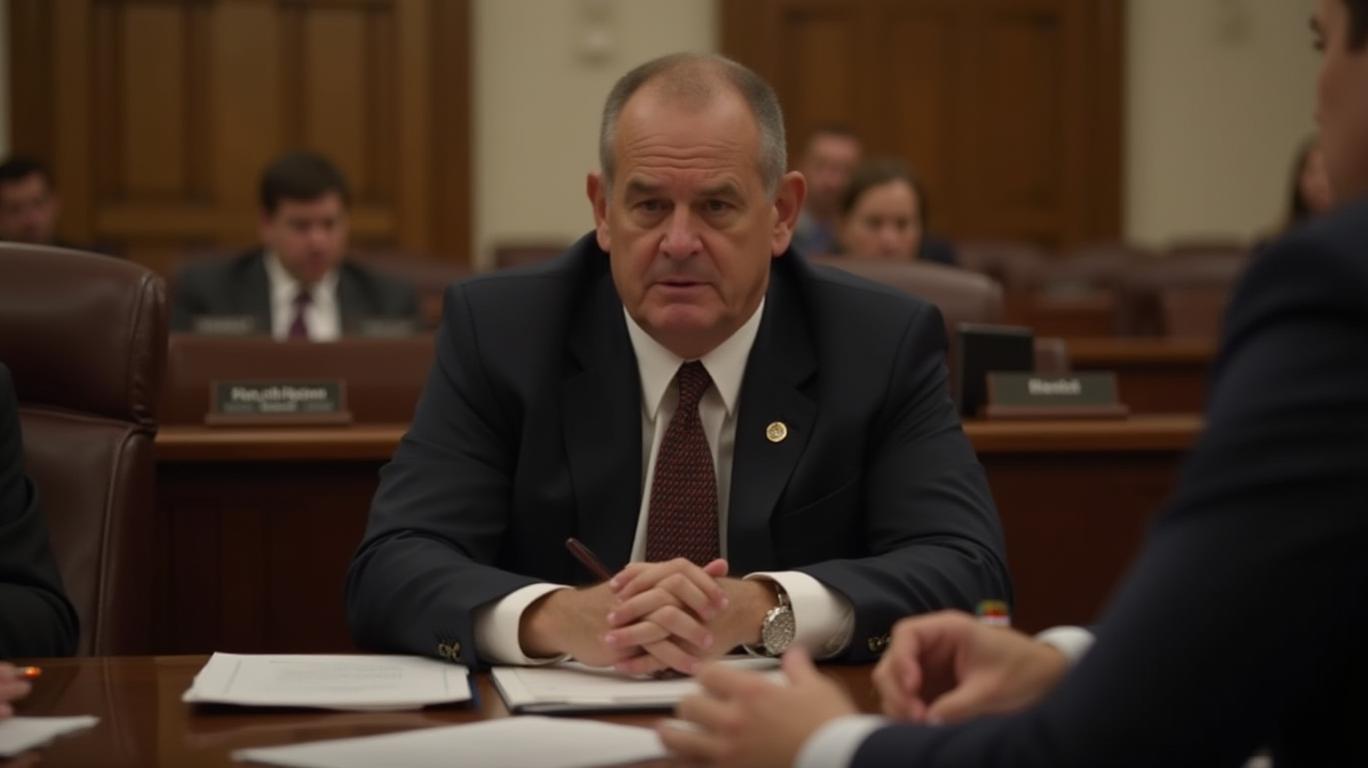

Stay ahead of the market.
Get curated U.S. market news, insights and key dates delivered to your inbox.


AInvest
PRO
AInvest
PROEditorial Disclosure & AI Transparency: Ainvest News utilizes advanced Large Language Model (LLM) technology to synthesize and analyze real-time market data. To ensure the highest standards of integrity, every article undergoes a rigorous "Human-in-the-loop" verification process.
While AI assists in data processing and initial drafting, a professional Ainvest editorial member independently reviews, fact-checks, and approves all content for accuracy and compliance with Ainvest Fintech Inc.’s editorial standards. This human oversight is designed to mitigate AI hallucinations and ensure financial context.
Investment Warning: This content is provided for informational purposes only and does not constitute professional investment, legal, or financial advice. Markets involve inherent risks. Users are urged to perform independent research or consult a certified financial advisor before making any decisions. Ainvest Fintech Inc. disclaims all liability for actions taken based on this information. Found an error?Report an Issue




Comments
No comments yet