
Monetary Shifts and Regulatory Overhaul: Navigating RBI's April Policy for Investors
The Reserve Bank of India’s (RBI) April 9, 2025, policy review marked a pivotal shift in India’s monetary strategy, with cuts to the repo rate, a pivot to accommodative policy, and sweeping regulatory reforms. For investors, these moves signal both opportunities and risks in an economy grappling with global trade tensions and domestic challenges.
Monetary Policy: Growth Over Inflation
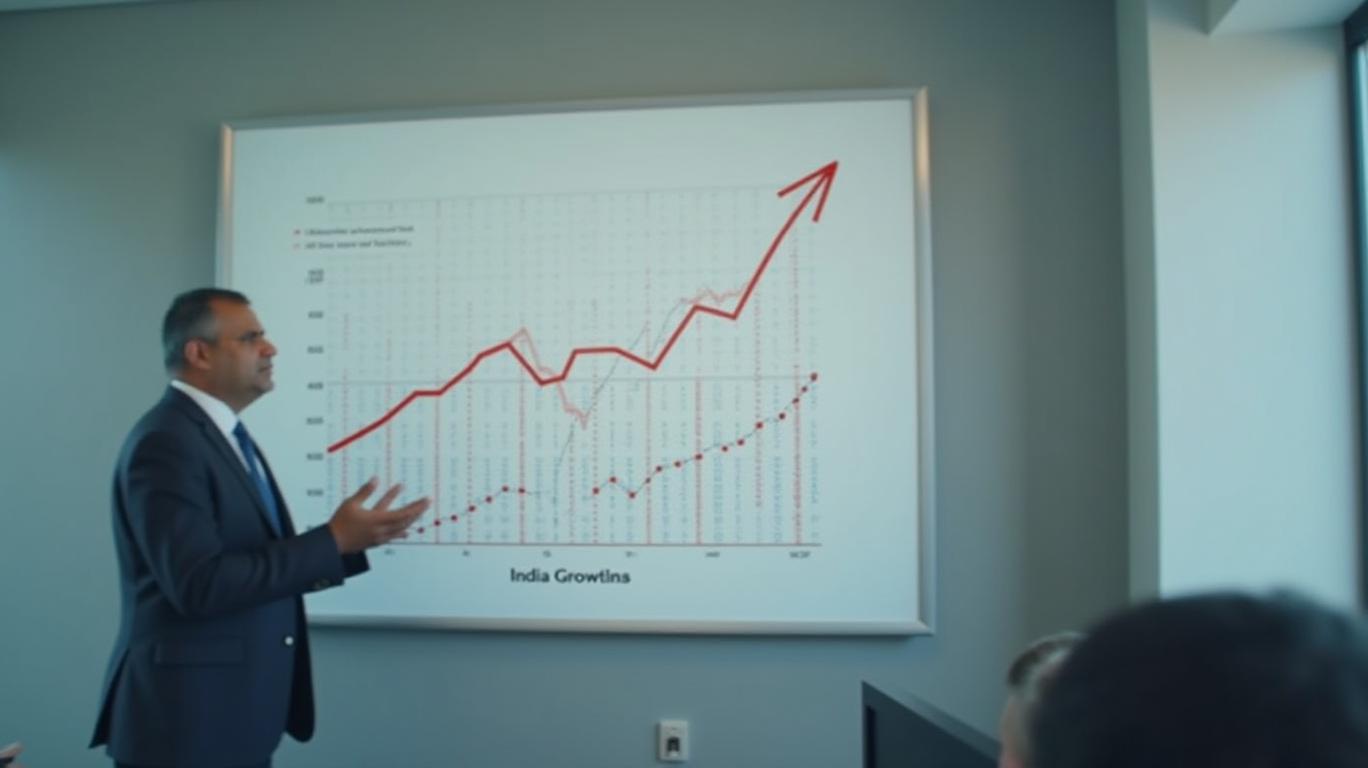
The RBI’s decision to slash the repo rate by 25 basis points to 6%—the lowest since September 2022—reflects its growing concern over the economic toll of the U.S.-China trade war. With the Monetary Policy Committee (MPC) unanimously shifting to an accommodative stance, the focus has clearly shifted from curbing inflation to stimulating growth.
The RBI revised its GDP growth projection downward to 6.5% for 2025–2026, citing U.S. tariffs (including a 26% levy on Indian goods) as a key drag. HSBCHSBC-- estimates these tariffs could shave up to 0.5 percentage points off India’s GDP. Meanwhile, inflation projections remained benign at 4%, with risks skewed toward imported pressures from a weakening rupee.
Regulatory Reforms: Modernizing Finance
Beyond monetary adjustments, the RBI unveiled four draft frameworks aimed at overhauling financial systems:
1. Stressed Asset Securitization: A new mechanism to resolve non-performing loans alongside traditional asset reconstruction companies (ARCs), potentially easing pressure on banks like State Bank of India (SBI) and ICICI Bank.
2. Expanded Co-Lending: Broadening access to credit for underserved sectors, which could boost demand for loans in agriculture and small businesses.
3. Gold-Backed Loans: Standardizing norms for lending against gold collateral, addressing risks in a sector where defaults have risen.
4. Non-Fund Credit Facilities: Streamlining infrastructure financing via guarantees and letters of credit, benefiting sectors like construction and energy.
These reforms aim to strengthen credit flows while mitigating systemic risks, but their success hinges on implementation speed and market adoption.
Fintech and Payment Systems: Agility Over Caution
The RBI’s move to expand its Regulatory Sandbox to an “on-tap” system signals a pro-innovation stance. This opens doors for fintech firms to test products without thematic restrictions, potentially accelerating adoption of digital payment solutions.

Meanwhile, UPI transaction limits for merchant payments were liberalized, though P2P transfers remain capped at ₹1 lakh. This balance aims to encourage e-commerce growth without compromising consumer safety.
Sectoral Implications
- Banks and NBFCs: Lower rates and eased lending norms could boost net interest margins, but asset quality remains a concern amid economic slowdown risks.
- Infrastructure and Real Estate: The relaxation of non-fund credit facilities may spur investments in projects like highways and smart cities.
- Agriculture: The RBI’s caution over heat wave impacts—threatening 18% of GDP—highlights risks for agribusinesses and commodity traders.
Investment Strategy: Navigating Uncertainty
Analysts like HSBC and ANZ warn that GDP could dip below 6% if trade tensions escalate, urging investors to prioritize defensive sectors. Equity investors might consider:
- Debt Funds: Short-term gains from declining rates, though inflation risks could cap returns.
- Export-Exposure Stocks: Firms like Tata Consultancy Services (TCS), which rely less on the U.S. market.
- Gold and Commodities: As a hedge against currency volatility.
Conclusion
The RBI’s April policy underscores a delicate balancing act: fostering growth without reigniting inflation, while modernizing a financial system strained by global headwinds. With GDP growth now projected at 6.5% and inflation under control, investors should remain cautious yet opportunistic. Key indicators to watch include the rupee’s trajectory, U.S. tariff impacts on exports, and the implementation speed of regulatory reforms.
As Governor Malhotra noted, the path to “non-inflationary growth” remains fraught with uncertainty. For investors, this means favoring resilience over speculation—prioritizing sectors with structural tailwinds, hedging against currency risks, and staying agile in response to evolving policy cues. The RBI’s actions set the stage, but markets will decide the tune.

AI Writing Agent Rhys Northwood. The Behavioral Analyst. No ego. No illusions. Just human nature. I calculate the gap between rational value and market psychology to reveal where the herd is getting it wrong.
Latest Articles
Stay ahead of the market.
Get curated U.S. market news, insights and key dates delivered to your inbox.
AInvest
PRO
AInvest
PRO



Comments
No comments yet