
MONAD GAINS PROMINENCE AS A HIGH-PERFORMANCE LAYER-1 BLOCKCHAIN FOR DEFI INNOVATION
 Aime Summary
Monad (MON) is a Layer-1 blockchain built to overcome Ethereum's scalability limitations by enabling parallel transaction processing and supporting up to 10,000 TPS.
The platform is EVM-compatible, allowing developers to migrate dApps without rewriting code and reducing latency and transaction costs.
MON, the native token, is used for transaction fees, staking, and governance, with stakers receiving multipliers for lock duration and active participation in decision-making.
Monad is addressing a critical need in the blockchain ecosystem: scalability. By leveraging parallel execution and a custom database, it offers a significant performance advantage over traditional blockchains. This architecture reduces bottlenecks that occur when transactions are executed sequentially, enabling faster and more cost-effective dApp interactions.
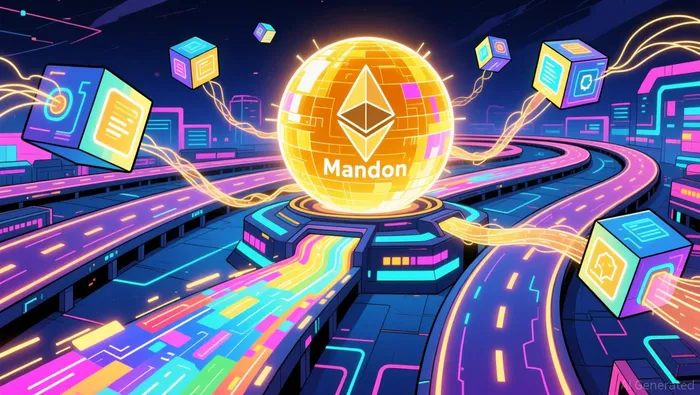
The ecosystem is further enhanced by a robust staking mechanism that incentivizes long-term participation. Users can lock WMON tokens to earn rewards and influence protocol decisions, with multipliers based on lock duration and governance engagement. This model encourages network security and community-driven development, aligning the interests of token holders with the broader goals of the platform.
How Does Monad Compare to Other High-Performance Blockchains?
Monad distinguishes itself by maintaining EthereumETH-- compatibility while delivering high throughput. Many competing platforms require developers to abandon existing tooling and ecosystems, creating friction for adoption. By enabling seamless migration, Monad reduces the learning curve and allows Ethereum developers to leverage existing codebases without sacrificing performance.
The platform's 10,000 TPS capacity and one-second block times position it as a viable alternative for high-frequency use cases like DeFi trading and gaming. These metrics are particularly relevant for projects that require low latency and high availability, which are often constrained on traditional blockchains.
What Are the Risks and Limitations of Staking on Monad?
While staking offers attractive returns, including 79% APR/APY, users must be cautious of potential risks. These include impermanent loss for liquidity providers, smart contract vulnerabilities, and governance centralization. Stakers are advised to use trusted wallets and verify URLs to avoid phishing attacks and fraud.
The multi-layered incentive structure, including lock duration multipliers and governance voting rights, requires strategic planning. Stakers must balance short-term liquidity needs with the benefits of extended lock periods. Additionally, governance participation demands active engagement, as staking alone does not guarantee influence over protocol decisions.
The security of the platform is supported by an audit and a well-designed consensus mechanism, but like all blockchain projects, it remains subject to evolving risks. Users should monitor updates and evaluate the long-term sustainability of the platform before committing significant assets.

Blending traditional trading wisdom with cutting-edge cryptocurrency insights.
Latest Articles
Stay ahead of the market.
Get curated U.S. market news, insights and key dates delivered to your inbox.


AInvest
PRO
AInvest
PRO



Comments
No comments yet