
Modern Parenting Trends Linked to 30% Rise in Child Anxiety
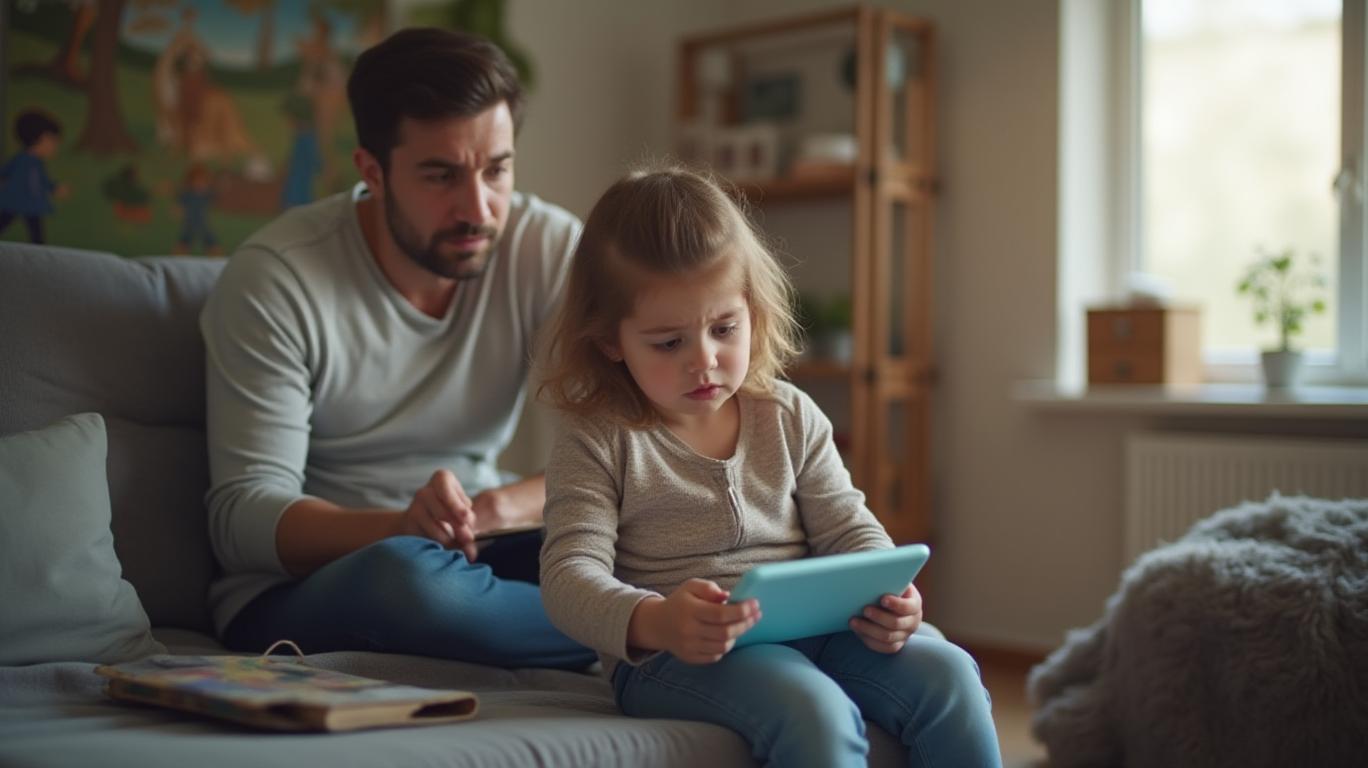
Modern parenting practices are under scrutiny for their potential negative impacts on both children and adults. Jonathan Haidt, author of "The Anxious Generation," has warned that contemporary parenting styles may be inadvertently harming the well-being of the next generation. Haidt emphasizes the detrimental effects of excessive screen time, particularly the use of iPads and other digital devices, which can isolate children and hinder their social and emotional development. This trend is part of a broader shift in parenting that prioritizes convenience and safety over the development of resilience and independence.
The rise of "FAFO parenting," a term coined by clinical psychologist Dr. Becky Kennedy, exemplifies this shift. FAFOFAF-- stands for "Failure and Fear of Others," and it refers to a parenting style that overprotects children from failure and the judgment of others. While this approach aims to shield children from harm, it can also prevent them from developing the coping mechanisms and resilience needed to navigate life's challenges. Dr. Kennedy notes that while FAFO parenting may seem like a good choice in the short term, it carries significant risks, including the potential for children to become overly dependent and anxious.
The impact of modern parenting extends beyond children to adults as well. The increased reliance on digital devices and the fear of failure can lead to a generation of adults who struggle with anxiety and self-doubt. This is evident in the growing number of adults who report feeling overwhelmed by the pressures of modern life and the constant need to perform. The trend is particularly concerning given the long-term implications for mental health and overall well-being.
The issue of modern parenting is further complicated by the increasing adoption of social media among adolescents. Social media usage has significantly increased in recent years, playing a crucial role in contemporary youth culture. While social media can provide a platform for self-expression and connection, it can also exacerbate feelings of anxiety and inadequacy. The constant comparison and pressure to present a perfect image can take a toll on young people's mental health, contributing to the overall sense of anxiety and uncertainty.
In response to these challenges, experts are calling for a more balanced approach to parenting that emphasizes resilience and independence. This includes encouraging children to engage in physical, emotional, and mental challenges, rather than shielding them from difficulty. By leaning into discomfort and learning to sit with it, children can build the resilience needed to navigate life's challenges and thrive in the long term.
The concerns raised by Haidt and other experts highlight the need for a deeper, more sustainable approach to parenting. Instead of running from difficulty, parents should encourage their children to face challenges head-on, fostering a sense of resilience and self-reliance. This approach not only benefits children but also has the potential to create a more confident and capable generation of adults.

Stay ahead of the market.
Get curated U.S. market news, insights and key dates delivered to your inbox.






Comments
No comments yet