
Mnuchin Defends Trump Tariffs Amid Market Volatility, Investor Uncertainty
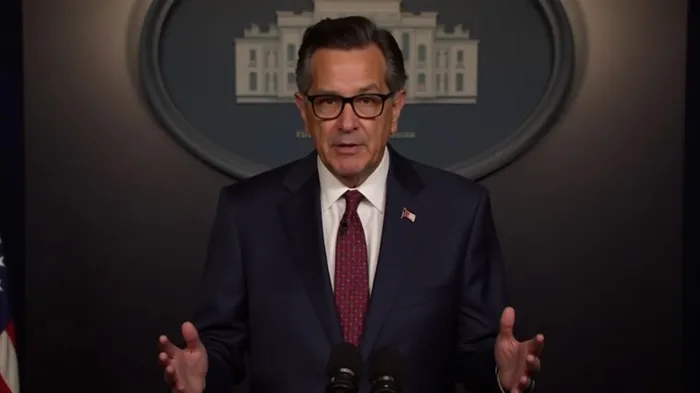
Recent market volatility has raised concerns about a potential trust crisis in U.S. assets, primarily due to the uncertainty surrounding President Trump's tariff policies. This uncertainty has led to widespread speculation about the stability and reliability of U.S. investments. In response to these concerns, U.S. Treasury Secretary Steven Mnuchin defended Trump's tariff policies, emphasizing that individual investors remain steadfast in their holdings. Mnuchin's remarks come at a time when market volatility has been on the rise, with many investors questioning the long-term viability of U.S. assets amidst the ongoing trade tensions.
Mnuchin's defense of Trump's tariff policies is seen as an attempt to reassure both domestic and international investors. The Secretary's comments highlight the administration's belief that the tariffs are necessary to protect American industries and workers from unfair trade practices. Despite the market's recent fluctuations, Mnuchin's statements suggest that the administration is confident in the resilience of U.S. assets and the continued support of individual investors.
The situation has also drawn attention to the actions of prominent investors. Reports indicate that individual investors have been actively adjusting their portfolios in response to the trade tensions. This shift in strategy underscores the broader impact of the trade war on investment decisions, as even seasoned investors are reassessing their positions in light of the ongoing uncertainties.
The defense of Trump's tariff policies by Mnuchin and the strategic moves by investors reflect the complex dynamics at play in the current market environment. While the administration seeks to project confidence in U.S. assets, the actions of individual investors and prominent figures in the financial world highlight the challenges and uncertainties that lie ahead. The situation underscores the need for continued vigilance and adaptability in the face of evolving market conditions and geopolitical risks.
In addition to the market's reaction to tariff policies, there are growing concerns about the potential economic impact of high tariffs. Institutional investors are increasingly worried that elevated tariffs could burden consumers and slow down economic growth, potentially leading to a recession. Economic experts have warned that as consumers begin to experience shortages of trade-related goods in stores next month, the U.S. could face a summer recession.
Furthermore, the global trade war initiated by Trump has raised concerns about the potential long-term effects on the U.S. economy. Critics argue that the trade war could damage the U.S.'s global reputation and weaken the attractiveness of U.S. national debt. These concerns highlight the broader implications of the trade war beyond immediate market fluctuations, emphasizing the need for a balanced approach to trade policies that considers both short-term and long-term economic impacts.

Stay ahead of the market.
Get curated U.S. market news, insights and key dates delivered to your inbox.


AInvest
PRO
AInvest
PRO



Comments
No comments yet