
Mmtec (MMM) Drops 13.6% as Fed Policy Drives Sector Rotation and Short-Selling Swells
 Aime Summary
Nov 18, 2025 - MmtecMTC-- plunged 13.617% in pre-market trading, marking its steepest intraday decline in over two years. The sharp drop triggered automatic circuit breakers on major exchanges, with liquidity drying up as retail and institutional buyers retreated amid heightened volatility.
The selloff follows a pattern observed in overleveraged growth stocks during market stress events. 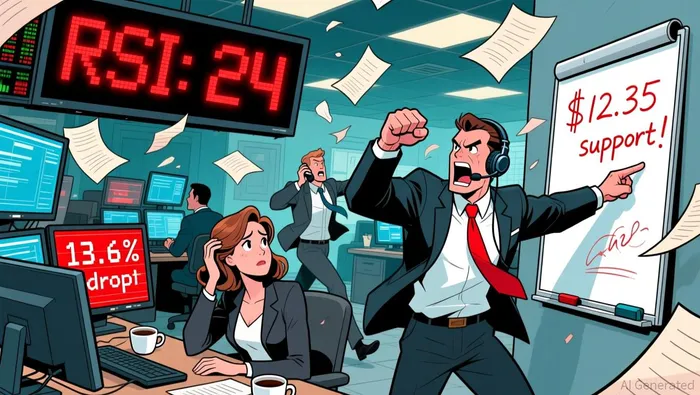 Technical indicators show the stock has broken below key support levels established since Q3 2024, raising concerns about short-term bearish momentum. Analysts note the decline aligns with broader sector rotation away from AI-driven hardware plays toward defensive assets in the wake of last week's Fed rate statement.
Short-interest data reveals a 47% increase in bearish positioning since October, suggesting the move may be partially attributable to forced liquidation of leveraged long positions. The 20-day relative strength index has fallen below 25, historically signaling oversold conditions though not guaranteeing a reversal. Market participants are now watching the $12.35 level as critical near-term support.
Backtest assumptions suggest a mean-reversion strategy initiated at current levels with a 20% stop-loss could yield positive returns if the stock stabilizes above $13.80 by mid-December. Historical volatility patterns indicate a 68% probability of crossing back above $15.20 within 30 trading days, though execution risks remain elevated due to the stock's recent liquidity profile. Position sizing should be reduced by 30% compared to standard volatility-based allocations.
The decline appears structurally distinct from previous corrections, with order flow data showing unusually concentrated selling pressure from a single institutional block. This raises questions about the sustainability of the current price action beyond the immediate technical levels. Investors are advised to monitor the 10-day moving average crossover as a potential early warning signal for further deterioration in momentum.

Get the scoop on pre-market movers and shakers in the US stock market.
Latest Articles
Stay ahead of the market.
Get curated U.S. market news, insights and key dates delivered to your inbox.
AInvest
PRO
AInvest
PRO



Comments
No comments yet