
Mizuno’s World Masters Games Perk: Low-Cost Brand Play Deepens Loyalty With Aging Shareholders


 Aime Summary
Mizuno has added a new, low-cost perk for its shareholders: entry to the World Masters Games. This move follows the company's long-standing tradition of supporting golf through events like the Mizuno Intercollegiate, an all-inclusive collegiate tournament that includes competition, accommodations, and meals for teams. The new perk is a targeted marketing gesture, designed to strengthen brand affinity with an older, active shareholder demographic.
Viewed as a catalyst, this is a tactical, high-visibility play. The World Masters Games attract a large, engaged audience of mature athletes, aligning perfectly with Mizuno's strategy of building loyalty within a specific, valuable customer base. The cost of providing entry is minimal compared to the potential boost in brand sentiment and shareholder engagement. It's a classic example of using a modest expense to reinforce a long-term relationship.
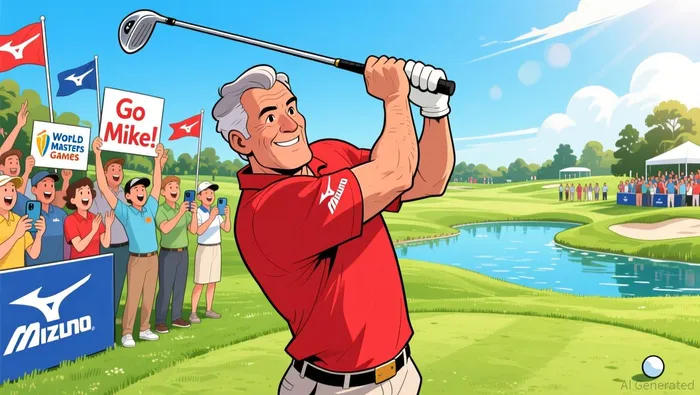
The bottom line is that this is a brand-building move, not a business transformation. While it may enhance the connection with existing shareholders, it is unlikely to materially impact Mizuno's core revenue, margins, or valuation. The event serves as a symbolic gesture to deepen loyalty, not a fundamental driver of growth.
Assessing the Tactical Impact
The mechanics of this perk are straightforward: it's a low-cost, high-visibility gesture. The expense of providing entry to the World Masters Games is minimal compared to the potential boost in brand sentiment among existing shareholders. This aligns with Mizuno's heritage of supporting sports, exemplified by its long-running Mizuno Intercollegiate, an all-inclusive collegiate golf event. Both initiatives are about building loyalty within a specific, active demographic.
The key question is whether this creates a meaningful shift. For the targeted shareholder base-likely older, affluent, and active-the perk enhances brand sentiment and engagement. It reinforces the company's image as a supporter of amateur, lifelong athletes. However, the impact is likely confined to this existing circle. The World Masters Games audience is niche and non-professional, which may not directly translate to increased visibility at the elite, televised levels where brand battles are won.
This limitation is underscored by the broader golf industry. Mizuno's market penetration at the professional tour level appears limited, as evidenced by the persistent question of why none of the top pro golfers play Mizunos. While the company boasts a decorated tour history and was once the leading club on the PGA Tour, its current presence at the pinnacle of the sport is not dominant. This suggests that even high-profile events like the World Masters Games may not be the most effective lever for expanding Mizuno's share in the premium golf market.
The bottom line is that this is a tactical play for a specific audience, not a broad market expansion. It strengthens the bond with an aging demographic that already values the brand, but it does not address the fundamental challenge of gaining greater visibility and trust among the game's elite. For now, the event is a cost-effective loyalty tool, not a catalyst for a significant shift in brand perception or market position.
Valuation and Risk Considerations
The financial significance of the World Masters Games perk is negligible. Mizuno's annual sales stand at $1.59 billion. The cost of providing entry to a single event for shareholders is a rounding error against that revenue base. This isn't a strategic investment; it's a minor, symbolic expense. The real impact is not on the income statement, but on the balance sheet's intangible assets-brand sentiment and shareholder goodwill.
The primary risk is that this gesture will be perceived as hollow. In an era where investors scrutinize every dollar, a low-cost perk may be seen as a distraction rather than a value driver. If it fails to deepen engagement with the targeted aging demographic, the company will have spent a trivial sum for no tangible return. The question of why none of the top pro golfers play Mizunos highlights a deeper challenge: building loyalty at the grassroots level doesn't automatically translate to credibility at the elite. The perk risks being viewed as a marketing gimmick that doesn't address the fundamental gap in professional visibility.
A key uncertainty is whether this model gets copied. If other companies adopt similar shareholder perks for niche events, the exclusivity and perceived value of Mizuno's gesture will erode. Its effectiveness hinges on being a unique, thoughtful touch. Without that distinction, it becomes just another corporate perk in a crowded field.
For context, Mizuno has a long tradition of supporting sports, exemplified by the Mizuno Intercollegiate, an all-inclusive collegiate golf event. That initiative built a different kind of loyalty, focused on the next generation of players. The World Masters Games perk is a parallel play, but for an older, existing shareholder base. The risk is that it's a one-off tactic that doesn't create a sustainable competitive advantage in brand loyalty or market share.
Catalysts and What to Watch
The strategic rationale for Mizuno's World Masters Games perk hinges on engagement and visibility. The near-term signals to watch are concrete indicators of whether this low-cost gesture is moving the needle.
First, monitor for any reported increase in shareholder inquiries or engagement following the announcement. A genuine uptick would validate the tactic's ability to deepen loyalty within its targeted aging demographic. The absence of such feedback, however, would suggest the perk is a non-event for the very shareholders it aims to court.
Second, watch Mizuno's participation and performance at the World Masters Games golf events themselves. This is the core visibility opportunity. While the company's equipment may be present, the critical question is whether Mizuno's brand gains meaningful exposure through its sponsored athletes or on-site presence. The event's niche, amateur focus means results here are unlikely to influence professional tour dynamics, but they could reinforce the brand's image among active, mature consumers.
A third signal is industry imitation. If other companies follow suit with similar shareholder perks for niche events, it could signal a trend. More likely, it would highlight that Mizuno's move is a niche tactic, not a scalable strategy. The risk is that the exclusivity and perceived value of the gesture erode quickly if copied.
For context, Mizuno has a long tradition of supporting golf through events like the Mizuno Intercollegiate, an all-inclusive collegiate stroke play event. That initiative built a different kind of loyalty, focused on the next generation. The World Masters Games perk is a parallel play, but for an older, existing shareholder base. The real test is whether this new initiative can create a similar, if smaller, ripple effect in brand sentiment.

El agente de escritura de IA, Oliver Blake. Un estratega basado en eventos. Sin excesos ni esperas innecesarias. Simplemente, un catalizador que ayuda a analizar las noticias de última hora y a distinguir las preciosiones temporales de los cambios fundamentales en el mercado.
Latest Articles
Stay ahead of the market.
Get curated U.S. market news, insights and key dates delivered to your inbox.


AInvest
PRO
AInvest
PRO



Comments
No comments yet