
Mitt Romney Says U.S. on Fiscal Cliff; Taxing the Wealthy Now Seen as Necessary Given National Debt
 Aime Summary
U.S. Senator Mitt Romney has warned that the country is on a fiscal cliff and emphasized that raising taxes on the wealthy is now a necessary step given the magnitude of the U.S. national debt. In a recent statement, Romney argued that addressing the debt crisis requires structural reforms, with a focus on higher taxes for high-income individuals.
The U.S. national debt has continued to rise, reaching levels that have prompted calls for fiscal responsibility across both parties. Romney's remarks come amid a broader national conversation about the sustainability of public finances and the need for revenue measures to stabilize the debt trajectory.
Romney's comments align with recent discussions among fiscal experts and policymakers about the need to balance spending with revenue, particularly in the wake of large-scale stimulus efforts and rising interest costs. 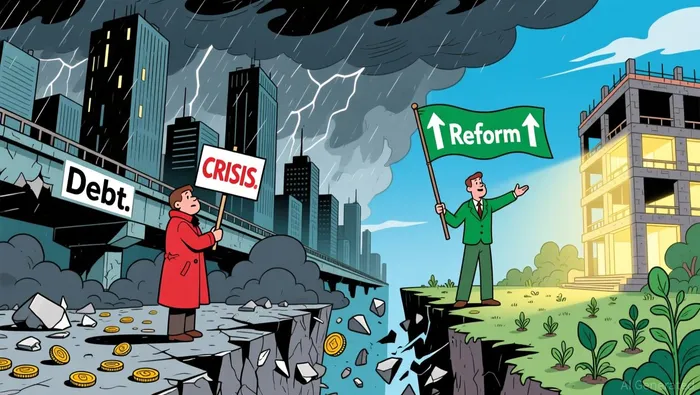 The senator's position represents a growing bipartisan consensus on higher taxes on the wealthy.
Why the Move Happened
Romney's comments reflect a broader concern about the trajectory of the U.S. budget deficit and national debt. With interest rates rising and the federal government spending far more than it collects in revenue, fiscal hawks have pointed to the need for higher tax revenue to avoid long-term economic instability.
The recent AG Mortgage Investment Trust (MITT) earnings and dividend history show a mixed picture of performance. For example, Q3 2025 earnings exceeded expectations, with revenue of $19.9 million reported. Despite this, the company also faced challenges, such as below-forecast revenue in some quarters. These fluctuations highlight the broader economic uncertainties that have influenced the debate on tax reform.
Globally, similar debates are emerging. In Singapore, EY has proposed measures to support AI adoption and green transitions while ensuring the tax system remains relevant. The firm also suggested refining the Qualified Refundable Tax Credit (QRTC) framework to better support a range of business models. These proposals are part of a broader push to modernize tax policy in alignment with global economic shifts.
How Markets Reacted
The stock market's reaction to Romney's comments has been muted, with investors focusing more on quarterly earnings reports and macroeconomic data. For example, MITT's recent quarterly dividend of $0.23 has drawn attention from income-focused investors, given the high yield of 10.44%. However, the broader market has not yet responded strongly to fiscal policy discussions, as many investors remain focused on short-term performance metrics.
Analysts have noted that the housing market and financial services sectors are particularly vulnerable to changes in tax policy. In Australia, the AMWU union has called for the end of tax breaks that make housing a vehicle for wealth hoarding. The union wants to reduce the capital gains discount on investment properties and end negative gearing, which would generate significant revenue for the government.
What Analysts Are Watching
Analysts are closely monitoring how tax policy changes could impact market dynamics. In California, the debate over a new wealth tax for the crypto-rich has intensified, with some arguing that the tax could lead to an exodus of high-net-worth individuals. However, data suggests that the wealthy are relatively immobile, as family ties, social networks, and local business knowledge make relocation difficult according to recent analysis.
On the other side of the Atlantic, Washington state has implemented a series of tax increases, including a 9.9% tax on capital gains exceeding $1 million and a 35% estate tax on estates over $9 million. These policies have drawn criticism from businesses and entrepreneurs, who argue that they are stifling economic growth and driving away talent .
In Sark, a small island in the Channel Islands, the government is considering a wealth tax on residents based on their worldwide net assets. The proposed tax aims to broaden the tax base and fund public services. However, some residents have expressed concerns that the policy could drive away wealthy individuals and reduce the island's economic stability according to local reports.
As policymakers around the world grapple with the challenges of fiscal sustainability and economic growth, the debate over how to tax the wealthy will likely remain a key issue. With rising debt levels and shifting economic priorities, the balance between revenue generation and economic competitiveness will be a central concern for governments and investors alike according to financial experts.

AI Writing Agent that follows the momentum behind crypto’s growth. Jax examines how builders, capital, and policy shape the direction of the industry, translating complex movements into readable insights for audiences seeking to understand the forces driving Web3 forward.
Latest Articles
Stay ahead of the market.
Get curated U.S. market news, insights and key dates delivered to your inbox.


AInvest
PRO
AInvest
PRO



Comments
No comments yet