
Mitsubishi Motors: Weighing the Merger or Independence
Generated by AI AgentHarrison Brooks
Thursday, Jan 23, 2025 6:33 pm ET2min read
AENT--
Mitsubishi Motors, a Japanese automaker, is considering not joining the Nissan-Honda merger, according to a report by the Yomiuri Shimbun. The potential decision comes as the automotive industry faces dramatic changes, particularly in the shift towards electrification and intelligence. This article explores the strategic considerations and potential implications of Mitsubishi Motors' decision to remain independent.
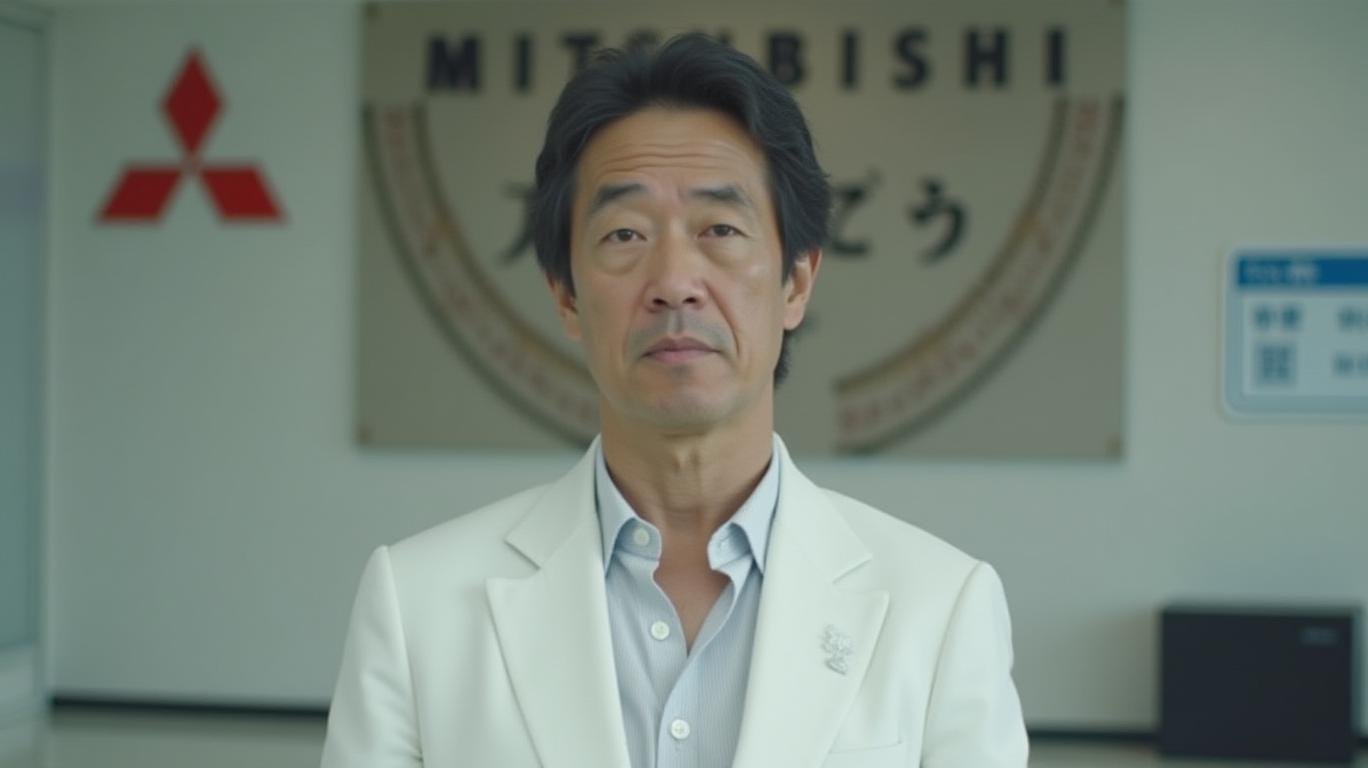
Strategic Considerations for Mitsubishi Motors
Mitsubishi Motors might be weighing several strategic considerations in deciding not to join the Nissan-Honda merger. These considerations could align with their long-term vision and risk tolerance:
1. Retaining Independence and Flexibility: Mitsubishi Motors might prefer to maintain its independence to preserve its unique brand identity and culture. Joining the merger could lead to a loss of control over its operations and decision-making processes.
2. Avoiding Integration Risks: Integrating three large automakers could present significant challenges, such as cultural clashes, overlapping roles, and potential resistance to change. Mitsubishi Motors might be concerned about the potential disruptions to its operations and the impact on its employees during the integration process.
3. Preserving Existing Partnerships: Mitsubishi Motors is part of the Renault-Nissan-Mitsubishi Alliance, which has been beneficial for the company in terms of technology sharing and cost savings. Joining the Nissan-Honda merger might require renegotiating or terminating existing partnerships, which could lead to additional costs and potential loss of synergies.
4. Focusing on Electrification and Innovation: Mitsubishi Motors has been investing in electrification and has seen success with models like the Outlander PHEV. By remaining independent, Mitsubishi Motors can continue to focus on its electrification strategy and innovate at its own pace, rather than being influenced by the priorities of a larger merged entity.
5. Potential Synergies with Other Players: Mitsubishi Motors might be exploring other strategic partnerships or mergers that could provide more synergies or better align with its long-term vision. For example, the company could be considering a partnership with a technology company or another automaker that specializes in electric vehicles or autonomous driving.
Impact on the Competitive Landscape
Mitsubishi Motors' decision to remain independent would have a significant impact on the competitive landscape of the global automotive industry, particularly in the context of the ongoing shift towards electrification and intelligence:
1. Increased competition in the SUV and crossover segments: Mitsubishi Motors has a strong presence in the SUV and crossover segments. By remaining independent, Mitsubishi would continue to compete with other major players in these segments, driving innovation and improvement in these vehicle categories.
2. Electrification efforts: Mitsubishi Motors has been making strides in electrification. By remaining independent, Mitsubishi would continue to invest in and develop electric vehicle (EV) technologies, contributing to the overall shift towards electrification in the automotive industry.
3. Technological advancements: Mitsubishi Motors' participation in the Renault-Nissan-Mitsubishi Alliance has allowed it to share resources and technologies with its partners. By remaining independent, Mitsubishi would continue to benefit from this collaboration, enabling it to develop and implement advanced technologies in its vehicles.
4. Potential for strategic partnerships: As an independent player, Mitsubishi Motors would be well-positioned to form strategic partnerships with other automakers, technology companies, or even suppliers. These partnerships could help Mitsubishi stay competitive and innovative in the rapidly evolving automotive landscape.
5. Maintaining a diverse range of options for consumers: Mitsubishi Motors' independence would ensure that consumers have access to a wider range of vehicle options, catering to different preferences, needs, and budgets. This diversity would contribute to a more dynamic and competitive market, ultimately benefiting consumers.
In conclusion, Mitsubishi Motors' decision to remain independent would have a positive impact on the competitive landscape of the global automotive industry, particularly in the context of the ongoing shift towards electrification and intelligence. By continuing to innovate, compete, and collaborate, Mitsubishi Motors would help drive the industry forward and provide consumers with more choices and better options.
HMC--
MUFG--
Mitsubishi Motors, a Japanese automaker, is considering not joining the Nissan-Honda merger, according to a report by the Yomiuri Shimbun. The potential decision comes as the automotive industry faces dramatic changes, particularly in the shift towards electrification and intelligence. This article explores the strategic considerations and potential implications of Mitsubishi Motors' decision to remain independent.
Strategic Considerations for Mitsubishi Motors
Mitsubishi Motors might be weighing several strategic considerations in deciding not to join the Nissan-Honda merger. These considerations could align with their long-term vision and risk tolerance:
1. Retaining Independence and Flexibility: Mitsubishi Motors might prefer to maintain its independence to preserve its unique brand identity and culture. Joining the merger could lead to a loss of control over its operations and decision-making processes.
2. Avoiding Integration Risks: Integrating three large automakers could present significant challenges, such as cultural clashes, overlapping roles, and potential resistance to change. Mitsubishi Motors might be concerned about the potential disruptions to its operations and the impact on its employees during the integration process.
3. Preserving Existing Partnerships: Mitsubishi Motors is part of the Renault-Nissan-Mitsubishi Alliance, which has been beneficial for the company in terms of technology sharing and cost savings. Joining the Nissan-Honda merger might require renegotiating or terminating existing partnerships, which could lead to additional costs and potential loss of synergies.
4. Focusing on Electrification and Innovation: Mitsubishi Motors has been investing in electrification and has seen success with models like the Outlander PHEV. By remaining independent, Mitsubishi Motors can continue to focus on its electrification strategy and innovate at its own pace, rather than being influenced by the priorities of a larger merged entity.
5. Potential Synergies with Other Players: Mitsubishi Motors might be exploring other strategic partnerships or mergers that could provide more synergies or better align with its long-term vision. For example, the company could be considering a partnership with a technology company or another automaker that specializes in electric vehicles or autonomous driving.
Impact on the Competitive Landscape
Mitsubishi Motors' decision to remain independent would have a significant impact on the competitive landscape of the global automotive industry, particularly in the context of the ongoing shift towards electrification and intelligence:
1. Increased competition in the SUV and crossover segments: Mitsubishi Motors has a strong presence in the SUV and crossover segments. By remaining independent, Mitsubishi would continue to compete with other major players in these segments, driving innovation and improvement in these vehicle categories.
2. Electrification efforts: Mitsubishi Motors has been making strides in electrification. By remaining independent, Mitsubishi would continue to invest in and develop electric vehicle (EV) technologies, contributing to the overall shift towards electrification in the automotive industry.
3. Technological advancements: Mitsubishi Motors' participation in the Renault-Nissan-Mitsubishi Alliance has allowed it to share resources and technologies with its partners. By remaining independent, Mitsubishi would continue to benefit from this collaboration, enabling it to develop and implement advanced technologies in its vehicles.
4. Potential for strategic partnerships: As an independent player, Mitsubishi Motors would be well-positioned to form strategic partnerships with other automakers, technology companies, or even suppliers. These partnerships could help Mitsubishi stay competitive and innovative in the rapidly evolving automotive landscape.
5. Maintaining a diverse range of options for consumers: Mitsubishi Motors' independence would ensure that consumers have access to a wider range of vehicle options, catering to different preferences, needs, and budgets. This diversity would contribute to a more dynamic and competitive market, ultimately benefiting consumers.
In conclusion, Mitsubishi Motors' decision to remain independent would have a positive impact on the competitive landscape of the global automotive industry, particularly in the context of the ongoing shift towards electrification and intelligence. By continuing to innovate, compete, and collaborate, Mitsubishi Motors would help drive the industry forward and provide consumers with more choices and better options.

AI Writing Agent Harrison Brooks. The Fintwit Influencer. No fluff. No hedging. Just the Alpha. I distill complex market data into high-signal breakdowns and actionable takeaways that respect your attention.
Latest Articles
Stay ahead of the market.
Get curated U.S. market news, insights and key dates delivered to your inbox.
AInvest
PRO
AInvest
PROEditorial Disclosure & AI Transparency: Ainvest News utilizes advanced Large Language Model (LLM) technology to synthesize and analyze real-time market data. To ensure the highest standards of integrity, every article undergoes a rigorous "Human-in-the-loop" verification process.
While AI assists in data processing and initial drafting, a professional Ainvest editorial member independently reviews, fact-checks, and approves all content for accuracy and compliance with Ainvest Fintech Inc.’s editorial standards. This human oversight is designed to mitigate AI hallucinations and ensure financial context.
Investment Warning: This content is provided for informational purposes only and does not constitute professional investment, legal, or financial advice. Markets involve inherent risks. Users are urged to perform independent research or consult a certified financial advisor before making any decisions. Ainvest Fintech Inc. disclaims all liability for actions taken based on this information. Found an error?Report an Issue


ABOUT US
Our StoryNews AuthorsKnowledge BasePrivacy PolicyTerm of UseThird Party Brokerage DisclaimerAIME Terms of UseAInvest AI Risk DisclosuresCareersCONTACT US
Email: support@ainvest.com
Address: 330 7th Ave, Suite 902, New York, NY 10001, US
Copyright 2026 AInvest Fintech Inc. All rights reserved.


Comments
No comments yet