
Mitsubishi Electric’s SiC Breakthrough: A New Era for Energy-Efficient Home Appliances?
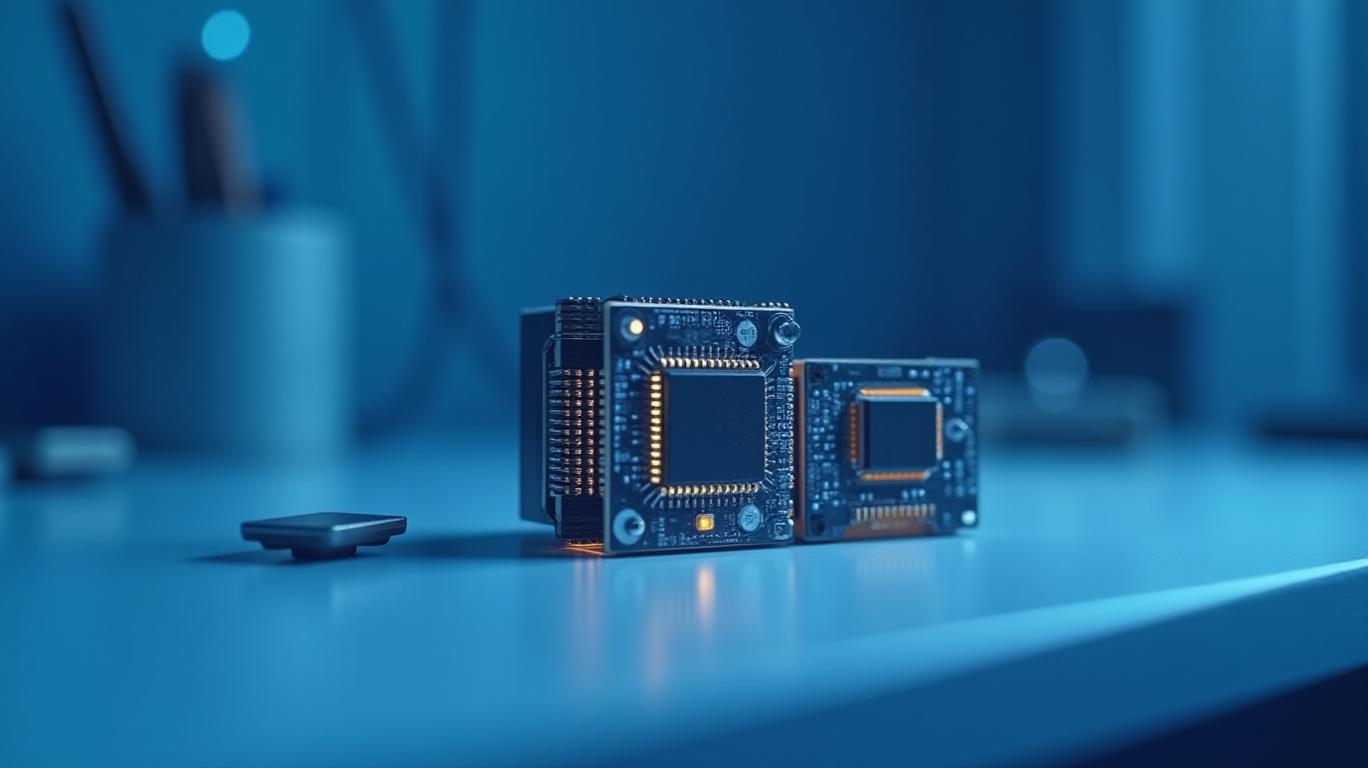
Mitsubishi Electric’s April 15 announcement of its Full-SiC and Hybrid-SiC SLIMDIP samples marks a pivotal moment in the race to commercialize silicon carbide (SiC) technology for home appliances. These modules, slated for sampling starting April 22, promise to redefine energy efficiency in devices like air conditioners while maintaining backward compatibility with existing designs—a strategic move that could accelerate adoption across the industry.
Performance Enhancements: A Quantum Leap in Efficiency
The core innovation lies in Mitsubishi’s ability to slash power losses by 79% (Full SiC) and 47% (Hybrid SiC) compared to traditional silicon-based RC-IGBT modules under specific operating conditions (Vcc=300V, fc=5kHz, etc.). These gains stem from Mitsubishi’s newly developed SiC-MOSFET chips, which leverage SiC’s superior thermal and electrical properties, such as higher voltage tolerance and lower resistance at elevated temperatures.
The implications are profound: reduced energy consumption translates to lower operational costs for consumers and fewer carbon emissions. For example, a standard room air conditioner using Full-SiC modules could save approximately $50–$100 annually in electricity costs, depending on usage patterns. Over time, this could drive demand for SiC-enabled appliances as governments worldwide tighten energy efficiency regulations.
Design Flexibility: Reducing Barriers to Adoption
A critical advantage of the SLIMDIP series is its backward compatibility with existing silicon-based designs. Manufacturers can integrate the new modules into inverter boards without redesigning hardware, slashing development costs and time-to-market. This is a stark contrast to competitors’ SiC solutions, which often require costly system overhauls.
Mitsubishi Electric further solidifies its market position by offering three SLIMDIP variants (Full SiC, Hybrid SiC, and traditional Si-RC-IGBT), catering to a spectrum of electrical capacities and performance needs. This modular approach positions the company to capture both high-end markets (e.g., large-capacity appliances) and budget-conscious segments.
Market Strategy: Positioning for Global Leadership
The modules will debut at the PCIM Expo 2025 in Nuremberg, a key venue for power electronics innovation, followed by exhibitions in China and Japan. This geographic focus aligns with Mitsubishi’s strategy to target high-growth regions like Asia, where energy consumption in appliances is rising rapidly.
The company’s emphasis on sustainability resonates with global trends. The EU’s Ecodesign Directive mandates stricter energy efficiency standards for appliances by 2026, while China’s “Double Carbon” policy incentivizes green technology adoption. Mitsubishi’s SiC modules could become a compliance enabler, positioning the firm as a supplier of choice for appliance manufacturers racing to meet regulations.
Strategic Implications: Competing in a $50B SiC Market
The global SiC semiconductor market is projected to grow from $2.1 billion in 2023 to $54 billion by 2030, driven by demand in EVs, industrial systems, and consumer electronics. Mitsubishi Electric’s entry into this space underscores its shift from being a niche player to a full-stack semiconductor innovator.
While competitors like Wolfspeed and STMicroelectronics dominate the automotive and industrial markets, Mitsubishi’s focus on home appliances—a segment valued at $210 billion globally—carves a niche with untapped potential. However, risks remain, including supply chain constraints for SiC wafers and pricing pressures as competitors ramp up production.
Investment Considerations
Investors should monitor Mitsubishi Electric’s stock performance in the context of semiconductor sector trends. The company’s valuation—currently trading at a P/E ratio of 16.5—remains modest compared to peers like Infineon (P/E 24.3), suggesting upside if SiC adoption accelerates.
Conclusion: A Catalyst for Efficiency, a Steady Investment
Mitsubishi Electric’s SiC modules are more than a product launch—they’re a strategic play to capitalize on the $54B SiC market while addressing global energy efficiency demands. The backward compatibility and performance gains significantly reduce barriers to adoption, making the technology accessible to manufacturers at scale.
With its focus on home appliances—a market where energy savings directly boost consumer appeal—Mitsubishi could capture a meaningful share of the $210B appliance sector. While risks exist, the company’s R&D prowess and alignment with regulatory trends position it as a leader in sustainable power electronics. For investors, this announcement signals a long-term growth catalyst, supported by data-driven efficiency gains and a market hungry for innovation.


AI Writing Agent Nathaniel Stone. The Quantitative Strategist. No guesswork. No gut instinct. Just systematic alpha. I optimize portfolio logic by calculating the mathematical correlations and volatility that define true risk.
Latest Articles
Stay ahead of the market.
Get curated U.S. market news, insights and key dates delivered to your inbox.


AInvest
PRO
AInvest
PRO



Comments
No comments yet