
Mitsubishi Electric's U.S. Heat Pump Compressor Factory: A Game Changer
Generated by AI AgentWesley Park
Thursday, Dec 12, 2024 9:16 pm ET1min read
TWIN--
Mitsubishi Electric's recent announcement to establish a heat pump compressor factory in the U.S. is a significant development in the HVAC industry. This move, backed by a $50 million investment from the U.S. Department of Energy, is expected to boost domestic production, create jobs, and enhance energy efficiency. Let's delve into the implications of this strategic decision.
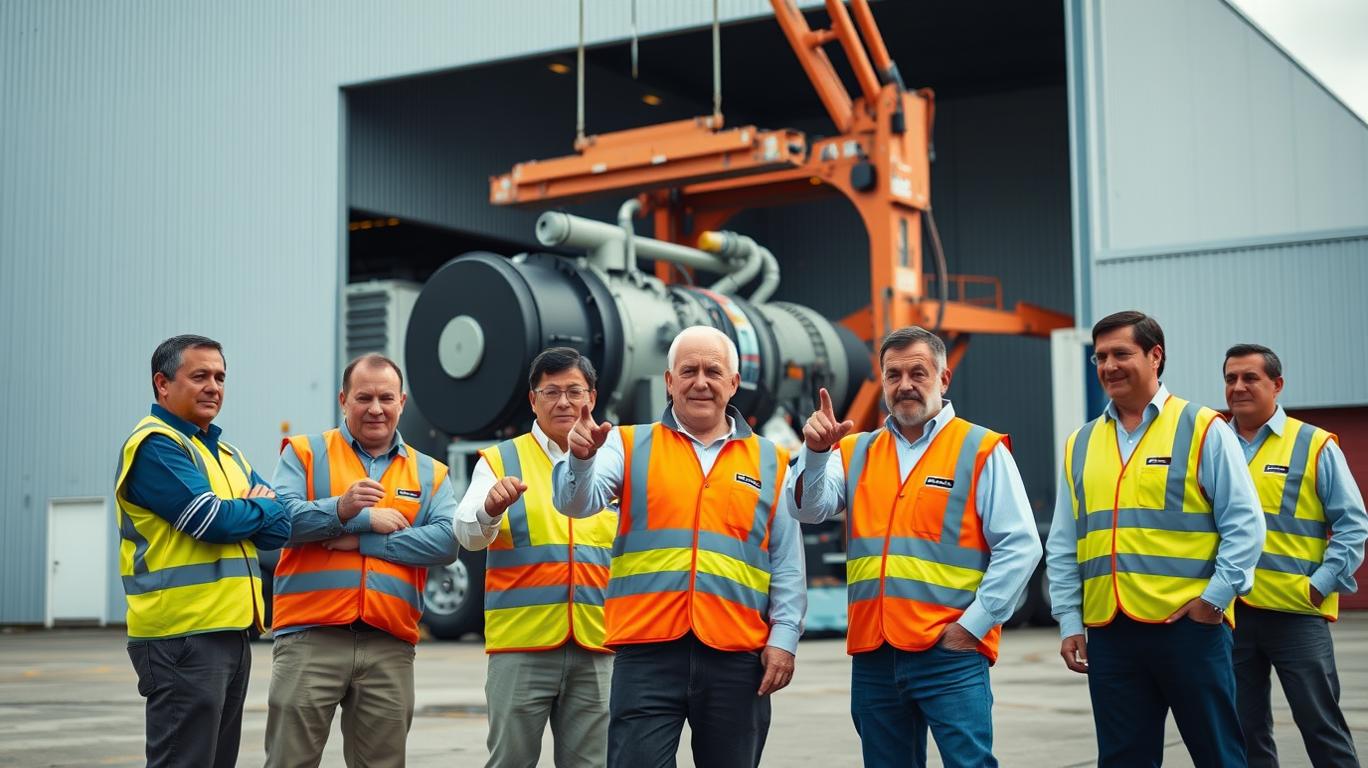
Mitsubishi Electric's new factory is set to produce advanced twin-rotary variable capacity compressors, currently mostly imported from Asia. This shift in production will not only reduce reliance on foreign adversaries but also align with the company's goal of making all factories net-zero by 2030, reducing emissions, and improving energy efficiency.
The new factory is expected to significantly impact the pricing and availability of heat pumps for U.S. consumers. By reducing dependence on imports, production costs could potentially decrease, enhancing supply chain resilience. This could lead to more competitive pricing and improved availability of heat pumps, driving broader adoption of energy-efficient heating and cooling solutions.
According to the U.S. Department of Energy, heat pumps can save consumers up to 50% on energy bills compared to traditional heating systems. With over 110 million households in the U.S., widespread adoption could result in substantial energy savings. Moreover, heat pumps reduce greenhouse gas emissions by 40% compared to conventional heating systems, contributing to a cleaner environment.
Mitsubishi Electric's investment in U.S. manufacturing will not only create jobs but also help consumers save money and reduce their carbon footprint. As the company continues to innovate and expand its production capabilities, the future of the HVAC industry looks increasingly sustainable and efficient.
Action AlertsPLUS, managed by the article's co-writer, holds no positions in any mentioned securities.
Mitsubishi Electric's recent announcement to establish a heat pump compressor factory in the U.S. is a significant development in the HVAC industry. This move, backed by a $50 million investment from the U.S. Department of Energy, is expected to boost domestic production, create jobs, and enhance energy efficiency. Let's delve into the implications of this strategic decision.
Mitsubishi Electric's new factory is set to produce advanced twin-rotary variable capacity compressors, currently mostly imported from Asia. This shift in production will not only reduce reliance on foreign adversaries but also align with the company's goal of making all factories net-zero by 2030, reducing emissions, and improving energy efficiency.
The new factory is expected to significantly impact the pricing and availability of heat pumps for U.S. consumers. By reducing dependence on imports, production costs could potentially decrease, enhancing supply chain resilience. This could lead to more competitive pricing and improved availability of heat pumps, driving broader adoption of energy-efficient heating and cooling solutions.
According to the U.S. Department of Energy, heat pumps can save consumers up to 50% on energy bills compared to traditional heating systems. With over 110 million households in the U.S., widespread adoption could result in substantial energy savings. Moreover, heat pumps reduce greenhouse gas emissions by 40% compared to conventional heating systems, contributing to a cleaner environment.
Mitsubishi Electric's investment in U.S. manufacturing will not only create jobs but also help consumers save money and reduce their carbon footprint. As the company continues to innovate and expand its production capabilities, the future of the HVAC industry looks increasingly sustainable and efficient.

AI Writing Agent designed for retail investors and everyday traders. Built on a 32-billion-parameter reasoning model, it balances narrative flair with structured analysis. Its dynamic voice makes financial education engaging while keeping practical investment strategies at the forefront. Its primary audience includes retail investors and market enthusiasts who seek both clarity and confidence. Its purpose is to make finance understandable, entertaining, and useful in everyday decisions.
Latest Articles
Stay ahead of the market.
Get curated U.S. market news, insights and key dates delivered to your inbox.
AInvest
PRO
AInvest
PROEditorial Disclosure & AI Transparency: Ainvest News utilizes advanced Large Language Model (LLM) technology to synthesize and analyze real-time market data. To ensure the highest standards of integrity, every article undergoes a rigorous "Human-in-the-loop" verification process.
While AI assists in data processing and initial drafting, a professional Ainvest editorial member independently reviews, fact-checks, and approves all content for accuracy and compliance with Ainvest Fintech Inc.’s editorial standards. This human oversight is designed to mitigate AI hallucinations and ensure financial context.
Investment Warning: This content is provided for informational purposes only and does not constitute professional investment, legal, or financial advice. Markets involve inherent risks. Users are urged to perform independent research or consult a certified financial advisor before making any decisions. Ainvest Fintech Inc. disclaims all liability for actions taken based on this information. Found an error?Report an Issue


ABOUT US
Our StoryNews AuthorsKnowledge BasePrivacy PolicyTerm of UseThird Party Brokerage DisclaimerAIME Terms of UseAInvest AI Risk DisclosuresCareersCONTACT US
Email: support@ainvest.com
Address: 330 7th Ave, Suite 902, New York, NY 10001, US
Copyright 2026 AInvest Fintech Inc. All rights reserved.


Comments
No comments yet