
Mississippi Pipeline Proposal Sparks Debate Amid Safety and Environmental Concerns
 Aime Summary
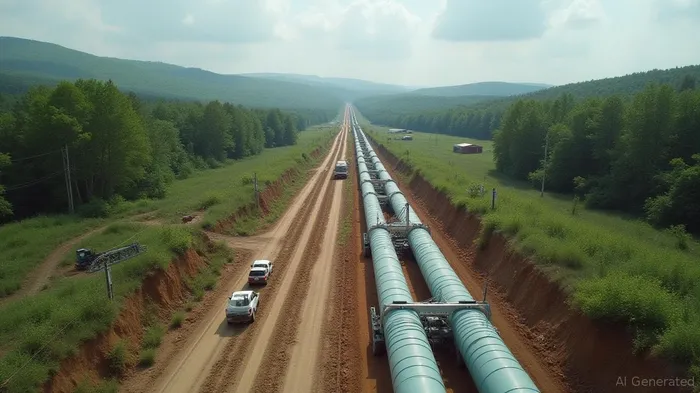
As Mississippi faces rising concerns about energy infrastructure and environmental safety, a significant natural gas pipeline proposal is currently undergoing review. The Mississippi Crossing Project, a $1.7 billion initiative by Kinder Morgan’s Tennessee Gas Pipeline Company, aims to address increasing energy demands by expanding natural gas transportation capabilities. The proposed pipeline would stretch approximately 208 miles from Greenville, Mississippi to Butler, Alabama, traversing over ten counties including Humphreys, Holmes, Attala, Leake, Neshoba, Newton, Lauderdale, and Clarke.
The proposition has sparked both interest and concern among local communities, largely due to recent gas leak incidents that have heightened safety awareness. While these past events are unrelated to the new project, they underline the importance of safety and environmental considerations. This has led to mixed reactions, with some viewing the project as an economic boon and others cautious about the potential risks.
Kinder Morgan asserts that significant planning has gone into the routing of the pipeline, positioning it as the safest and most efficient path forward. Allen Fore, Vice President of Public Affairs for Kinder MorganKMI--, emphasizes the extensive engagement with landowners and local officials to ensure community support and compliance with safety standards. Regular monitoring and inspections are promised, using internal alert systems, aerial, and foot patrols to safeguard operations post-construction.
Community concerns and the potential impact on sensitive ecosystems like wetlands, private properties, and farmlands have prompted several organizations and law firms to encourage public participation in the review process. Singleton Schreiber Law Firm, specializing in environmental justice, advises Mississippi citizens of their right to intervene in the project. They stress that filing a motion to intervene by the August 5th deadline will preserve residents’ rights to formally challenge or engage with developments related to the pipeline, whether in federal court or through administrative hearings.
Public officials like Greenville Mayor Errick Simmons and local residents acknowledge the potential economic benefits, including job creation and increased business opportunities. Still, they echo concerns about the responsibility to protect community interests and natural habitats. Simmons and advocacy groups urge landowners along the proposed route to take active roles by officially intervening, thus ensuring their interests and safety concerns are formally recognized in the process.
Those wishing to engage can submit their motions to the Federal Energy Regulatory Commission (FERC) using docket number CP25-514-000. This formal intervention process is part of broader reviews, including assessments by the U.S. Army Corps of Engineers, U.S. Fish and Wildlife Service, and other state environmental agencies in Mississippi and Alabama. These evaluations will play a crucial role in determining whether the project proceeds as planned, with construction expected to begin in January 2027 if approved.
The Mississippi Crossing Project underscores a larger narrative of balancing energy development with environmental and public safety concerns. As past mishaps and planned expansions unfold, the call for community involvement remains strong, advocating a transparent decision-making process to address both immediate natural gas needs and long-term environmental protection.

Stay ahead of the market.
Get curated U.S. market news, insights and key dates delivered to your inbox.
AInvest
PRO
AInvest
PRO



Comments
No comments yet