
Missile strike on Haifa power plant triggers power outage across central Israel
ByAinvest
Sunday, Jun 15, 2025 9:48 pm ET2min read
Missile strike on Haifa power plant triggers power outage across central Israel
Israel's recent military operations against Iran have had significant implications for both the country's energy infrastructure and its nuclear capabilities. The strikes, which targeted key nuclear facilities and scientists, have raised concerns about Iran's ability to continue its nuclear program and the potential for further escalation.On June 14, Israel launched a series of airstrikes targeting three critical nuclear facilities in Iran: Natanz, Isfahan, and Fordow. According to CNN, the strikes were aimed at eradicating Iran's nuclear program, which Israel has long viewed as a threat [1].
Impact on Nuclear Facilities
The extent of the damage to Iran's nuclear facilities is still being assessed. Initial reports suggest that the strikes were largely successful in damaging key components of the facilities.
- Natanz: The Natanz nuclear facility, located in central Iran, was significantly damaged by the strikes. The above-ground part of the Pilot Fuel Enrichment Plant was destroyed, and the electricity supply to the lower levels where centrifuges are stored was knocked out. This could have a substantial impact on Iran's ability to enrich uranium [1].
- Isfahan: The Isfahan nuclear site, Iran's largest nuclear research complex, also took significant damage. While Iran has claimed that the damage was limited, Israel has stated that the site took substantial damage [1].
- Fordow: The Fordow Fuel Enrichment Plant, located near Qom, was targeted but not significantly damaged. The facility continues to operate, and Iran's ability to enrich uranium to high grades of purity remains a concern [1].
Energy Infrastructure Targeted
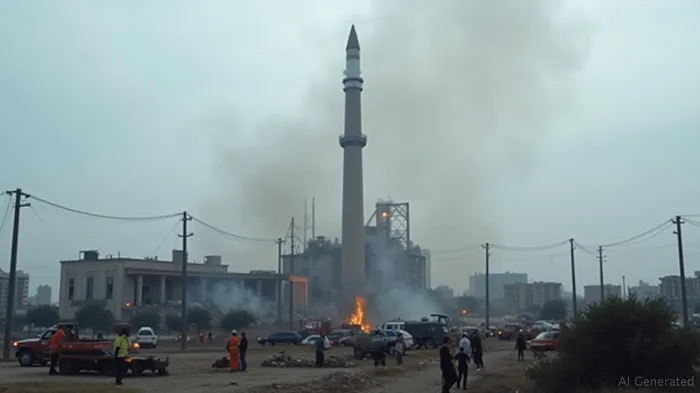
In addition to the nuclear facilities, Israel's strikes also targeted Iran's energy infrastructure. On June 14, a missile strike on the Haifa power plant in Israel triggered a power outage across central Israel. The strike, which was carried out by Israel, resulted in widespread power disruptions and raised concerns about the potential for further escalation [2].
Economic Implications
The strikes have significant economic implications for both Iran and Israel. The damage to Iran's nuclear facilities could disrupt its ability to produce nuclear weapons and potentially lead to further international sanctions. For Israel, the strikes could have long-term economic benefits by reducing the threat posed by Iran's nuclear program.
Conclusion
Israel's recent military operations against Iran have had significant implications for both the country's energy infrastructure and its nuclear capabilities. While the full extent of the damage is still being assessed, the strikes have raised concerns about Iran's ability to continue its nuclear program and the potential for further escalation. The economic implications of the strikes are still being evaluated, but they could have long-term effects on both Iran and Israel.
References
[1] CNN. (2025, June 14). Iran-Israel nuclear facilities damage impact intl. Retrieved from https://www.cnn.com/2025/06/14/middleeast/iran-israel-nuclear-facilities-damage-impact-intl
[2] Long War Journal. (2025, June 14). Iran announces more casualties, intensifies internal crackdown as Israeli operations continue. Retrieved from https://www.longwarjournal.org/archives/2025/06/iran-announces-more-casualties-intensifies-internal-crackdown-as-israeli-operations-continue.php
Stay ahead of the market.
Get curated U.S. market news, insights and key dates delivered to your inbox.


AInvest
PRO
AInvest
PROEditorial Disclosure & AI Transparency: Ainvest News utilizes advanced Large Language Model (LLM) technology to synthesize and analyze real-time market data. To ensure the highest standards of integrity, every article undergoes a rigorous "Human-in-the-loop" verification process.
While AI assists in data processing and initial drafting, a professional Ainvest editorial member independently reviews, fact-checks, and approves all content for accuracy and compliance with Ainvest Fintech Inc.’s editorial standards. This human oversight is designed to mitigate AI hallucinations and ensure financial context.
Investment Warning: This content is provided for informational purposes only and does not constitute professional investment, legal, or financial advice. Markets involve inherent risks. Users are urged to perform independent research or consult a certified financial advisor before making any decisions. Ainvest Fintech Inc. disclaims all liability for actions taken based on this information. Found an error?Report an Issue


ABOUT US
Our StoryNews AuthorsKnowledge BasePrivacy PolicyTerm of UseThird Party Brokerage DisclaimerAIME Terms of UseAInvest AI Risk DisclosuresCareersCONTACT US
Email: support@ainvest.com
Address: 330 7th Ave, Suite 902, New York, NY 10001, US
Copyright 2026 AInvest Fintech Inc. All rights reserved.


Comments
No comments yet