
Minimum Wage Hikes Fuel Consumer Discretionary Tailwinds, but Small-Cap Risks Linger
The July 1, 2025, minimum wage increases in states like Alaska and the District of Columbia are poised to reshape consumer spending dynamics, creating a strategic opportunity for investors in the retail and service sectors. While the rise in hourly pay represents a tailwind for discretionary spending, small-cap businesses face headwinds from rising labor costs. This analysis explores how these macroeconomic shifts could impact equity valuations and provides actionable insights for portfolio allocation.
The Minimum Wage Boost: A Catalyst for Discretionary Spending
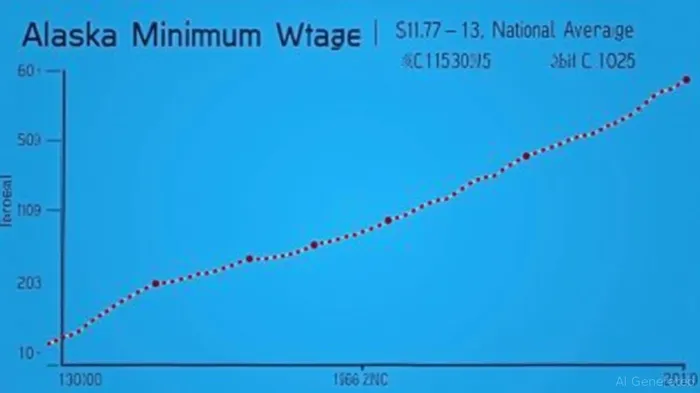
Alaska's minimum wage is rising to $13 per hour from $11.73, marking a 10.9% increase. Combined with similar hikes in Washington, D.C. (to $17.95), and localized adjustments in California and Oregon, these changes will inject $1.2 billion in additional income into households annually across these regions, according to state labor estimates.
Historical data suggests this influx of income will disproportionately benefit lower- and middle-income groups, which have a higher marginal propensity to consume. For instance, in 2023–2024, the lowest 20% of households saw income growth outpace spending growth by 6.3 percentage points, suggesting pent-up demand for discretionary goods and services. With wages now rising faster than inflation in these states, consumer discretionary spending—particularly in apparel, dining, and travel—is likely to accelerate.
Retail Sector Tailwinds: Winners in the New Wage Environment
The retail sector stands to gain from higher consumer purchasing power. Discount retailers (e.g., WalmartWMT--, Target) and casual dining chains (e.g., Darden Restaurants) are positioned to capture incremental spending as households allocate more to non-essential categories.
- Apparel & Accessories: Higher wages could drive demand for mid-range fashion, benefiting retailers like TJX CompaniesTJX-- (TJX) and Ross StoresROST-- (ROST).
- Leisure & Entertainment: Movie theaters, theme parks, and casual dining could see traffic rebound as lower-income households gain financial flexibility.
- Automotive Services: Used car sales and maintenance services may expand as more households enter the discretionary spending bracket.
The Flip Side: Small-Cap Businesses Face Margin Pressures
While large retailers can offset rising labor costs through scale and automation, small-cap businesses—particularly those in labor-intensive industries—are vulnerable.
- Profit Margin Squeeze: Restaurants and retailers with thin margins (e.g., grocery stores operating on 1–3% net profit) may struggle to absorb the 10%+ wage hikes without raising prices or cutting staff.
- Operational Adjustments: Small businesses in Alaska and D.C. may invest in automation (e.g., self-checkout systems, delivery robots) to reduce labor hours, but upfront costs could strain cash flows.
- Regional Disparity: Businesses in non-urban areas like Oregon's “non-urban counties” (where wages are flat) may see relative cost advantages, while those in high-wage cities face steeper challenges.
Investment Strategy: Overweight Discretionary, Underweight Small-Caps
Based on the analysis, investors should:
1. Overweight Consumer Discretionary ETFs: Funds like XLY (Consumer Discretionary Select Sector SPDR Fund) and VCR (Vanguard Consumer Discretionary ETF) offer diversified exposure to companies benefiting from rising disposable income.
2. Underweight Small-Cap Indices: Avoid IWM (iShares Russell 2000 ETF), which holds smaller firms disproportionately affected by margin pressures.
3. Target Sector-Specific Winners: Consider sector leaders like Amazon (AMZN) (for e-commerce resilience) and Chipotle (CMG) (for premium casual dining demand).
Risks to the Thesis
- Inflationary Feedback Loop: If higher wages fuel broader price increases, real purchasing power could erode, dampening spending growth.
- Labor Shortages: Persistent tightness in low-wage labor markets might force companies to raise wages further, compounding costs.
Conclusion
The July 1 minimum wage hikes are a net positive for the consumer discretionary sector, with Alaska's jump standing out as a regional bellwether. While small-cap businesses face near-term challenges, the long-term tailwind of higher consumer spending—backed by historical income trends—supports a strategic overweight in discretionary equities. Investors should monitor wage-driven price changes and corporate margin disclosures to calibrate positions accordingly.
Jeanna Smialek is a financial analyst specializing in macroeconomic trends and equity valuation.

Stay ahead of the market.
Get curated U.S. market news, insights and key dates delivered to your inbox.




Comments
No comments yet