
Millennial Financial Anxiety Despite Rising Wealth: Navigating Uncertainty in a Digitally Driven Era
 Aime Summary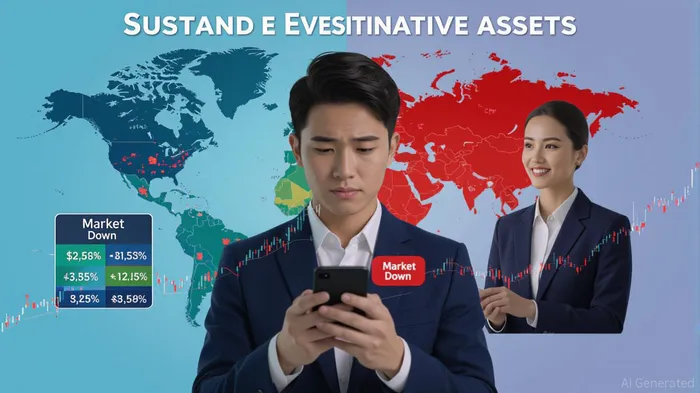
In 2025, millennials—born between 1981 and 1996—find themselves in a paradox. Despite rising net worth and greater access to wealth management tools, financial anxiety remains pervasive. A May 2025 Banktastic survey reveals that only 11% of millennials report "very healthy" financial wellness, while 47% feel "somewhat healthy" and 23% describe their state as "unhealthy." This tension between growing wealth and persistent anxiety is driven by a collision of macroeconomic uncertainty and behavioral finance trends that are reshaping how this generation allocates assets and perceives risk.
Macroeconomic Uncertainty: The Invisible Anchor
The global economic landscape in 2025 is marked by a fragile equilibrium. Inflation, though down from 9% in 2022 to 2.5% in early 2025, remains a shadow due to steep import tariffs and geopolitical tensions. The Federal Reserve, wary of a potential inflation rebound, has maintained a hawkish stance, signaling only 50 basis points of rate cuts in 2025, with further delays into 2026 and 2027. This cautious monetary policy has created a "wait-and-see" environment for investors.
Geopolitical risks, particularly in the Middle East, add another layer of volatility. The U.S. military's potential involvement in the Israel-Iran conflict, coupled with Iran's threats to close the Strait of Hormuz, has driven oil prices upward, exacerbating fears of stagflation. For millennials, who prioritize long-term stability, these uncertainties are reshaping their asset allocation strategies.
Investment Implications:
- Diversification as a Hedge: Millennials are increasingly turning to alternative assets like real estate (notably UK property) and tangible collectibles (whisky, fine art) to protect against inflation. These assets, seen as "productive finance" tools, align with government agendas promoting long-term economic growth.
- Interest Rate Sensitivity: With mortgage rates and bond yields fluctuating, millennials are prioritizing fixed-income instruments with shorter durations to mitigate interest rate risk.
-
Behavioral Finance: The Digital Age's Double-Edged Sword
The rise of social media and digital platforms has transformed how millennials engage with finance. Platforms like RedditRDDT--, TikTok, and Twitter have become both a source of empowerment and a catalyst for anxiety.
Social Herding and Finfluencers:
Online communities like Reddit's r/WallStreetBets continue to influence retail investor behavior. The 2021 GameStopGME-- short squeeze, though a historical event, set a precedent for coordinated, emotionally driven investing. Today, "finfluencers" on TikTok and YouTube—many without formal credentials—shape investment decisions through viral content. This dynamic fosters overconfidence and confirmation bias, as algorithms amplify narratives that align with users' preexisting beliefs.Emotional Contagion and Risk Perception:
During periods of market downturns, fear-based content on social media spreads rapidly. A 2025 study by MX found that 28% of millennials avoid checking their finances due to anxiety, while others rely on AI-driven tools to counteract behavioral biases. For instance, platforms using sentiment analysis prompt users to reconsider selling during market dips by highlighting historical trends.Digital Literacy Gaps:
Despite high engagement with financial tools—50% of millennials track their checking accounts weekly—many lack the analytical skills to interpret data critically. This gap leaves them vulnerable to misinformation, particularly in speculative markets like crypto and meme stocks.
Investment Implications:
- Balancing Digital Engagement: Millennials are advised to use AI-driven portfolio managers for real-time guidance while maintaining a disciplined, long-term strategy.
-
- ESG and Values-Driven Investing: With 63% of millennials investing in sustainable or ethical vehicles, ESG funds and impact investments are gaining traction. These align with both financial goals and cultural identity.
- Fractional Ownership Platforms: Tools like Konvi, which allow investments in niche assets (e.g., Pokémon cards, art), cater to millennials' desire for diversification and tangible value.
The Path Forward: Pragmatism in a Digitally Frenetic World
For millennials, the key to mitigating anxiety lies in strategic adaptability. Here's how to navigate the next phase:
Adopt a Hybrid Approach to Financial Tools:
Combine the accessibility of digital platforms with the expertise of human advisors. Use robo-advisors for routine management but consult professionals for complex decisions like real estate or family office structures.Prioritize Inflation-Protected Assets:
Allocate a portion of portfolios to real assets (e.g., REITs, commodities) and ESG funds, which have historically outperformed during inflationary periods.Leverage Behavioral Insights:
Recognize the influence of social media and finfluencers. Before acting on viral advice, verify sources and assess alignment with long-term goals.Engage with Policy-Driven Opportunities:
Support financial institutions advocating for structural reforms (e.g., affordable housing, student loan relief) that address systemic barriers to wealth-building.
Conclusion
Millennials are navigating a world where financial anxiety coexists with unprecedented access to wealth-building tools. While macroeconomic risks and behavioral biases create headwinds, they also present opportunities for innovation. By embracing diversification, leveraging digital tools responsibly, and aligning investments with personal values, this generation can transform uncertainty into resilience. As the Knight Frank Wealth Report 2025 notes, millennials are not just inheritors of wealth—they are its architects, reshaping finance through adaptability and a commitment to a more inclusive, sustainable future.

Stay ahead of the market.
Get curated U.S. market news, insights and key dates delivered to your inbox.






Comments
No comments yet