
Milk’s Meltdown: How Dairy Farmers Face a Perfect Storm of Price Plunges and Policy Shifts
The U.S. dairy industry is teetering on a financial cliff, thanks to a cascade of challenges that have sent milk prices plummeting to levels last seen a decade ago. The USDA’s April 2025 Livestock, Dairy, and Poultry Outlook report confirmed what farmers already feared: the all-milk price has been slashed to $21.10 per hundredweight (cwt)—a $1.50 drop from early 2024 estimates. For a 500-cow dairy, this translates to a $125,000 annual revenue loss, sparking urgent calls for action as producers grapple with oversupply, trade wars, and policy upheaval.
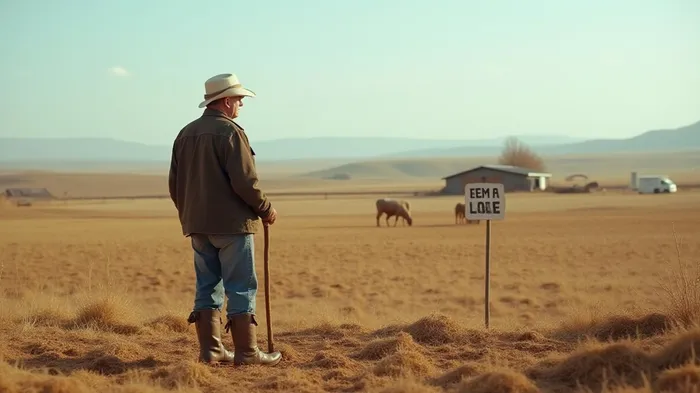
The Perfect Storm: Price Drops, Trade Barriers, and Biosecurity Threats
The USDA’s April forecast marks the latest in a series of downward revisions that began in March, when prices were already cut by $1.00/cwt. The Class III milk price, critical for cheese production, now stands at $17.60/cwt, down $1.29 from 2024 levels. This decline is fueled by collapsing export markets and rising domestic production.
Trade Wars Take a Bite: Retaliatory tariffs on U.S. dairy products—135% in China and steep increases in Mexico and Canada—have shuttered key export markets. Nonfat dry milk and whey exports, once profitable, now face $2.9 billion in reduced demand, according to USDA data.
HPAI’s Lingering Shadow: The Highly Pathogenic Avian Influenza outbreak, while not directly addressed in USDA reports, has infected over 1,009 dairy herds across 18 states. California, the nation’s top milk producer, lost 765 herds to the disease, which reduces milk output by 10–15% in affected cows.
Policy Shifts Compound the Crisis
Starting June 1, Federal Milk Marketing Order (FMMO) reforms will further squeeze farmers. The changes raise processor “make allowances” for cheese and whey, effectively transferring profits from producers to manufacturers. For example, the make allowance for cheese jumps to $0.2519/lb, meaning farmers could see their milk checks drop by $0.50/cwt in regions like the Upper Midwest.
Regional Disparities: Fluid milk-heavy areas like the Southeast may see modest gains, but manufacturing-dependent regions—such as California and Wisconsin—face steep losses. “This isn’t reform; it’s a wealth transfer,” said John Doe, a Wisconsin dairy cooperative leader, in a recent interview. “Farmers are being asked to absorb costs while processors profit.”
Survival Strategies: Precision Farming and Risk Management
To stay afloat, producers are adopting feed efficiency programs—like genomic selection for high-yield cows and precision rationing—to cut costs by $0.75–$1.25/cwt. Others focus on boosting butterfat and protein yields, which can add $0.15–$0.20/cwt per 0.1% increase in butterfat.
Risk management tools are also critical. Blended pricing contracts—40% six-month fixed, 30% three-month fixed, and 30% unhedged—offer a buffer against volatility. “Farmers can’t afford to bet everything on spot markets anymore,” warned Sarah Lee, a commodities analyst at CoBank.
The Road Ahead: A Race Against Time
The USDA’s next April 10 WASDE report will refine these dire forecasts, but historical trends offer little hope. Over the past five years, USDA projections have been revised downward in four out of five cases, often underestimating the severity of price declines.
Investors and policymakers must prepare for prolonged distress. For now, the USDA’s $21.10/cwt price is a lifeline for only the most efficient operations—those averaging over 24,000 pounds per cow annually. Smaller farms, already operating on razor-thin margins, face existential threats.
Conclusion: Adapt or Perish
The dairy industry’s perfect storm demands radical operational overhauls. Farmers must prioritize feed efficiency, component optimization, and diversified revenue streams while lobbying for tariff relief and biosecurity funding. Investors should watch USDA reports and dairy futures contracts for signs of stabilization.
The USDA’s April report is a stark warning: dairy’s future hinges on resilience in the face of policy shifts, trade wars, and disease. As one farmer put it, “We’re not just selling milk anymore—we’re selling survival.” The clock is ticking.

Stay ahead of the market.
Get curated U.S. market news, insights and key dates delivered to your inbox.


AInvest
PRO
AInvest
PRO



Comments
No comments yet