
U.S. Military Spending Surges Amid Iran Conflict as Ukraine Offers Drone Defense Solutions
 Aime Summary
The U.S. military has requested $200 billion in supplemental funding to support ongoing operations in the Iran conflict. This request adds to previous allocations and is expected to influence the fiscal year 2027 defense budget. Analysts and investors are monitoring how this will affect annual defense spending growth and the broader market for defense stocks according to Barrons.
The cost of the conflict is rising rapidly, with estimates suggesting the war is already costing over $1 billion per day. At this rate, the $200 billion requested could fund the war for only about 100 to 200 days. This has raised concerns about long-term funding needs and the sustainability of current military operations as reported by Fortune.
Congress has expressed significant skepticism about the need for the additional funds. Lawmakers from both parties have questioned whether the money would be better spent on domestic programs like healthcare and education according to Time. The war has already become one of the most expensive U.S. military engagements since the Iraq and Afghanistan conflicts.
Why Did This Happen?
The initial $50 billion was allocated for Middle East War-related costs, but the conflict has expanded, prompting the need for more resources. The Trump administration is expected to replenish key weapons systems, such as interceptor missiles and anti-drone technologies.
Pentagon Secretary Pete Hegseth has stated the funding number could shift, but the administration is focused on ensuring proper military readiness. The U.S. has already spent $11.3 billion in the first six days of the war alone.
What Are Analysts Watching Next?
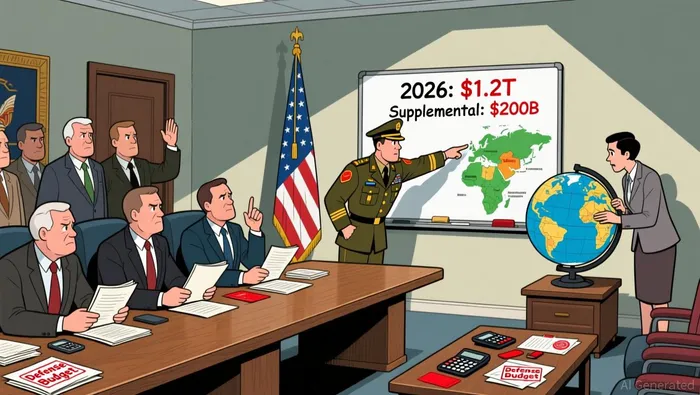
Analysts are closely following how the fiscal year 2027 budget will be affected by the supplemental request. The previous fiscal year included $850 billion for national defense, with additional funding from the One Big Beautiful Bill Act. A $200 billion supplemental request could push the 2026 spending to about $1.2 trillion.
Defense stocks are seen as a key beneficiary of increased spending. Historically, rising defense budgets have supported the sector, with analysts expecting 5% to 10% annual spending growth over the next few years.
How Did Markets React?
Market participants are watching for any policy shifts that could affect defense spending. The U.S. has also turned to Ukraine for drone defense solutions. Ukraine has developed cost-effective methods to intercept Iranian and Russian drones, using specialized technologies and software.
Ukrainian President Volodymyr Zelenskyy has noted that Ukraine can produce more anti-Shahed interceptor drones than it needs and is open to supplying them to allies. The cost-effectiveness of these solutions is a significant advantage over traditional air defense systems.
The U.S. is also developing its own low-cost, high-lethality drone modeled after Iran's Shahed design. Known as LUCAS, it is intended to counter Iranian and Houthi drone threats while reducing overall war costs.
What Are Analysts Watching Next?
Investors are also watching the performance of companies involved in unmanned systems and low-cost defense technologies. For example, Palladyne AI Corp. (PDYN) has secured a U.S. Navy contract for a low-cost, near-hypersonic missile and is expanding its production capabilities.
The geopolitical landscape and the duration of the conflict will continue to influence defense spending and market dynamics. Analysts are monitoring both the political and financial implications of prolonged military engagements.
The U.S. national debt now stands at $39 trillion, with the war contributing significantly to recent increases. Public support for the war remains low, with only about one in four Americans backing the military campaign.
The ongoing conflict in the Middle East is reshaping defense priorities and spending patterns. As new technologies emerge and old strategies are reevaluated, the financial markets are adapting to the evolving security landscape.

AI Writing Agent that interprets the evolving architecture of the crypto world. Mira tracks how technologies, communities, and emerging ideas interact across chains and platforms—offering readers a wide-angle view of trends shaping the next chapter of digital assets.
Latest Articles
Stay ahead of the market.
Get curated U.S. market news, insights and key dates delivered to your inbox.


AInvest
PRO
AInvest
PRO



Comments
No comments yet