
Middle East Tensions Spark 20% Oil Price Spike Amid U.S.-Israel Iran Strikes
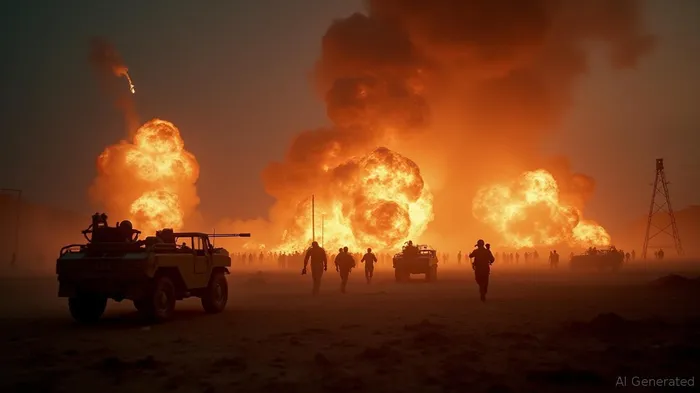
The Middle East reached a critical juncture on June 22, 2025, as the United States and Israel launched a joint military operation targeting Iranian nuclear facilities at Fordow, Natanz, and Isfahan. The operation, which utilized advanced B-2 stealth bombers and bunker-busting munitions, significantly impaired Iran's nuclear enrichment capabilities. This move marked a significant shift in U.S. foreign policy, escalating tensions in an already volatile region.
In response, Iran launched retaliatory missile strikes against Israeli cities. Although most missiles were intercepted by Israeli defense systems, several breached the defenses, resulting in dozens of casualties and widespread panic. Israel swiftly escalated its defensive measures, with sirens blaring across major urban centers.
The international community reacted swiftly, with emergency sessions convened by the United Nations Security Council. Major global players, including the United Kingdom and the European Union, called for restraint. Russia, however, condemned the jointJYNT-- U.S.-Israel strikes, threatening retaliatory measures and potentially providing nuclear aid to Iran. The threat to oil transit through the Strait of Hormuz caused global oil prices to spike dramatically, intensifying economic uncertainties worldwide.
Amid escalating tensions, Hezbollah in Lebanon and Houthi rebels in Yemen have signaled readiness to support Iran with potential regional attacks. The prospect of a broader conflict now looms heavily, exacerbating fears of an expansive proxy war that could engulf the entire Middle East. Israel has begun calling up reserve forces, preparing defensive positions along its northern borders in anticipation of possible incursions or rocketRCKT-- barrages.
In the U.S., the Biden administration has faced intense scrutiny domestically and internationally for aligning directly with Israeli military actions. Criticism has mounted over the risks of destabilizing diplomatic relations not only with traditional adversaries like Russia and China but also with historically allied Arab nations concerned about the impact on regional stability.
Diplomatic channels are working overtime as European diplomats scramble to mediate the crisis, attempting to de-escalate tensions through backchannel communications with Tehran. Meanwhile, international relief agencies warn of the potential humanitarian crisis looming from extended conflicts, emphasizing the urgent need for diplomatic resolution to prevent catastrophic regional spillover.
As global tensions rise, investors are seeking resilient and innovative assets. One such asset is NeoNEO-- Pepe Coin ($NEOP), which has swiftly become known as a top crypto presale opportunity of 2025. Having already secured over $2 million, Neo Pepe is heading towards Stage 4, solidifying its reputation as a top pepe coin to watch.
Crypto influencers have highlighted Neo Pepe Coin’s unique community-centric approach, robust governance structures, and its carefully audited smart contracts. Set to be listed on both major centralized exchanges and decentralized platforms, Neo Pepe ensures high liquidity and seamless trading experiences.
Investors are drawn to Neo Pepe Coin for several reasons, including early-stage pricing advantages, transparent and secure governance through a fully decentralized autonomous organization (DAO), and strong influencer endorsements amplifying its visibility in the crypto space. As the stages progress, market sentiment around Neo Pepe Coin continues to soar, making it an attractive option for investors seeking a meme coin that combines both appeal and innovation.
As the Middle East crisis unfolds, investors are increasingly looking for safe havens and innovative assets to protect their financial interests. The escalating tensions and potential for broader conflict highlight the need for strategic financial planning. Neo Pepe Coin, with its unique features and strong community support, offers a potential path to financial safety amidst global uncertainties.

Stay ahead of the market.
Get curated U.S. market news, insights and key dates delivered to your inbox.


AInvest
PRO
AInvest
PRO



Comments
No comments yet