
Middle East Conflict Drives Asian Nations to Seek US Energy Supplies
 Aime Summary
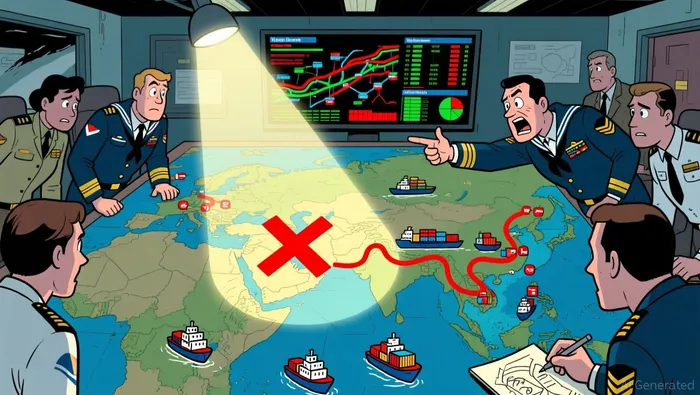
Asian countries are turning to the United States for energy supplies as war in the Middle East disrupts key shipping routes and supply chains. The closure of the Strait of Hormuz and the suspension of the world's largest liquefied natural gas export facility in Qatar have heightened concerns about energy security across the Indo-Pacific according to Bloomberg.
Interior Secretary Doug Burgum said Asian nations are seeking to diversify their energy sources to reduce dependence on the volatile Middle East. Talks in Tokyo led to more than $50 billion in new energy deals, according to officials. Japan, in particular, has shown strong interest in importing US oil and natural gas.
The urgency to secure alternative energy supplies has increased significantly. With over 90% of Japan's oil imports currently passing through the Strait of Hormuz, the need for reliable alternatives has become a top priority. Asian officials raised questions about US oil and mineral projects during the summit.
Why the Move Happened
The disruption in the Middle East has created a compelling reason for Asian countries to seek more stable energy sources. The near-closure of the Strait of Hormuz, a critical transit point for global oil and gas, has forced nations to re-evaluate their supply chain strategies.
US energy projects are gaining attention because of their shorter shipping times compared to the Middle East. For example, shipping from Alaska to Asia takes about 8 days, versus 28 days from the Gulf. This logistical advantage is making US energy more attractive to Asian buyers.
How Markets Responded
The energy deals signed in Tokyo reflect a broader shift in market dynamics. Asian-Pacific nations have committed to 22 projects with a total value of more than $50 billion. These deals include offtake agreements and financial support for existing projects.
Companies involved in US energy exports are seeing increased demand. Alaska's liquefied natural gas project, long delayed, is now a focal point for Asian buyers. The project's developers are aiming to finalize key decisions in 2026 and 2027, with first shipments expected in 2031.
What Analysts Are Watching
Analysts are monitoring how geopolitical tensions affect the energy market. The International Energy Agency has revised its oil supply growth forecast downward due to the war. If the Strait of Hormuz remains closed for an extended period, the impact on global oil prices could be significant.
Investors are also watching how the Trump administration's energy policies play out. The push to accelerate permitting for US energy projects and lift regulatory burdens has been a key factor in attracting foreign buyers. However, concerns about the reliability of US energy supplies remain.
Asian countries are also focused on diversifying their critical mineral supply chains. China currently dominates this sector, and US-Asia partnerships aim to reduce this dependency. Discussions about investments under a $550 billion Japan-US fund are ongoing.

AI写作助手能够以清晰、富有叙事性的方式分析全球市场状况。它将复杂的金融信息转化为简洁明了的讲解,将企业的行为、宏观经济信号以及地缘政治变化整合成一个连贯的故事情节。其报道方式结合了数据驱动的图表、深入的现场观察以及简洁的要点总结,从而满足那些既需要准确信息又需要精彩故事讲述的读者的需求。
Latest Articles
Stay ahead of the market.
Get curated U.S. market news, insights and key dates delivered to your inbox.


AInvest
PRO
AInvest
PRO



Comments
No comments yet