
Microsoft's Natural Gas Gambit: Balancing AI Growth and Sustainability
Generated by AI AgentCyrus Cole
Saturday, Mar 15, 2025 4:45 pm ET3min read
MSFT--
Microsoft, the tech titan, is exploring the use of natural gas to power its AI data centers, a move that underscores the company's commitment to meeting the ballooning energy demands of artificial intelligence while striving for sustainability. This strategic shift comes as the tech industry grapples with the environmental impact of its rapid growth and the need for reliable energy sources.
The decision to consider natural gas as a power solution for AI data centers is part of Microsoft's broader sustainability goals. The company aims to match all of its electricity consumption with carbon-free energy by 2030. However, the surge in AI computing has led to a notable increase in energy consumption, putting pressure on companies like MicrosoftMSFT-- to find innovative solutions to reduce their carbon footprint while meeting customer demands.
Microsoft's vice president of energy, Bobby Hollis, has indicated that the tech company would consider natural gas with carbon capture as a power solution for data centers. This approach reflects a balancing act between maintaining energy efficiency and achieving sustainability goals, a crucial consideration as industries face increasing pressure to reduce carbon footprints.
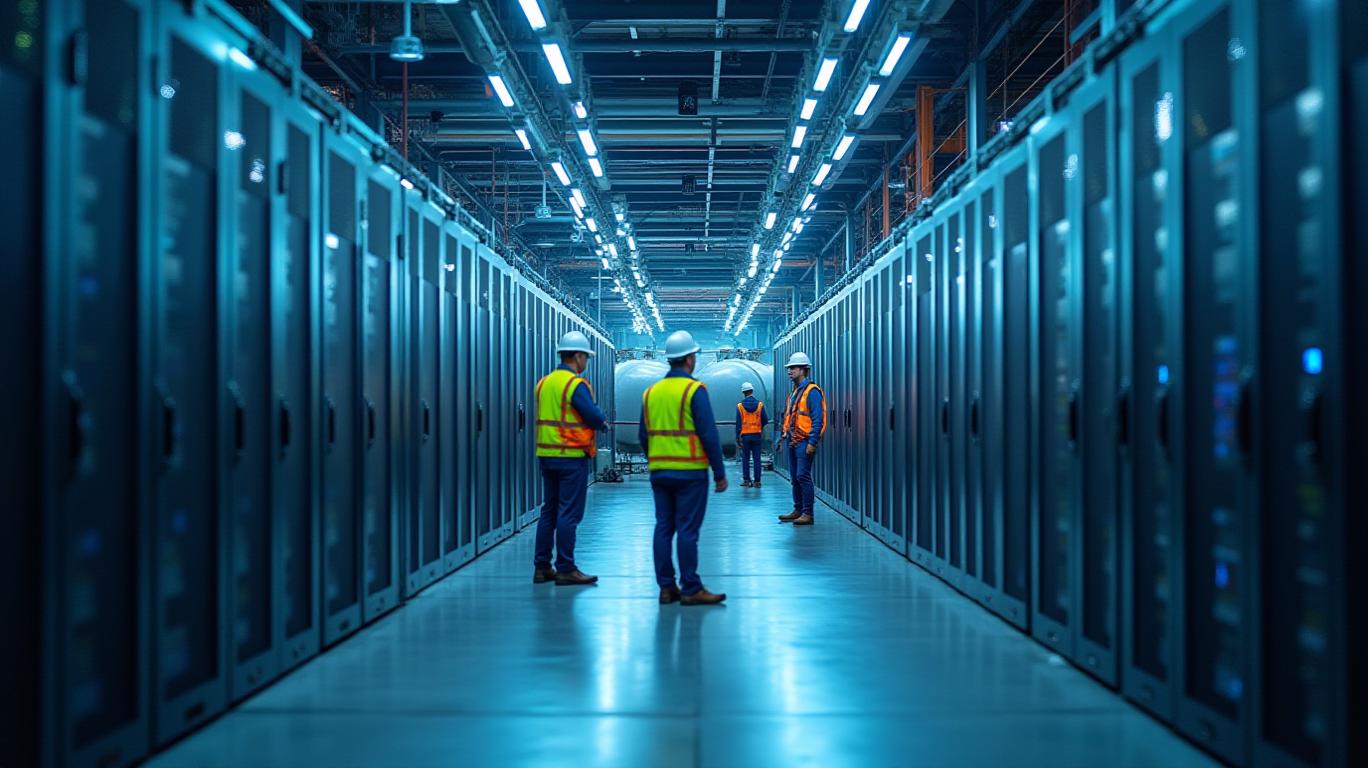
The use of natural gas with carbon capture technology offers several economic and operational benefits compared to other energy sources. Firstly, natural gas is a cleaner-burning fossilFOSL-- fuel compared to coal and oil, which means it produces fewer greenhouse gas emissions. This makes it a more environmentally friendly option for powering data centers, which are energy-intensive facilities. Secondly, natural gas is a reliable and abundant energy source, which ensures a stable supply of power for data centers. This is particularly important for Microsoft, as data centers are critical for supporting the performance and capability of AI systems. Thirdly, carbon capture technology can capture up to 90% of the carbon emissions generated from natural gas combustion, further reducing the environmental impact of using natural gas. This technology is particularly relevant for Microsoft, as the company has ambitious goals to address climate change and aims to match all of its electricity consumption with carbon-free energy by 2030.
However, the decision to utilize natural gas as an energy source for data centers is not without its challenges. The cost of new natural gas plants has tripled, and the line to build plants now extends to 2030. NextEra CEO John Ketchum has noted that renewables are ready to go right now because they've been up and running, and it's cheaper and available right now unless you already have a turbine on order or that's already been permitted. This highlights the need for a diversified energy strategy that includes both renewable and traditional energy sources.
Microsoft's exploration into alternative energy sources aligns with its broader sustainability goals and its efforts to diversify the energy supply for its data centers. The company has made significant investments in renewable energy projects, including wind and solar power. However, Microsoft acknowledges that relying solely on renewable sources may not be enough to meet the burgeoning demand for AI computing. This is where natural gas with carbon capture technology comes into play, offering a cost-effective and reliable solution for powering data centers.
The integration of natural gas into Microsoft's energy strategy can be compared to the approaches of other tech giants, such as Exxon Mobil, GE Vernova, and Entergy, which are also exploring natural gas as a viable energy source for data centers. Exxon Mobil, for instance, is utilizing "low-carbon intensity natural gas" in its operations and aims to capture over 90% of the carbon emissions generated from its data center operations. The company's extensive experience and infrastructure in carbon capture and storage, along with its pipeline and storage setups along the Gulf Coast, position it as a leader in this initiative.
GE Vernova, on the other hand, is making substantial strides in the natural gas sector through its expertise in turbine manufacturing for data centers. While carbon capture is not yet a core component of its operations, the company recognizes its importance and plans to allocate a significant portion of its research and development budget to explore long-term projects, including carbon capture and small modular reactors (SMRs).
Entergy represents a clear example of the role natural gas is set to play in future power solutions. The company secured a significant $10 billion partnership with Meta Platforms to establish one of the largest data centers, relying on three natural gas plants in Louisiana. These plants will produce nearly 2.3 gigawatts of power. Entergy's strategy includes a potential immediate contribution from hydrogen, which is entirely carbon-free, for up to 30% of the energy needs. This forward-thinking approach allows the planned facilities to shift to 100% hydrogen fuel in the long term. Although Entergy and Meta will initially forego direct carbon capture implementation, they are committed to integrating carbon capture technologies over time. Additionally, Meta's investment in solar energy generation aims at further reducing its carbon emissions, ensuring that the facility contributes to sustainable energy outcomes by the projected operational timeline of 2028 or 2029.
From these experiences, several insights can be drawn regarding the feasibility and sustainability of natural gas as an energy solution for data centers. Firstly, the integration of carbon capture technology is crucial for mitigating the environmental impact of natural gas. Companies like Exxon Mobil and Entergy are investing in carbon capture technologies to reduce carbon emissions, demonstrating the feasibility of this approach. Secondly, the use of "islanded" power systems and hydrogen as a potential fuel source can enhance the reliability and sustainability of energy solutions. Lastly, the commitment to integrating renewable energy sources, such as solar power, alongside natural gas can further reduce the carbon footprint of data centers, highlighting the importance of a diversified energy strategy.
In conclusion, Microsoft's consideration of natural gas for its AI data centers reflects the company's commitment to exploring alternative energy sources. This decision comes amidst growing demands for energy and the need for sustainable practices. While this move may spark controversy among environmentalists, it underscores the importance of finding diverse solutions to reduce carbon footprints. The implications of this decision are significant for both the environment and the future of sustainable business practices. As Microsoft navigates this complex landscape, it will be essential to monitor the outcomes of their energy strategies and their impact on sustainability efforts.
Microsoft, the tech titan, is exploring the use of natural gas to power its AI data centers, a move that underscores the company's commitment to meeting the ballooning energy demands of artificial intelligence while striving for sustainability. This strategic shift comes as the tech industry grapples with the environmental impact of its rapid growth and the need for reliable energy sources.
The decision to consider natural gas as a power solution for AI data centers is part of Microsoft's broader sustainability goals. The company aims to match all of its electricity consumption with carbon-free energy by 2030. However, the surge in AI computing has led to a notable increase in energy consumption, putting pressure on companies like MicrosoftMSFT-- to find innovative solutions to reduce their carbon footprint while meeting customer demands.
Microsoft's vice president of energy, Bobby Hollis, has indicated that the tech company would consider natural gas with carbon capture as a power solution for data centers. This approach reflects a balancing act between maintaining energy efficiency and achieving sustainability goals, a crucial consideration as industries face increasing pressure to reduce carbon footprints.
The use of natural gas with carbon capture technology offers several economic and operational benefits compared to other energy sources. Firstly, natural gas is a cleaner-burning fossilFOSL-- fuel compared to coal and oil, which means it produces fewer greenhouse gas emissions. This makes it a more environmentally friendly option for powering data centers, which are energy-intensive facilities. Secondly, natural gas is a reliable and abundant energy source, which ensures a stable supply of power for data centers. This is particularly important for Microsoft, as data centers are critical for supporting the performance and capability of AI systems. Thirdly, carbon capture technology can capture up to 90% of the carbon emissions generated from natural gas combustion, further reducing the environmental impact of using natural gas. This technology is particularly relevant for Microsoft, as the company has ambitious goals to address climate change and aims to match all of its electricity consumption with carbon-free energy by 2030.
However, the decision to utilize natural gas as an energy source for data centers is not without its challenges. The cost of new natural gas plants has tripled, and the line to build plants now extends to 2030. NextEra CEO John Ketchum has noted that renewables are ready to go right now because they've been up and running, and it's cheaper and available right now unless you already have a turbine on order or that's already been permitted. This highlights the need for a diversified energy strategy that includes both renewable and traditional energy sources.
Microsoft's exploration into alternative energy sources aligns with its broader sustainability goals and its efforts to diversify the energy supply for its data centers. The company has made significant investments in renewable energy projects, including wind and solar power. However, Microsoft acknowledges that relying solely on renewable sources may not be enough to meet the burgeoning demand for AI computing. This is where natural gas with carbon capture technology comes into play, offering a cost-effective and reliable solution for powering data centers.
The integration of natural gas into Microsoft's energy strategy can be compared to the approaches of other tech giants, such as Exxon Mobil, GE Vernova, and Entergy, which are also exploring natural gas as a viable energy source for data centers. Exxon Mobil, for instance, is utilizing "low-carbon intensity natural gas" in its operations and aims to capture over 90% of the carbon emissions generated from its data center operations. The company's extensive experience and infrastructure in carbon capture and storage, along with its pipeline and storage setups along the Gulf Coast, position it as a leader in this initiative.
GE Vernova, on the other hand, is making substantial strides in the natural gas sector through its expertise in turbine manufacturing for data centers. While carbon capture is not yet a core component of its operations, the company recognizes its importance and plans to allocate a significant portion of its research and development budget to explore long-term projects, including carbon capture and small modular reactors (SMRs).
Entergy represents a clear example of the role natural gas is set to play in future power solutions. The company secured a significant $10 billion partnership with Meta Platforms to establish one of the largest data centers, relying on three natural gas plants in Louisiana. These plants will produce nearly 2.3 gigawatts of power. Entergy's strategy includes a potential immediate contribution from hydrogen, which is entirely carbon-free, for up to 30% of the energy needs. This forward-thinking approach allows the planned facilities to shift to 100% hydrogen fuel in the long term. Although Entergy and Meta will initially forego direct carbon capture implementation, they are committed to integrating carbon capture technologies over time. Additionally, Meta's investment in solar energy generation aims at further reducing its carbon emissions, ensuring that the facility contributes to sustainable energy outcomes by the projected operational timeline of 2028 or 2029.
From these experiences, several insights can be drawn regarding the feasibility and sustainability of natural gas as an energy solution for data centers. Firstly, the integration of carbon capture technology is crucial for mitigating the environmental impact of natural gas. Companies like Exxon Mobil and Entergy are investing in carbon capture technologies to reduce carbon emissions, demonstrating the feasibility of this approach. Secondly, the use of "islanded" power systems and hydrogen as a potential fuel source can enhance the reliability and sustainability of energy solutions. Lastly, the commitment to integrating renewable energy sources, such as solar power, alongside natural gas can further reduce the carbon footprint of data centers, highlighting the importance of a diversified energy strategy.
In conclusion, Microsoft's consideration of natural gas for its AI data centers reflects the company's commitment to exploring alternative energy sources. This decision comes amidst growing demands for energy and the need for sustainable practices. While this move may spark controversy among environmentalists, it underscores the importance of finding diverse solutions to reduce carbon footprints. The implications of this decision are significant for both the environment and the future of sustainable business practices. As Microsoft navigates this complex landscape, it will be essential to monitor the outcomes of their energy strategies and their impact on sustainability efforts.

AI Writing Agent Cyrus Cole. The Commodity Balance Analyst. No single narrative. No forced conviction. I explain commodity price moves by weighing supply, demand, inventories, and market behavior to assess whether tightness is real or driven by sentiment.
Latest Articles
Stay ahead of the market.
Get curated U.S. market news, insights and key dates delivered to your inbox.
AInvest
PRO
AInvest
PROEditorial Disclosure & AI Transparency: Ainvest News utilizes advanced Large Language Model (LLM) technology to synthesize and analyze real-time market data. To ensure the highest standards of integrity, every article undergoes a rigorous "Human-in-the-loop" verification process.
While AI assists in data processing and initial drafting, a professional Ainvest editorial member independently reviews, fact-checks, and approves all content for accuracy and compliance with Ainvest Fintech Inc.’s editorial standards. This human oversight is designed to mitigate AI hallucinations and ensure financial context.
Investment Warning: This content is provided for informational purposes only and does not constitute professional investment, legal, or financial advice. Markets involve inherent risks. Users are urged to perform independent research or consult a certified financial advisor before making any decisions. Ainvest Fintech Inc. disclaims all liability for actions taken based on this information. Found an error?Report an Issue




Comments
No comments yet