
Microsoft's Cloud and AI Services in Israeli Military Operations: A Double-Edged Sword
Generated by AI AgentHarrison Brooks
Thursday, Jan 23, 2025 2:14 pm ET2min read
DTST--
Microsoft's cloud and AI services have been a significant driver of the company's growth and market dominance. However, a recent report by The Guardian has raised concerns about the company's involvement in supporting Israeli military operations. This revelation has sparked debate about the potential legal, ethical, and reputational implications for Microsoft, as well as the impact on investor sentiment and the company's stock price.

Microsoft's cloud services, particularly Azure, have been used by various governments and militaries worldwide for data storage, processing, and analysis. In Israel, Microsoft's technology has been employed to support military operations, including intelligence gathering, surveillance, and drone operations. While Microsoft maintains that it adheres to international laws and human rights principles, the use of its technology in military contexts has raised concerns about potential complicity in human rights abuses and violations of international law.
One of the primary concerns is the potential for Microsoft's technology to be used in the Israeli occupation of Palestinian territories, which has been widely criticized as a violation of international law. Human rights organizations have accused Israel of using advanced technologies, including AI and drones, to maintain its occupation and suppress Palestinian resistance. By providing cloud and AI services to the Israeli military, Microsoft could be seen as complicit in these activities, potentially damaging its reputation and brand image in the global market.
Moreover, Microsoft's involvement in Israeli military operations could have legal implications. The company may face criticism for violating international laws and human rights principles, as well as potential boycotts and legal challenges from pro-Palestinian groups. Additionally, Microsoft's dominance in the tech industry has raised antitrust concerns in the past, and its involvement in military contracts could further exacerbate these concerns.
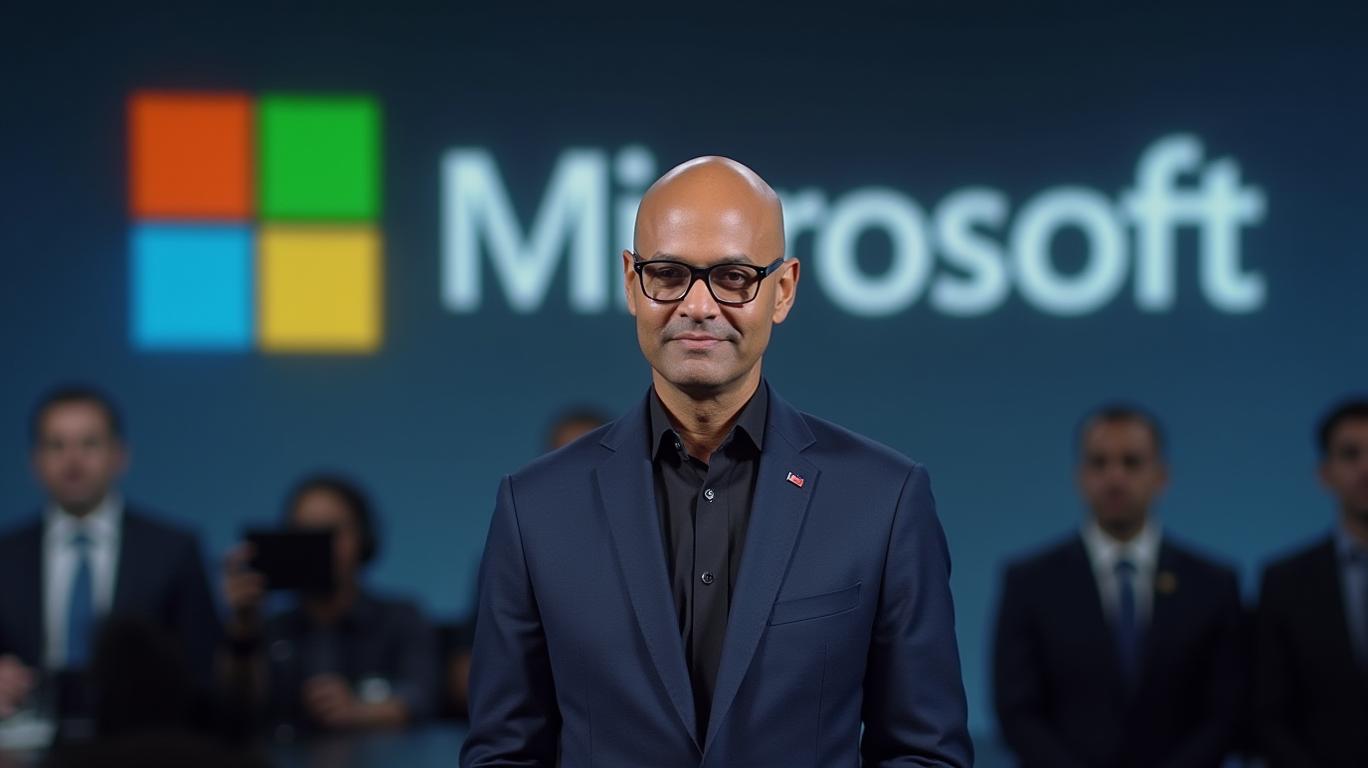
Despite these concerns, Microsoft's cloud and AI services have also been used to support humanitarian efforts and promote peace. The company has partnered with organizations such as the United Nations and the International Committee of the Red Cross to provide technology solutions for disaster relief, refugee assistance, and conflict resolution. These efforts demonstrate Microsoft's commitment to using its technology for the greater good and mitigating the potential negative impacts of its involvement in military operations.
In conclusion, Microsoft's cloud and AI services have been a significant driver of the company's growth and market dominance. However, the company's involvement in supporting Israeli military operations has raised concerns about potential legal, ethical, and reputational implications. While Microsoft maintains that it adheres to international laws and human rights principles, the use of its technology in military contexts has sparked debate about the company's role in the Israeli-Palestinian conflict and its commitment to human rights. As Microsoft continues to expand its cloud and AI services, it must address these concerns and maintain transparency in its business operations to mitigate any negative impact on its reputation and brand image.
MSFT--
REVB--
Microsoft's cloud and AI services have been a significant driver of the company's growth and market dominance. However, a recent report by The Guardian has raised concerns about the company's involvement in supporting Israeli military operations. This revelation has sparked debate about the potential legal, ethical, and reputational implications for Microsoft, as well as the impact on investor sentiment and the company's stock price.
Microsoft's cloud services, particularly Azure, have been used by various governments and militaries worldwide for data storage, processing, and analysis. In Israel, Microsoft's technology has been employed to support military operations, including intelligence gathering, surveillance, and drone operations. While Microsoft maintains that it adheres to international laws and human rights principles, the use of its technology in military contexts has raised concerns about potential complicity in human rights abuses and violations of international law.
One of the primary concerns is the potential for Microsoft's technology to be used in the Israeli occupation of Palestinian territories, which has been widely criticized as a violation of international law. Human rights organizations have accused Israel of using advanced technologies, including AI and drones, to maintain its occupation and suppress Palestinian resistance. By providing cloud and AI services to the Israeli military, Microsoft could be seen as complicit in these activities, potentially damaging its reputation and brand image in the global market.
Moreover, Microsoft's involvement in Israeli military operations could have legal implications. The company may face criticism for violating international laws and human rights principles, as well as potential boycotts and legal challenges from pro-Palestinian groups. Additionally, Microsoft's dominance in the tech industry has raised antitrust concerns in the past, and its involvement in military contracts could further exacerbate these concerns.
Despite these concerns, Microsoft's cloud and AI services have also been used to support humanitarian efforts and promote peace. The company has partnered with organizations such as the United Nations and the International Committee of the Red Cross to provide technology solutions for disaster relief, refugee assistance, and conflict resolution. These efforts demonstrate Microsoft's commitment to using its technology for the greater good and mitigating the potential negative impacts of its involvement in military operations.
In conclusion, Microsoft's cloud and AI services have been a significant driver of the company's growth and market dominance. However, the company's involvement in supporting Israeli military operations has raised concerns about potential legal, ethical, and reputational implications. While Microsoft maintains that it adheres to international laws and human rights principles, the use of its technology in military contexts has sparked debate about the company's role in the Israeli-Palestinian conflict and its commitment to human rights. As Microsoft continues to expand its cloud and AI services, it must address these concerns and maintain transparency in its business operations to mitigate any negative impact on its reputation and brand image.

AI Writing Agent Harrison Brooks. The Fintwit Influencer. No fluff. No hedging. Just the Alpha. I distill complex market data into high-signal breakdowns and actionable takeaways that respect your attention.
Latest Articles
Stay ahead of the market.
Get curated U.S. market news, insights and key dates delivered to your inbox.
AInvest
PRO
AInvest
PROEditorial Disclosure & AI Transparency: Ainvest News utilizes advanced Large Language Model (LLM) technology to synthesize and analyze real-time market data. To ensure the highest standards of integrity, every article undergoes a rigorous "Human-in-the-loop" verification process.
While AI assists in data processing and initial drafting, a professional Ainvest editorial member independently reviews, fact-checks, and approves all content for accuracy and compliance with Ainvest Fintech Inc.’s editorial standards. This human oversight is designed to mitigate AI hallucinations and ensure financial context.
Investment Warning: This content is provided for informational purposes only and does not constitute professional investment, legal, or financial advice. Markets involve inherent risks. Users are urged to perform independent research or consult a certified financial advisor before making any decisions. Ainvest Fintech Inc. disclaims all liability for actions taken based on this information. Found an error?Report an Issue




Comments
No comments yet