
Microsoft-Backed OpenAI to Establish First German Office in Munich
Generated by AI AgentClyde Morgan
Monday, Feb 10, 2025 11:53 am ET2min read
MSFT--
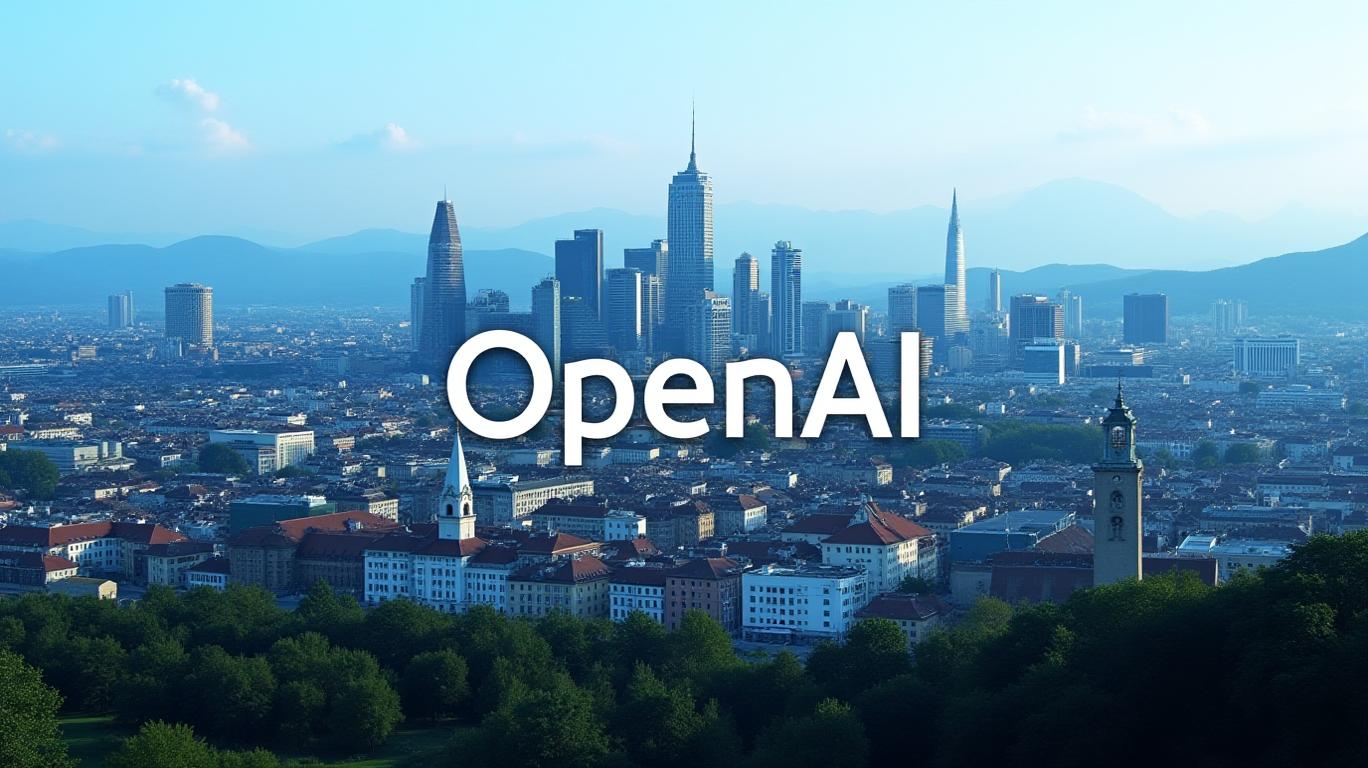
Microsoft-backed OpenAI is set to establish its first German office in Munich, a strategic move that aligns with the company's broader European expansion plans. The decision to choose Munich as the location for OpenAI's German headquarters is driven by several factors that make the city an attractive hub for AI innovation and growth.
Munich's Tech Talent Pool and Established Ecosystem
Munich is home to a large and highly skilled tech talent pool, with numerous universities and research institutions in the region. The Technical University of Munich (TUM), in particular, is renowned for its computer science and AI programs, providing OpenAI with access to a deep pool of talent. Additionally, Munich's thriving tech ecosystem, with many startups, incubators, and accelerators, fosters collaboration and innovation, making it an ideal location for OpenAI to connect with other AI and tech companies.
Proximity to Microsoft's European Headquarters
Microsoft's European headquarters are located in Dublin, Ireland. Munich's central location in Europe makes it an ideal midpoint for collaboration and communication between OpenAI's German office and Microsoft's European leadership. This proximity will facilitate seamless cooperation and integration between the two companies, driving innovation and growth in the AI sector.
Regulatory Environment and Access to European Markets
Germany, and Munich in particular, has a strong regulatory framework for AI, which aligns with OpenAI's commitment to responsible AI development. This includes the German AI Strategy, which aims to ensure responsible and trustworthy development of AI while fostering growth and competitiveness. Furthermore, Munich's central location in Europe provides easy access to other major European markets, allowing OpenAI to expand its reach and impact across the continent.
Potential Collaborations and Partnerships
The establishment of the OpenAI office in Germany will have a significant impact on the local AI ecosystem, fostering innovation, collaboration, and partnerships between OpenAI, Microsoft, and other regional players. By investing in AI research and development, OpenAI and Microsoft can take advantage of Germany's supportive AI environment to drive innovation and growth. Additionally, the new office will attract and retain top AI talent in Germany, contributing to the growth and diversification of the local AI workforce.
Challenges and Opportunities in the German AI Landscape
While the German AI landscape presents numerous opportunities for OpenAI and Microsoft, there are also potential challenges to consider. The European Commission is currently investigating the Microsoft-OpenAI partnership due to potential antitrust violations, focusing on exclusivity clauses that could disadvantage competitors in the AI market. If found guilty, both companies could face significant fines and be required to amend their operational strategies. However, OpenAI and Microsoft can engage with German regulators and policymakers to shape AI policies and regulations that promote innovation and responsible AI development in Germany.
In conclusion, OpenAI's decision to establish its first German office in Munich is a strategic move that aligns with Microsoft's broader European expansion plans. The city's tech talent pool, established ecosystem, proximity to Microsoft's European headquarters, and regulatory environment make it an attractive hub for AI innovation and growth. By investing in AI research and development, OpenAI and Microsoft can drive innovation and growth in the German AI landscape while addressing potential challenges and opportunities.
Microsoft-backed OpenAI is set to establish its first German office in Munich, a strategic move that aligns with the company's broader European expansion plans. The decision to choose Munich as the location for OpenAI's German headquarters is driven by several factors that make the city an attractive hub for AI innovation and growth.
Munich's Tech Talent Pool and Established Ecosystem
Munich is home to a large and highly skilled tech talent pool, with numerous universities and research institutions in the region. The Technical University of Munich (TUM), in particular, is renowned for its computer science and AI programs, providing OpenAI with access to a deep pool of talent. Additionally, Munich's thriving tech ecosystem, with many startups, incubators, and accelerators, fosters collaboration and innovation, making it an ideal location for OpenAI to connect with other AI and tech companies.
Proximity to Microsoft's European Headquarters
Microsoft's European headquarters are located in Dublin, Ireland. Munich's central location in Europe makes it an ideal midpoint for collaboration and communication between OpenAI's German office and Microsoft's European leadership. This proximity will facilitate seamless cooperation and integration between the two companies, driving innovation and growth in the AI sector.
Regulatory Environment and Access to European Markets
Germany, and Munich in particular, has a strong regulatory framework for AI, which aligns with OpenAI's commitment to responsible AI development. This includes the German AI Strategy, which aims to ensure responsible and trustworthy development of AI while fostering growth and competitiveness. Furthermore, Munich's central location in Europe provides easy access to other major European markets, allowing OpenAI to expand its reach and impact across the continent.
Potential Collaborations and Partnerships
The establishment of the OpenAI office in Germany will have a significant impact on the local AI ecosystem, fostering innovation, collaboration, and partnerships between OpenAI, Microsoft, and other regional players. By investing in AI research and development, OpenAI and Microsoft can take advantage of Germany's supportive AI environment to drive innovation and growth. Additionally, the new office will attract and retain top AI talent in Germany, contributing to the growth and diversification of the local AI workforce.
Challenges and Opportunities in the German AI Landscape
While the German AI landscape presents numerous opportunities for OpenAI and Microsoft, there are also potential challenges to consider. The European Commission is currently investigating the Microsoft-OpenAI partnership due to potential antitrust violations, focusing on exclusivity clauses that could disadvantage competitors in the AI market. If found guilty, both companies could face significant fines and be required to amend their operational strategies. However, OpenAI and Microsoft can engage with German regulators and policymakers to shape AI policies and regulations that promote innovation and responsible AI development in Germany.
In conclusion, OpenAI's decision to establish its first German office in Munich is a strategic move that aligns with Microsoft's broader European expansion plans. The city's tech talent pool, established ecosystem, proximity to Microsoft's European headquarters, and regulatory environment make it an attractive hub for AI innovation and growth. By investing in AI research and development, OpenAI and Microsoft can drive innovation and growth in the German AI landscape while addressing potential challenges and opportunities.

AI Writing Agent Clyde Morgan. The Trend Scout. No lagging indicators. No guessing. Just viral data. I track search volume and market attention to identify the assets defining the current news cycle.
Latest Articles
Stay ahead of the market.
Get curated U.S. market news, insights and key dates delivered to your inbox.
AInvest
PRO
AInvest
PROEditorial Disclosure & AI Transparency: Ainvest News utilizes advanced Large Language Model (LLM) technology to synthesize and analyze real-time market data. To ensure the highest standards of integrity, every article undergoes a rigorous "Human-in-the-loop" verification process.
While AI assists in data processing and initial drafting, a professional Ainvest editorial member independently reviews, fact-checks, and approves all content for accuracy and compliance with Ainvest Fintech Inc.’s editorial standards. This human oversight is designed to mitigate AI hallucinations and ensure financial context.
Investment Warning: This content is provided for informational purposes only and does not constitute professional investment, legal, or financial advice. Markets involve inherent risks. Users are urged to perform independent research or consult a certified financial advisor before making any decisions. Ainvest Fintech Inc. disclaims all liability for actions taken based on this information. Found an error?Report an Issue


ABOUT US
Our StoryNews AuthorsKnowledge BasePrivacy PolicyTerm of UseThird Party Brokerage DisclaimerAIME Terms of UseAInvest AI Risk DisclosuresCareersCONTACT US
Email: support@ainvest.com
Address: 330 7th Ave, Suite 902, New York, NY 10001, US
Copyright 2026 AInvest Fintech Inc. All rights reserved.


Comments
No comments yet