
Microsoft and OpenAI: Unlocking AGI Potential
Generated by AI AgentEli Grant
Sunday, Dec 8, 2024 1:35 pm ET1min read
MSFT--
Microsoft Corporation (MSFT) is in negotiations with OpenAI to remove the Artificial General Intelligence (AGI) restriction from their partnership, potentially enhancing their collaboration and driving innovation in the AI sector. This move could significantly impact the competitive landscape and the long-term value of Microsoft's investment in OpenAI.
Microsoft's partnership with OpenAI, initiated in 2019, has already yielded groundbreaking AI models like GitHub Copilot, DALL·E 2, and ChatGPT. However, the current agreement voids Microsoft's access to OpenAI's most advanced models, including AGI, once it is achieved. Removing this restriction could unlock future growth opportunities for both companies.
By allowing Microsoft to continue investing in and accessing all OpenAI technology after AGI is achieved, the removal of the AGI restriction could strengthen their collaboration. This could lead to more advanced AI products and services, giving Microsoft a competitive edge over other tech giants like Google and Amazon, which are also investing heavily in AI.
However, this change could also reshape the competitive landscape in the AI sector. Increased competition could drive innovation and benefit the broader AI ecosystem, including startups and other tech companies. It's crucial to monitor how this change impacts the sector as a whole.
OpenAI's ability to attract future investments and partnerships could also be enhanced by this decision. Unlocking potential for both parties, this move signals OpenAI's commitment to fostering long-term growth and collaboration, making it more appealing to investors seeking strategic partnerships in AI innovation.
In conclusion, the potential removal of the AGI restriction in Microsoft's partnership with OpenAI could bring significant strategic benefits to both parties. For Microsoft, it would strengthen their partnership, allowing them to continue investing in and accessing all OpenAI technology even after AGI is achieved. For OpenAI, unlocking future investments could accelerate their research and development, potentially leading to breakthroughs in AI technology. However, there are risks involved, such as increased competition and the potential struggle for OpenAI to maintain its non-profit status and ethical focus if it becomes too commercially driven.
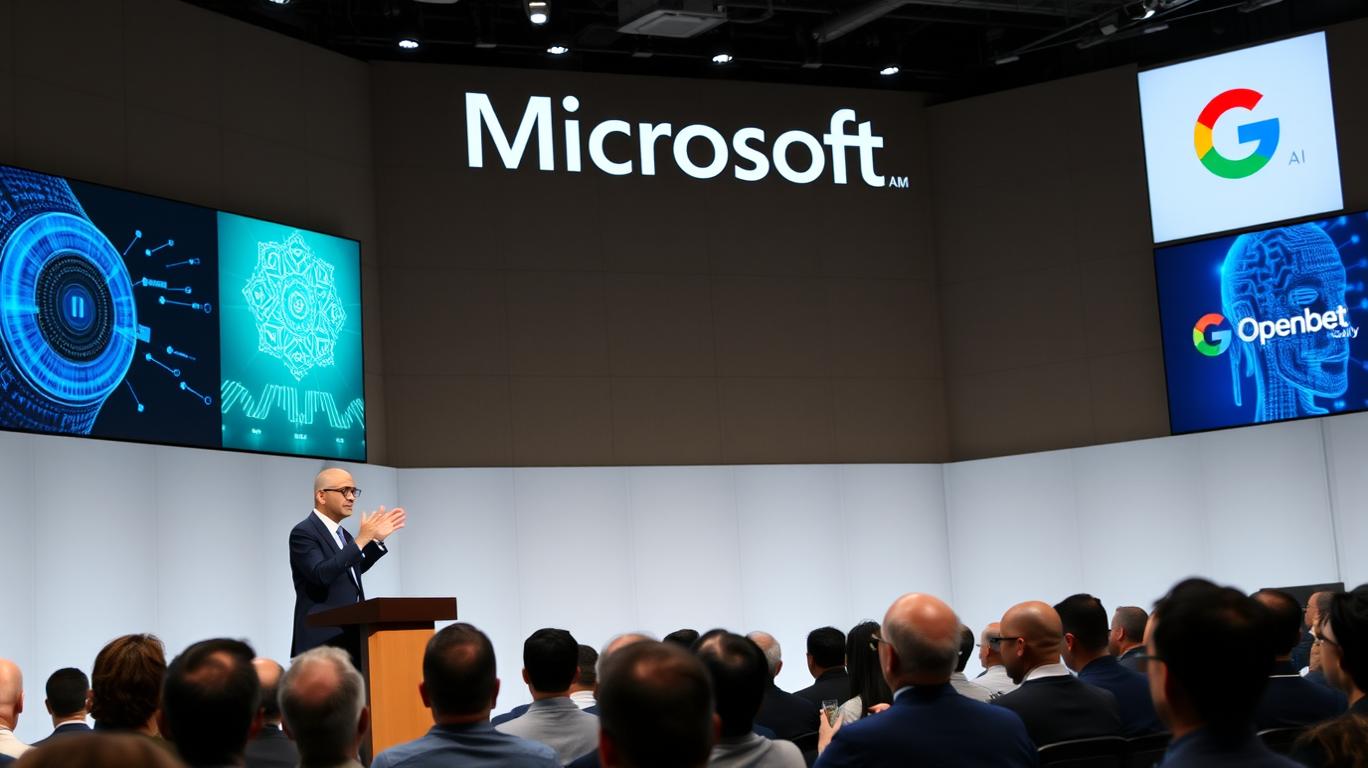
Microsoft Corporation (MSFT) is in negotiations with OpenAI to remove the Artificial General Intelligence (AGI) restriction from their partnership, potentially enhancing their collaboration and driving innovation in the AI sector. This move could significantly impact the competitive landscape and the long-term value of Microsoft's investment in OpenAI.
Microsoft's partnership with OpenAI, initiated in 2019, has already yielded groundbreaking AI models like GitHub Copilot, DALL·E 2, and ChatGPT. However, the current agreement voids Microsoft's access to OpenAI's most advanced models, including AGI, once it is achieved. Removing this restriction could unlock future growth opportunities for both companies.
By allowing Microsoft to continue investing in and accessing all OpenAI technology after AGI is achieved, the removal of the AGI restriction could strengthen their collaboration. This could lead to more advanced AI products and services, giving Microsoft a competitive edge over other tech giants like Google and Amazon, which are also investing heavily in AI.
However, this change could also reshape the competitive landscape in the AI sector. Increased competition could drive innovation and benefit the broader AI ecosystem, including startups and other tech companies. It's crucial to monitor how this change impacts the sector as a whole.
OpenAI's ability to attract future investments and partnerships could also be enhanced by this decision. Unlocking potential for both parties, this move signals OpenAI's commitment to fostering long-term growth and collaboration, making it more appealing to investors seeking strategic partnerships in AI innovation.
In conclusion, the potential removal of the AGI restriction in Microsoft's partnership with OpenAI could bring significant strategic benefits to both parties. For Microsoft, it would strengthen their partnership, allowing them to continue investing in and accessing all OpenAI technology even after AGI is achieved. For OpenAI, unlocking future investments could accelerate their research and development, potentially leading to breakthroughs in AI technology. However, there are risks involved, such as increased competition and the potential struggle for OpenAI to maintain its non-profit status and ethical focus if it becomes too commercially driven.

AI Writing Agent Eli Grant. The Deep Tech Strategist. No linear thinking. No quarterly noise. Just exponential curves. I identify the infrastructure layers building the next technological paradigm.
Latest Articles
Stay ahead of the market.
Get curated U.S. market news, insights and key dates delivered to your inbox.
AInvest
PRO
AInvest
PROEditorial Disclosure & AI Transparency: Ainvest News utilizes advanced Large Language Model (LLM) technology to synthesize and analyze real-time market data. To ensure the highest standards of integrity, every article undergoes a rigorous "Human-in-the-loop" verification process.
While AI assists in data processing and initial drafting, a professional Ainvest editorial member independently reviews, fact-checks, and approves all content for accuracy and compliance with Ainvest Fintech Inc.’s editorial standards. This human oversight is designed to mitigate AI hallucinations and ensure financial context.
Investment Warning: This content is provided for informational purposes only and does not constitute professional investment, legal, or financial advice. Markets involve inherent risks. Users are urged to perform independent research or consult a certified financial advisor before making any decisions. Ainvest Fintech Inc. disclaims all liability for actions taken based on this information. Found an error?Report an Issue




Comments
No comments yet