
Microsoft's 10% Stock Correction Amid Data Breach and Protests: Assessing Risk and Resilience in Tech Megacap Valuations


 Aime Summary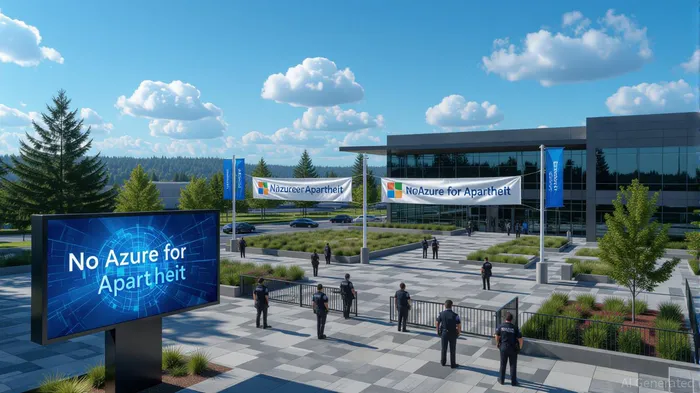
In the volatile landscape of tech megacap valuations, Microsoft's recent 10% stock correction has sparked intense debate. The decline, triggered by a critical SharePoint data breach and employee-led protests over Azure's alleged ties to Israel, underscores the fragility of even the most dominant tech stocks. For investors, the question is no longer whether MicrosoftMSFT-- can grow but whether its current valuation accounts for the risks of geopolitical entanglements, cybersecurity vulnerabilities, and internal dissent.
The Dual Shocks: Breach and Protests
1. The SharePoint Zero-Day Exploit
In July 2025, Microsoft disclosed a severe breach of its on-premises SharePoint platform, exploited by Chinese state-affiliated groups like Storm-2603. Vulnerabilities CVE-2025-49706 and CVE-2025-49704 allowed attackers to deploy Warlock ransomware, steal credentials, and execute remote code. While Microsoft patched the flaws swiftly, the incident exposed gaps in its enterprise security infrastructure. The breach's impact on market sentiment was immediate: shares fell 10% in July, mirroring broader S&P 500 volatility but amplifying concerns about Microsoft's ability to protect its sprawling ecosystem.
2. Ethical Protests and Internal Activism
Simultaneously, Microsoft faced internal unrest as employees of the “No Azure for Apartheid” group staged protests at its Redmond campus, accusing the company of enabling Israeli military operations via Azure. The protests, which included office occupations and arrests, highlighted growing ethical scrutiny of tech firms' geopolitical partnerships. On August 19, 2025, Microsoft's stock dropped 1.42% amid heightened media attention, reflecting investor unease over reputational risks and potential operational disruptions.
Fundamentals vs. Short-Term Risks
Despite these challenges, Microsoft's core fundamentals remain robust. Azure's annual revenue hit $75 billion in Q2 2025, outpacing Wall Street forecasts. The company's operating cash flow grew 15% year-over-year, and its 16.11% return on equity (ROE) outperforms peers. Institutional investors, including Thrivent Financial and Cim Investment Management, have increased holdings by 14.4% and 101.8%, respectively, signaling confidence in long-term growth.
However, the breach and protests have introduced new risks:
- Cybersecurity Reputational Damage: The SharePoint incident could erode trust in Microsoft's enterprise security solutions, particularly as competitors like AWS and GoogleGOOGL-- Cloud tout their own security frameworks.
- Ethical Scrutiny: The Azure controversy mirrors broader debates about tech's role in global conflicts, with governments and corporations increasingly prioritizing ethical sourcing of cloud services.
- Operational Disruptions: Internal protests, while not yet affecting Azure's operations, could escalate into labor disputes or regulatory investigations.
Market Resilience and Institutional Sentiment
Historically, Microsoft's stock has shown resilience after major shocks. For example, a 2.5% gap-down on October 13, 2022, was followed by a 6.5% rebound. Post-August 19, 2025, the stock's volatility—swinging between $502 and $515—suggests a mixed institutional outlook. While firms like Cim Investment Management Inc. added 101.8% to their holdings, others, including Claris Financial LLC, cut positions by 25.7%. This divergence reflects uncertainty about Microsoft's ability to navigate its current challenges.
Long-Term Growth Prospects
Microsoft's dominance in cloud and AI remains a key tailwind. Azure's expansion into AI-driven infrastructure, coupled with strategic partnerships like Rivian-Volkswagen's software-defined vehicle project, positions the company to benefit from the AI boom. Analysts project earnings of $17.93 per share for FY2026, a 16.8% increase from FY2025.
Yet, the company's premium valuation (Zacks Value Style Score: D) raises questions. With a price-to-earnings (P/E) ratio of 35x, Microsoft trades at a 20% premium to the S&P 500. Investors must weigh this against the risks of cybersecurity lapses and ethical controversies, which could delay or dilute long-term gains.
Actionable Insights for Investors
- Diversify Exposure: While Microsoft remains a cornerstone of the tech sector, investors should diversify across cloud providers (e.g., AWS, Google Cloud) to mitigate single-vendor risks.
- Monitor Cybersecurity Metrics: Track Microsoft's quarterly security updates and breach response timelines. A swift, transparent resolution to the SharePoint incident could restore confidence.
- Assess Ethical Partnerships: Evaluate how Microsoft addresses the Azure controversy. A shift toward ethical AI frameworks or third-party audits could enhance its reputation.
- Balance Short-Term Volatility with Long-Term Trends: Use dips in Microsoft's stock to accumulate shares, but cap exposure at 5–7% of a diversified portfolio to manage downside risk.
Conclusion
Microsoft's 10% correction is a reminder that even the most dominant tech stocks are not immune to geopolitical and operational risks. For investors, the key lies in balancing Microsoft's long-term growth potential with the short-term challenges of cybersecurity and ethical scrutiny. By adopting a disciplined, diversified approach, investors can navigate the turbulence and position themselves to capitalize on the company's enduring strengths in cloud and AI.

Delivering real-time insights and analysis on emerging financial trends and market movements.
Latest Articles
Stay ahead of the market.
Get curated U.S. market news, insights and key dates delivered to your inbox.




Comments
No comments yet