
Micron, TSMC Could Be Next U.S. Government Stake as the Key Benefitor of CHIPS Act Funds
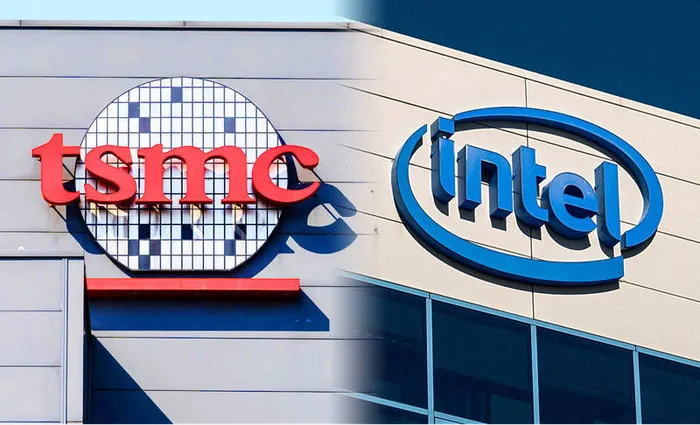
U.S. Commerce Secretary Howard Lutnick is pushing a plan that would see the government take equity stakes in IntelINTC-- and potentially other chipmakers, including MicronMU-- and TSMCTSM--, in exchange for grants under the $52.7 billion CHIPS and Science Act. The program, originally launched under President Joe Biden to spur domestic semiconductor manufacturing, is now being reshaped by the Trump administration into a model that ties taxpayer funding to direct ownership.
Lutnick has already opened negotiations with Intel for a potential 10% government stake, Bloomberg reported earlier. At Intel’s current market value, such a holding would be worth about $11.1 billion, roughly in line with the $10.9 billion in CHIPS Act grants the company has been awarded. Those grants include $7.9 billion to support its domestic investment plans and $3 billion to bolster semiconductor capacity tied to national security.
The U.S. government stake in Intel coincided with SoftBank’s latest investment. The Japanese conglomerate just announced a $2 billion investment in the chipmaker, which will make it Intel’s fifth-largest shareholder. “This strategic investment reflects our belief that advanced semiconductor manufacturing and supply will further expand in the United States, with Intel playing a critical role,” SoftBank CEO Masayoshi Son said. Backed by both SoftBank and the U.S. government, Intel’s stock jumped 7% on Tuesday.
White House Press Secretary Karoline Leavitt confirmed Lutnick’s talks with Intel, saying: “The president wants to put America’s needs first, both from a national security and economic perspective, and it’s a creative idea that has never been done before. We’ll get equity in return for that, instead of just giving grants away.” Lutnick emphasized that any government stake would be non-voting, ensuring companies remain operationally independent.
Trump, who previously called for repealing the CHIPS Act, has since embraced Lutnick’s equity-for-funding approach, arguing it protects taxpayers. “The Biden administration was literally giving Intel and TSMC money for free,” Lutnick said. “Donald Trump turned it into saying, ‘Hey, if we’re going to give you the money, we want a piece of the action for the American taxpayer.’”
Much of the CHIPS Act funding earmarked for companies such as Micron, TSMC, and Samsung has not yet been distributed, raising the prospect of similar equity arrangements. Taiwan’s Economy Minister Kuo Jyh-huei said Wednesday that his ministry would consult with TSMC and the National Development Council, a shareholder of TSMC, to fully assess the implications of Lutnick’s proposal.
The Trump administration has already pursued unconventional arrangements with U.S. corporations. The Pentagon is set to become the largest shareholder in a small mining company to secure rare earth supplies, while NvidiaNVDA-- agreed to let Washington take a 15% cut of H20 chip sales to China. Critics, however, warn that such deals could expose taxpayers to corporate risk if bets sour.
Whether this is ultimately good or bad for the companies remains unclear, as it means greater government involvement in the chipmaking process and increased political influence on corporate decision-making.

Expert analysis on U.S. markets and macro trends, delivering clear perspectives behind major market moves.
Latest Articles
Stay ahead of the market.
Get curated U.S. market news, insights and key dates delivered to your inbox.
AInvest
PRO
AInvest
PRO



Comments
No comments yet