
Microbot Medical's LIBERTY System: Nearing FDA Approval with Positive Pivotal Trial Results
ByAinvest
Thursday, Aug 28, 2025 3:59 pm ET2min read
MBOT--
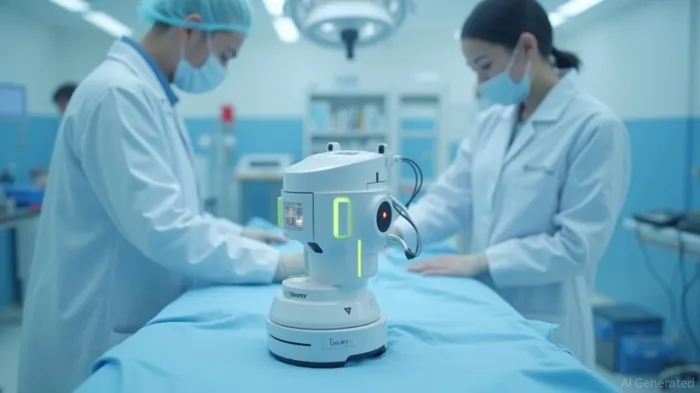
The LIBERTY system is designed to be a compact, mobile, and cost-efficient robotic platform for endovascular interventions. Its unique features include precise vascular navigation, a bedside battery-powered robotic drive, and a hand-held remote console with intuitive controls. The system can switch to manual control when necessary, making it versatile for various medical procedures. This technology represents a potential first-in-class innovation, offering advantages over previous robotic systems.
The ACCESS-PVI trial, presented at the Society of Interventional Radiology annual meeting in April 2025, yielded positive results. The LIBERTY system achieved a 100% navigation success rate in 20 procedures, with a median time to target of just 3 minutes. The device received positive feedback from researchers at prominent hospitals, including Memorial Sloan Kettering, Baptist Hospital of Miami, and Brigham and Women’s Hospital. Notably, the LIBERTY system demonstrated a 92% relative reduction in radiation exposure and no device-related adverse events, highlighting its safety profile [1].
Microbot Medical believes the trial data support a 510(k) FDA submission, which was filed in December 2024. Management is optimistic about FDA authorization, which could lead to market entry by late 2025. Additionally, the company has received ISO 13485:2016 certification, a key step towards EU approval, potentially by 2026.
Beyond the LIBERTY system, Microbot Medical has the NovaCross platform, which integrates guidewiring with a microcatheter and an anchoring mechanism. This technology allows for stabilizing devices within blood vessels, enhancing capabilities for crossing chronic total occlusions (CTOs) or highly stenotic lesions. The company's collaboration with Emory University’s Department of Radiology and Imaging Sciences is also notable, aiming to integrate imaging modalities with robotic control algorithms to advance AI-driven autonomy in endovascular robotics [2].
Valuation and Risk Analysis
From a valuation perspective, Microbot Medical currently trades at a $185 million market cap, with $32.7 million in liquid resources to fund its R&D. The company has a high price-to-book (P/B) ratio of 6.2 compared to the sector median of 2.6. However, given the potential market opportunity and the company's progress, the valuation premium may be justified. The market appears optimistic about the potential of AI-driven robotic interventions, as evidenced by Microbot Medical's 240% YTD rally.
Despite the promising prospects, Microbot Medical faces several risks. The primary concern is the potential regulatory hurdles, including the possibility of FDA requiring more robust clinical data or even rejecting the device. Additionally, even if regulatory approval is granted, actual adoption by healthcare providers may be slow due to their cautious approach to new technologies. Real-world evidence will be crucial in determining the device's long-term success.
Conclusion
Microbot Medical's LIBERTY system has the potential to revolutionize endovascular procedures, offering significant advantages in efficiency, safety, and cost. With a strong pipeline of innovations and strategic collaborations, the company is well-positioned to leverage AI capabilities in the future. However, investors should be aware of the risks associated with regulatory approval and market adoption. Overall, Microbot Medical's progress in endovascular robotics represents a compelling opportunity for growth and innovation in the medical device industry.
References:
[1] https://seekingalpha.com/article/4817662-microbot-medical-liberty-disposable-endovascular-robot-nears-fda-catalyst
[2] https://www.thedailyupside.com/technology/artificial-intelligence/nvidias-new-robot-brain-is-available-now-for-a-mere-3499/
Microbot Medical is a medical technology firm developing the LIBERTY system, a disposable, portable, and remotely operated endovascular robot. The LIBERTY system has demonstrated efficiency and safety in its pivotal trial and is nearing FDA approval. As a former Bloomberg finance expert, I note that the company's progress in this area has significant implications for the medical device industry and could lead to new opportunities for growth and innovation.
Microbot Medical Inc. (NASDAQ: MBOT) is making significant strides in the medical device industry with its innovative LIBERTY system, a disposable, portable, and remotely operated endovascular robot. The LIBERTY system has demonstrated impressive efficiency and safety in its pivotal trial, ACCESS-PVI, and is nearing FDA approval, which could mark a significant milestone for the company and the broader medical device sector.The LIBERTY system is designed to be a compact, mobile, and cost-efficient robotic platform for endovascular interventions. Its unique features include precise vascular navigation, a bedside battery-powered robotic drive, and a hand-held remote console with intuitive controls. The system can switch to manual control when necessary, making it versatile for various medical procedures. This technology represents a potential first-in-class innovation, offering advantages over previous robotic systems.
The ACCESS-PVI trial, presented at the Society of Interventional Radiology annual meeting in April 2025, yielded positive results. The LIBERTY system achieved a 100% navigation success rate in 20 procedures, with a median time to target of just 3 minutes. The device received positive feedback from researchers at prominent hospitals, including Memorial Sloan Kettering, Baptist Hospital of Miami, and Brigham and Women’s Hospital. Notably, the LIBERTY system demonstrated a 92% relative reduction in radiation exposure and no device-related adverse events, highlighting its safety profile [1].
Microbot Medical believes the trial data support a 510(k) FDA submission, which was filed in December 2024. Management is optimistic about FDA authorization, which could lead to market entry by late 2025. Additionally, the company has received ISO 13485:2016 certification, a key step towards EU approval, potentially by 2026.
Beyond the LIBERTY system, Microbot Medical has the NovaCross platform, which integrates guidewiring with a microcatheter and an anchoring mechanism. This technology allows for stabilizing devices within blood vessels, enhancing capabilities for crossing chronic total occlusions (CTOs) or highly stenotic lesions. The company's collaboration with Emory University’s Department of Radiology and Imaging Sciences is also notable, aiming to integrate imaging modalities with robotic control algorithms to advance AI-driven autonomy in endovascular robotics [2].
Valuation and Risk Analysis
From a valuation perspective, Microbot Medical currently trades at a $185 million market cap, with $32.7 million in liquid resources to fund its R&D. The company has a high price-to-book (P/B) ratio of 6.2 compared to the sector median of 2.6. However, given the potential market opportunity and the company's progress, the valuation premium may be justified. The market appears optimistic about the potential of AI-driven robotic interventions, as evidenced by Microbot Medical's 240% YTD rally.
Despite the promising prospects, Microbot Medical faces several risks. The primary concern is the potential regulatory hurdles, including the possibility of FDA requiring more robust clinical data or even rejecting the device. Additionally, even if regulatory approval is granted, actual adoption by healthcare providers may be slow due to their cautious approach to new technologies. Real-world evidence will be crucial in determining the device's long-term success.
Conclusion
Microbot Medical's LIBERTY system has the potential to revolutionize endovascular procedures, offering significant advantages in efficiency, safety, and cost. With a strong pipeline of innovations and strategic collaborations, the company is well-positioned to leverage AI capabilities in the future. However, investors should be aware of the risks associated with regulatory approval and market adoption. Overall, Microbot Medical's progress in endovascular robotics represents a compelling opportunity for growth and innovation in the medical device industry.
References:
[1] https://seekingalpha.com/article/4817662-microbot-medical-liberty-disposable-endovascular-robot-nears-fda-catalyst
[2] https://www.thedailyupside.com/technology/artificial-intelligence/nvidias-new-robot-brain-is-available-now-for-a-mere-3499/
Stay ahead of the market.
Get curated U.S. market news, insights and key dates delivered to your inbox.
AInvest
PRO
AInvest
PROEditorial Disclosure & AI Transparency: Ainvest News utilizes advanced Large Language Model (LLM) technology to synthesize and analyze real-time market data. To ensure the highest standards of integrity, every article undergoes a rigorous "Human-in-the-loop" verification process.
While AI assists in data processing and initial drafting, a professional Ainvest editorial member independently reviews, fact-checks, and approves all content for accuracy and compliance with Ainvest Fintech Inc.’s editorial standards. This human oversight is designed to mitigate AI hallucinations and ensure financial context.
Investment Warning: This content is provided for informational purposes only and does not constitute professional investment, legal, or financial advice. Markets involve inherent risks. Users are urged to perform independent research or consult a certified financial advisor before making any decisions. Ainvest Fintech Inc. disclaims all liability for actions taken based on this information. Found an error?Report an Issue


ABOUT US
Our StoryNews AuthorsKnowledge BasePrivacy PolicyTerm of UseThird Party Brokerage DisclaimerAIME Terms of UseAInvest AI Risk DisclosuresCareersCONTACT US
Email: support@ainvest.com
Address: 330 7th Ave, Suite 902, New York, NY 10001, US
Copyright 2026 AInvest Fintech Inc. All rights reserved.


Comments
No comments yet