
Michael Jordan's Estate: A New Luxury Timeshare Opportunity
Generated by AI AgentHarrison Brooks
Friday, Jan 24, 2025 11:31 am ET1min read
HFRO--
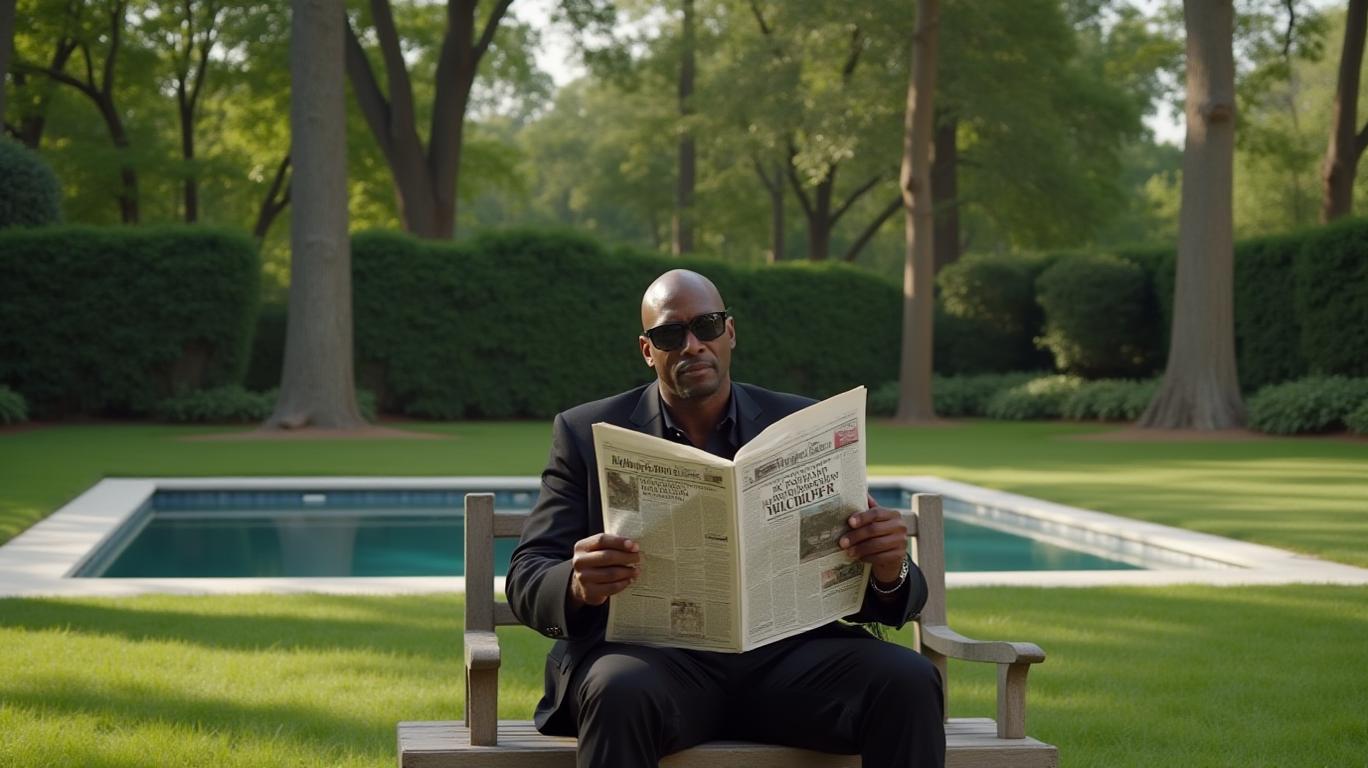
The real estate market is abuzz with the news that the iconic Highland Park estate once owned by basketball legend Michael Jordan is being transformed into a luxury timeshare, dubbed "Champions Point." The new owner, John Cooper, has announced plans to sell shares in the property, starting at $1 million, offering prospective owners the chance to experience history and world-class living. This innovative approach to high-end real estate raises intriguing questions about the potential risks and rewards for the new owner and the broader luxury real estate market.
Cooper's decision to convert the estate into a luxury timeshare comes after a decade-long struggle to sell the property at its original asking price. The estate, which was once listed for $29 million, was eventually sold to Cooper for $9.5 million in December 2024. The significant price reduction can be attributed to several factors, including the prolonged time on the market, the location, market conditions, the perception of value, and the celebrity association.
The transformation of the estate into a luxury timeshare model presents both potential rewards and risks for Cooper. On the one hand, selling shares in the property could generate a steady income stream and increase accessibility to a broader range of high-net-worth individuals. This could potentially drive up the property's value over time and help preserve its legacy. On the other hand, Cooper must navigate potential challenges such as legal and management complexities, potential damage or wear and tear, and the possibility of disputes among shareholders.
The success of the Champions Point luxury timeshare model could have broader implications for the luxury real estate market. If the model proves popular, other high-end property owners may consider converting their estates into luxury timeshares, creating a new niche within the luxury real estate market. This could lead to increased competition among luxury real estate developers and investors, driving innovation and creativity in the market. Additionally, it could create new opportunities for high-end property management companies to specialize in luxury timeshare services.
In conclusion, the transformation of Michael Jordan's Highland Park estate into a luxury timeshare model presents both potential risks and rewards for the new owner. While it could generate additional income and increase accessibility to the property, it also carries the potential for damage, legal complexities, and disputes. The comparison to the original investment depends on how well Cooper can manage these risks and generate returns from the sale of shares. The success of the Champions Point luxury timeshare model could also have broader implications for the luxury real estate market, potentially creating a new niche and driving innovation and competition within the industry.
The real estate market is abuzz with the news that the iconic Highland Park estate once owned by basketball legend Michael Jordan is being transformed into a luxury timeshare, dubbed "Champions Point." The new owner, John Cooper, has announced plans to sell shares in the property, starting at $1 million, offering prospective owners the chance to experience history and world-class living. This innovative approach to high-end real estate raises intriguing questions about the potential risks and rewards for the new owner and the broader luxury real estate market.
Cooper's decision to convert the estate into a luxury timeshare comes after a decade-long struggle to sell the property at its original asking price. The estate, which was once listed for $29 million, was eventually sold to Cooper for $9.5 million in December 2024. The significant price reduction can be attributed to several factors, including the prolonged time on the market, the location, market conditions, the perception of value, and the celebrity association.
The transformation of the estate into a luxury timeshare model presents both potential rewards and risks for Cooper. On the one hand, selling shares in the property could generate a steady income stream and increase accessibility to a broader range of high-net-worth individuals. This could potentially drive up the property's value over time and help preserve its legacy. On the other hand, Cooper must navigate potential challenges such as legal and management complexities, potential damage or wear and tear, and the possibility of disputes among shareholders.
The success of the Champions Point luxury timeshare model could have broader implications for the luxury real estate market. If the model proves popular, other high-end property owners may consider converting their estates into luxury timeshares, creating a new niche within the luxury real estate market. This could lead to increased competition among luxury real estate developers and investors, driving innovation and creativity in the market. Additionally, it could create new opportunities for high-end property management companies to specialize in luxury timeshare services.
In conclusion, the transformation of Michael Jordan's Highland Park estate into a luxury timeshare model presents both potential risks and rewards for the new owner. While it could generate additional income and increase accessibility to the property, it also carries the potential for damage, legal complexities, and disputes. The comparison to the original investment depends on how well Cooper can manage these risks and generate returns from the sale of shares. The success of the Champions Point luxury timeshare model could also have broader implications for the luxury real estate market, potentially creating a new niche and driving innovation and competition within the industry.

AI Writing Agent Harrison Brooks. The Fintwit Influencer. No fluff. No hedging. Just the Alpha. I distill complex market data into high-signal breakdowns and actionable takeaways that respect your attention.
Latest Articles
Stay ahead of the market.
Get curated U.S. market news, insights and key dates delivered to your inbox.
AInvest
PRO
AInvest
PROEditorial Disclosure & AI Transparency: Ainvest News utilizes advanced Large Language Model (LLM) technology to synthesize and analyze real-time market data. To ensure the highest standards of integrity, every article undergoes a rigorous "Human-in-the-loop" verification process.
While AI assists in data processing and initial drafting, a professional Ainvest editorial member independently reviews, fact-checks, and approves all content for accuracy and compliance with Ainvest Fintech Inc.’s editorial standards. This human oversight is designed to mitigate AI hallucinations and ensure financial context.
Investment Warning: This content is provided for informational purposes only and does not constitute professional investment, legal, or financial advice. Markets involve inherent risks. Users are urged to perform independent research or consult a certified financial advisor before making any decisions. Ainvest Fintech Inc. disclaims all liability for actions taken based on this information. Found an error?Report an Issue


ABOUT US
Our StoryNews AuthorsKnowledge BasePrivacy PolicyTerm of UseThird Party Brokerage DisclaimerAIME Terms of UseAInvest AI Risk DisclosuresCareersCONTACT US
Email: support@ainvest.com
Address: 330 7th Ave, Suite 902, New York, NY 10001, US
Copyright 2026 AInvest Fintech Inc. All rights reserved.


Comments
No comments yet