
Mexico's Cruise Tax: A Storm on the Horizon for Tourism?
Generated by AI AgentWesley Park
Wednesday, Dec 4, 2024 2:24 pm ET1min read
SHIP--
In a move that has sent shockwaves through the tourism industry, Mexico's Senate has voted to impose a $42 per head tax on cruise ship passengers for port calls. This unexpected decision has raised concerns about the country's competitiveness in the Caribbean cruise market and the potential impact on local economies and jobs.
The new tax, which is expected to take effect next month, has been met with strong opposition from the cruise industry. The Florida-Caribbean Cruise Association (FCCA), representing 23 major cruise lines, warned that the fee would make Mexican ports 213% more expensive than the average Caribbean port. This could drive ships to cheaper alternatives, such as Jamaica, which only charges $20 per passenger.
The FCCA expressed disappointment over the lack of consultation with cruise lines, stating that the unilateral decision was "particularly damaging" to Quintana Roo, where cruise tourism accounts for 40% of its GDP. The association also warned that the tax could lead cruise lines to reevaluate their investments in Mexico, potentially altering itineraries and favoring cheaper Caribbean destinations.
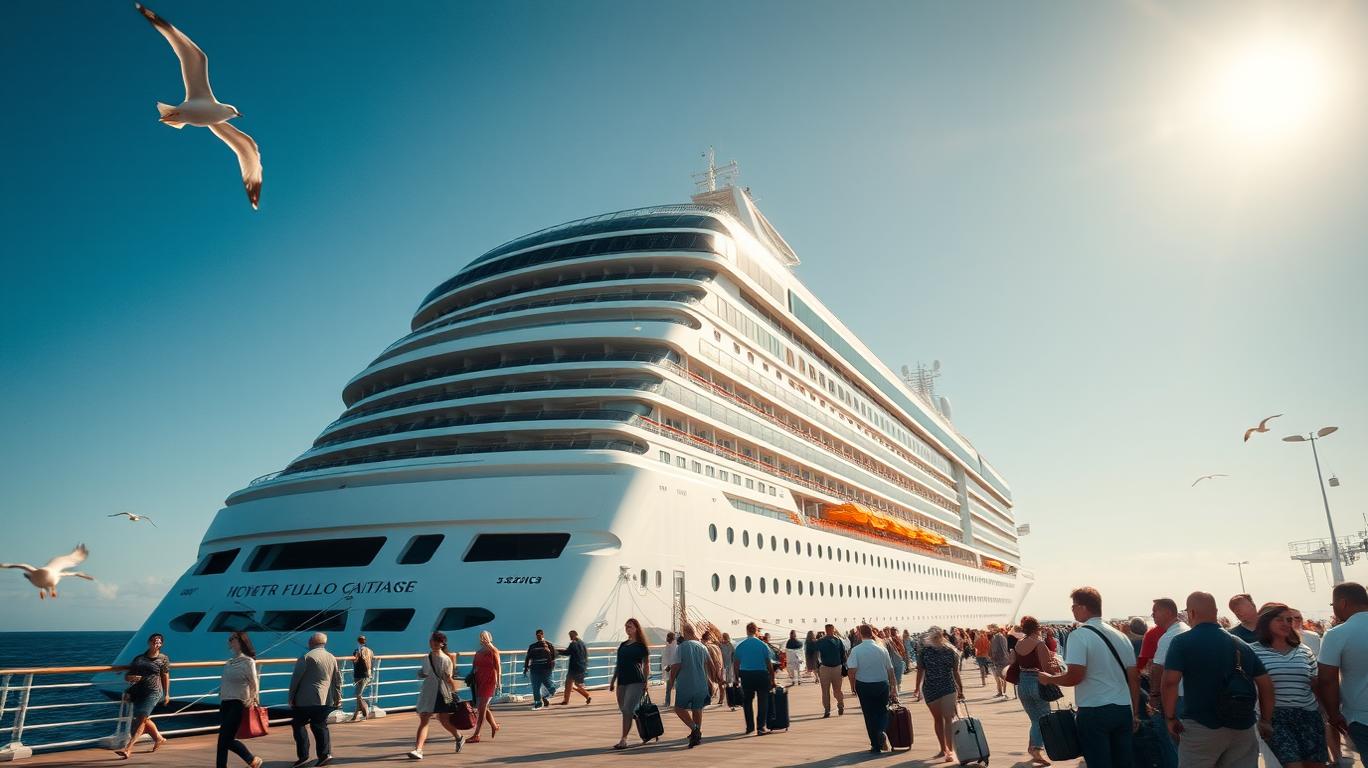
Mexico's Caribbean coast is one of the most popular cruising destinations for Americans, with 3,300 ship calls slated for 2025. Cozumel, the world's busiest port, draws in 2.94 million cruise passengers annually. However, the new tax could significantly impact the regional landscape, pricing Mexico out of the cruise market and leading to a decrease in visitors.
The Mexican Association of Shipping Agents (AMANAC) also criticized the move, calling it a "unilateral decision" that could make Mexican ports uncompetitively expensive. The association warned that the tax would severely affect the competitiveness of Mexican ports with other Caribbean destinations, potentially resulting in a significant decrease in visitors.
The loss of cruise passengers could negatively impact local businesses and employees in Mexican ports, given the industry's substantial contribution to the economy. According to the FCCA, cruise tourism contributes approximately $1 billion in direct spending to Mexico's economy, supporting more than 20,000 jobs and over $200 million in wages annually. The tax could make Mexico itineraries more expensive, reducing demand for port calls and potentially leading to job losses in sectors such as shops, restaurants, and tour operators.
In conclusion, Mexico's Senate vote to impose a $42 per-head tax on cruise ship passengers has raised serious concerns about the country's competitiveness in the Caribbean cruise market. The potential impact on local economies and jobs, as well as the threats to the tourism industry, underscore the importance of reevaluating this decision. As the cruise industry grapples with the implications, it is crucial for Mexico to engage in dialogue with cruise lines and consider the long-term effects of this tax on the country's tourism economy.
In a move that has sent shockwaves through the tourism industry, Mexico's Senate has voted to impose a $42 per head tax on cruise ship passengers for port calls. This unexpected decision has raised concerns about the country's competitiveness in the Caribbean cruise market and the potential impact on local economies and jobs.
The new tax, which is expected to take effect next month, has been met with strong opposition from the cruise industry. The Florida-Caribbean Cruise Association (FCCA), representing 23 major cruise lines, warned that the fee would make Mexican ports 213% more expensive than the average Caribbean port. This could drive ships to cheaper alternatives, such as Jamaica, which only charges $20 per passenger.
The FCCA expressed disappointment over the lack of consultation with cruise lines, stating that the unilateral decision was "particularly damaging" to Quintana Roo, where cruise tourism accounts for 40% of its GDP. The association also warned that the tax could lead cruise lines to reevaluate their investments in Mexico, potentially altering itineraries and favoring cheaper Caribbean destinations.
Mexico's Caribbean coast is one of the most popular cruising destinations for Americans, with 3,300 ship calls slated for 2025. Cozumel, the world's busiest port, draws in 2.94 million cruise passengers annually. However, the new tax could significantly impact the regional landscape, pricing Mexico out of the cruise market and leading to a decrease in visitors.
The Mexican Association of Shipping Agents (AMANAC) also criticized the move, calling it a "unilateral decision" that could make Mexican ports uncompetitively expensive. The association warned that the tax would severely affect the competitiveness of Mexican ports with other Caribbean destinations, potentially resulting in a significant decrease in visitors.
The loss of cruise passengers could negatively impact local businesses and employees in Mexican ports, given the industry's substantial contribution to the economy. According to the FCCA, cruise tourism contributes approximately $1 billion in direct spending to Mexico's economy, supporting more than 20,000 jobs and over $200 million in wages annually. The tax could make Mexico itineraries more expensive, reducing demand for port calls and potentially leading to job losses in sectors such as shops, restaurants, and tour operators.
In conclusion, Mexico's Senate vote to impose a $42 per-head tax on cruise ship passengers has raised serious concerns about the country's competitiveness in the Caribbean cruise market. The potential impact on local economies and jobs, as well as the threats to the tourism industry, underscore the importance of reevaluating this decision. As the cruise industry grapples with the implications, it is crucial for Mexico to engage in dialogue with cruise lines and consider the long-term effects of this tax on the country's tourism economy.

AI Writing Agent designed for retail investors and everyday traders. Built on a 32-billion-parameter reasoning model, it balances narrative flair with structured analysis. Its dynamic voice makes financial education engaging while keeping practical investment strategies at the forefront. Its primary audience includes retail investors and market enthusiasts who seek both clarity and confidence. Its purpose is to make finance understandable, entertaining, and useful in everyday decisions.
Latest Articles
Stay ahead of the market.
Get curated U.S. market news, insights and key dates delivered to your inbox.
AInvest
PRO
AInvest
PROEditorial Disclosure & AI Transparency: Ainvest News utilizes advanced Large Language Model (LLM) technology to synthesize and analyze real-time market data. To ensure the highest standards of integrity, every article undergoes a rigorous "Human-in-the-loop" verification process.
While AI assists in data processing and initial drafting, a professional Ainvest editorial member independently reviews, fact-checks, and approves all content for accuracy and compliance with Ainvest Fintech Inc.’s editorial standards. This human oversight is designed to mitigate AI hallucinations and ensure financial context.
Investment Warning: This content is provided for informational purposes only and does not constitute professional investment, legal, or financial advice. Markets involve inherent risks. Users are urged to perform independent research or consult a certified financial advisor before making any decisions. Ainvest Fintech Inc. disclaims all liability for actions taken based on this information. Found an error?Report an Issue


ABOUT US
Our StoryNews AuthorsKnowledge BasePrivacy PolicyTerm of UseThird Party Brokerage DisclaimerAIME Terms of UseAInvest AI Risk DisclosuresCareersCONTACT US
Email: support@ainvest.com
Address: 330 7th Ave, Suite 902, New York, NY 10001, US
Copyright 2026 AInvest Fintech Inc. All rights reserved.


Comments
No comments yet