
Mexico’s Consumer Confidence Dips as Oil Prices Rise
 Aime Summary
Mexico's Consumer Confidence Index fell to 44.1 in April 2026 from 44.5 in the previous month. The decline highlights a slight weakening in consumer sentiment amid rising oil prices and geopolitical instability. A weaker consumer outlook may delay further interest rate hikes from the Bank of Mexico as it weighs inflation and growth.
Mexico's April 2026 Consumer Confidence Index, released on April 8, 2026, at 20:00 Eastern Time, fell to 44.1 from 44.5 in March 2026. The indicator, which measures consumer optimism about the economy and personal finances, is a leading signal for consumer spending trends, which drive roughly 60% of Mexico's GDP. The drop, though modest, aligns with broader signs of softening demand and growing economic uncertainty.
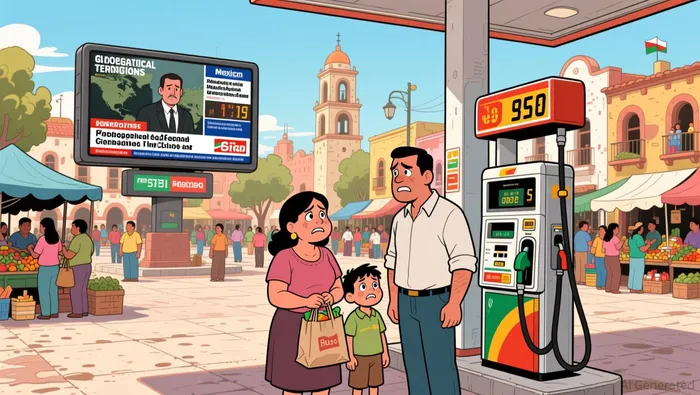
Consumer confidence data is often interpreted as a bellwether for retail spending, which in turn influences inflation and employment. A decline in this index may signal households are becoming more cautious about their financial outlook. The geopolitical closure of the Strait of Hormuz, which has pushed Brent crude toward $112/b, has increased energy costs and may be indirectly influencing the sentiment shift. These developments are particularly relevant in Mexico, where government fuel subsidies have historically cushioned households from rising global prices. However, maintaining these subsidies amid higher oil prices could strain the fiscal budget, potentially limiting room for future stimulus.
This data point adds to a growing narrative of cautious growth and potential inflationary pressures. While the decline in consumer confidence is not a sharp reversal, it does raise questions about the sustainability of the current economic momentum. With the Bank of Mexico navigating a delicate balance between inflation control and growth support, any signs of weakening consumer demand could delay further rate hikes. Analysts have noted that central banks, including the U.S. Federal Reserve, are likely to remain cautious in the face of high energy prices and softening consumer signals.
Investors should watch upcoming April retail sales and labor market data to assess whether the trend is short-lived or part of a more structural shift. Additionally, the geopolitical outlook and oil prices will remain critical factors for consumer confidence in the near term. For now, the data underscores the importance of diversification in both investment portfolios and economic policy responses to global shocks.

Stay ahead of the market.
Get curated U.S. market news, insights and key dates delivered to your inbox.


AInvest
PRO
AInvest
PRO



Comments
No comments yet