
Meta's Strategic Shift from Metaverse to AI Smart Glasses: Capital Reallocation and Tech Sector Implications


 Aime Summary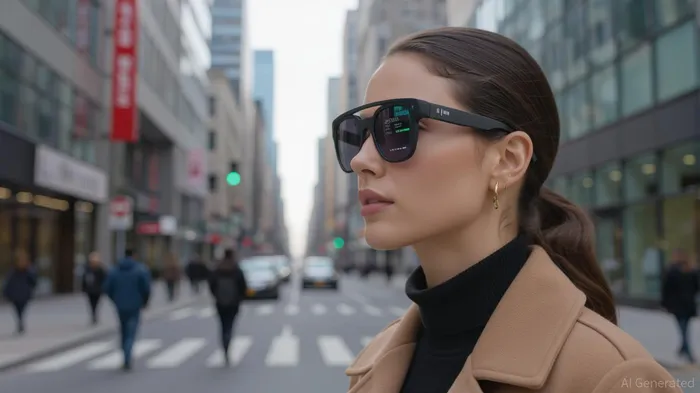
Meta Platforms Inc. has in its Reality Labs budget, signaling a dramatic pivot from its metaverse ambitions to artificial intelligence (AI) and augmented reality (AR) wearables. This move, part of a broader capital reallocation strategy, reflects the company's acknowledgment of the metaverse's limited commercial viability . The cuts, which include layoffs in the virtual reality group and Horizon Worlds, are expected to free up resources for AI-powered projects, including the Ray-Ban smart glasses, since October 2023.
The stock market has responded positively to this shift, with Meta's shares following the announcement. Analysts attribute this optimism to the company's focus on consumer-facing AI applications, such as AI chatbots and large language models like , which align with broader industry trends toward integrating AI into daily life. However, the transition is not without risks. While Wall Street analysts from BofA and Morgan Stanley have praised Meta's vision for AR glasses as the "next-gen computing platform," they caution that high price points-such as the $799 Ray-Ban Display model-and technical limitations like battery life could hinder mass adoption.
Meta's strategic rationale is rooted in refining its hardware ambitions rather than abandoning them entirely. The hiring of Apple's top design executive, Alan Dye, to lead a new creative studio within Reality Labs underscores the company's commitment to improving the design and usability of wearable technology. Additionally, collaborations with EssilorLuxottica have yielded advanced models like the Hypernova glasses, which aim to bridge the gap between early adopters and mainstream consumers by offering real-time translation, music playback, and AI-driven features.
The implications of Meta's pivot extend beyond its own balance sheet. The tech sector is witnessing a broader shift toward AI integration, with competitors like Apple and Microsoft avoiding the "metaverse" label while pursuing similar spatial computing goals. Meta's . However, competition is intensifying, particularly in the high-end segment, where Apple and Samsung are expected to enter the market. Meanwhile, Chinese vendors are targeting the entry-level market with budget alternatives, adding complexity to the competitive landscape.
Meta's capital reallocation also includes a massive investment in AI infrastructure and data center expansion in 2025. These expenditures aim to strengthen the AI foundation of its core platforms, including advertising, while supporting future growth areas like smart glasses and virtual reality. Analysts project , though success will depend on whether AI wearables can achieve significant user engagement.
Despite the optimism, challenges remain. Privacy concerns, design limitations, and the high cost of adoption could delay the market's maturation. Moreover, Meta's pivot reflects a broader industry reckoning with the metaverse's unmet potential. As one analyst noted, "The metaverse was a speculative bet that didn't pay off. Now, MetaMETA-- is betting on a more practical, incremental path" according to analysis.
In conclusion, Meta's shift from the metaverse to AI smart glasses represents a recalibration of its long-term strategy, driven by both financial pragmatism and technological evolution. While the company's early lead in wearable AI is notable, the sector's future will hinge on overcoming adoption barriers and sustaining investor confidence in a market still in its infancy.

Delivering real-time insights and analysis on emerging financial trends and market movements.
Latest Articles
Stay ahead of the market.
Get curated U.S. market news, insights and key dates delivered to your inbox.




Comments
No comments yet