
Meta's Strategic Shift from Metaverse to AI Glasses and Its Implications for Tech Investors


 Aime Summary
Meta's pivot from the metaverse to AI glasses represents a bold reimagining of its long-term value proposition in the tech sector. By shifting focus from bulky, mixed-reality headsets to sleek, AI-powered wearables, the company is addressing a critical gap in consumer adoption while aligning with the broader industry's embrace of artificial intelligence. This strategic recalibration, underpinned by partnerships, infrastructure investments, and product innovation, has significant implications for tech investors assessing the durability of tech sector pivots.
A Strategic Reorientation: From Metaverse to AI Glasses
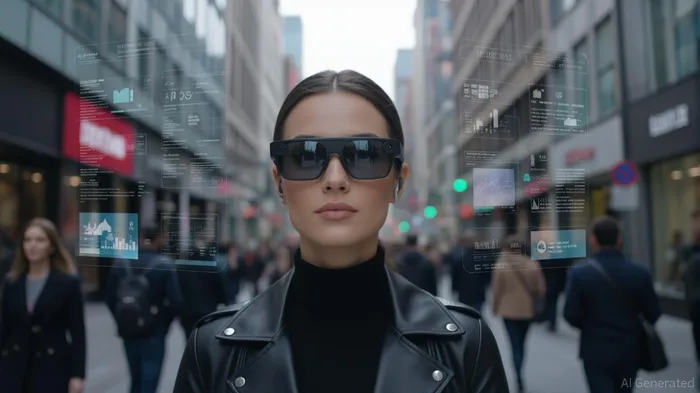 Meta's early metaverse ambitions, epitomized by its Reality Labs division, struggled to gain traction due to high costs, limited use cases, and consumer resistance to clunky hardware. However, the company's collaboration with EssilorLuxottica has transformed its approach. The Ray-Ban MetaMETA-- (Gen 2), Oakley Meta Vanguard, and Meta Ray-Ban Display models exemplify a shift toward practical, aesthetically pleasing devices that integrate AI into everyday life. For instance, Ray-Ban Meta (Gen 2) offers features like Conversation Focus, which uses open-ear speakers to amplify voices in noisy environments, while the Meta Ray-Ban Display introduces a monocular display and gesture-based control via the Meta Neural Band. These innovations prioritize usability and form factor, lessons learned from the failure of Google Glass.
Meta's financial commitment to this pivot is equally telling. In July 2025, the company in EssilorLuxottica, securing a 3% ownership stake and signaling a long-term partnership. This investment aligns with CEO Mark Zuckerberg's vision of AI glasses as the ideal form factor for delivering "personal superintelligence," a concept that integrates real-time contextual awareness and multimodal AI capabilities.
Market Adoption and Investor Sentiment
The market for AI glasses is expanding rapidly, with Meta dominating the space. Sales of its smart glasses , . The segment is , . This growth is supported by EssilorLuxottica's plans to scale production to 10 million units by 2026.
Investor sentiment has been largely positive. Wall Street analysts like Morgan Stanley's and BofA's Justin Post have highlighted the functional appeal of Meta's AI glasses, noting their potential to redefine next-gen computing. However, challenges remain. Privacy concerns, high prices, and comfort issues have slowed mainstream adoption. Despite these hurdles, Meta's early lead and integration of AI features-such as and AI-enabled facial recognition-position it as a key player in the wearable tech ecosystem.
Competitive Landscape and Long-Term Risks
Meta faces intensifying competition from Apple and Google. Apple is reportedly targeting a late 2026 launch with a privacy-first approach, while Google's Android XR platform aims to democratize AI glasses for a broader range of manufacturers. These entrants could fragment the market, but Meta's first-mover advantage and strong partnerships with EssilorLuxottica provide a buffer.
The company's financials, however, reveal risks. , . Meta's aggressive capital expenditures, , underscore its commitment to AI infrastructure but raise questions about long-term profitability.
### Historical Parallels: Lessons from Tech Pivots
Meta's pivot mirrors historical tech sector shifts, such as IBM's transition to enterprise AI and Microsoft's cloud-first strategy. IBM's "AI First" doctrine, for example, focuses on hybrid cloud integration, creating a niche in regulated industries. Similarly, Microsoft's cloud and AI investments have driven sustained growth, demonstrating the importance of aligning with industry trends.
Meta's success hinges on its ability to balance innovation with practicality. Unlike IBM's enterprise-centric approach, Meta's consumer-focused strategy relies on aesthetic appeal and utility. This dual emphasis on form and function could differentiate it from competitors, but it also requires continuous R&D to maintain relevance in a rapidly evolving market.
Conclusion: Assessing Long-Term Value
For tech investors, Meta's pivot to AI glasses represents a high-risk, high-reward opportunity. The company's early lead, strategic partnerships, and AI integration position it to capitalize on the wearable tech boom. However, financial challenges, competitive pressures, and consumer adoption hurdles cannot be ignored.
Historical precedents suggest that successful pivots require a clear vision, robust infrastructure, and adaptability. Meta's investment in AI infrastructure and its focus on a socially acceptable form factor align with these criteria. If the company can navigate short-term losses and privacy concerns, its AI glasses could redefine how users interact with technology-delivering long-term value for investors.

Delivering real-time insights and analysis on emerging financial trends and market movements.
Latest Articles
Stay ahead of the market.
Get curated U.S. market news, insights and key dates delivered to your inbox.




Comments
No comments yet