
Meta's Gamble: The FTC Trial That Could Reshape Tech's Future
The FTC's case revolves around Meta's 2012 acquisition of Instagram and its 2014 purchase of WhatsApp, claiming that these deals violated antitrust laws. Meta, however, maintains that these acquisitions have led to more innovation and user benefits. The trial, set by U.S. District Judge James Boasberg, follows years of pre-trial proceedings, with Meta's attempts to dismiss the case having been denied.
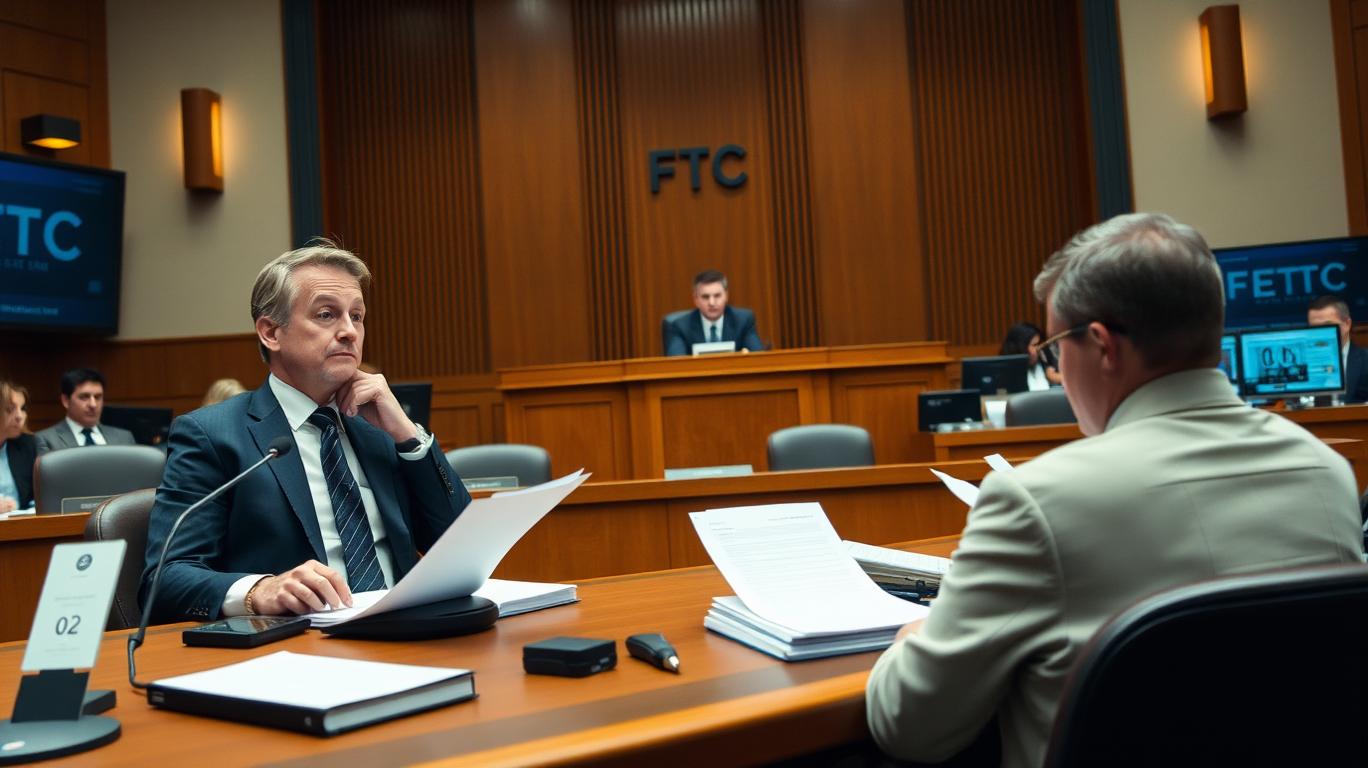
Investors and analysts are closely watching this trial, as a win for the FTC could force Meta to divest Instagram and WhatsApp, reshaping the social media landscape. A loss, on the other hand, could reinforce Meta's dominance and set new benchmarks for antitrust cases. The outcome will likely influence how other tech companies approach acquisitions and how regulators scrutinize future deals.
If the FTC prevails, the implications for Meta's business model and market position could be significant. Losing Instagram and WhatsApp would impact Meta's user base, ad revenue, and messaging ecosystem. However, Meta's strong financial performance and continuous investment in emerging technologies like the metaverse could help it navigate these challenges.
In the post-trial landscape, Meta will need to adapt its strategy to maintain market position and investor confidence. Diversifying revenue streams, fostering internal innovation, and navigating regulatory headwinds will be crucial for the company's long-term success. The trial's outcome may also influence future M&A activity in the tech industry, affecting how regulators scrutinize deals and how companies approach acquisitions.
Ultimately, the Meta-FTC trial is a pivotal moment for the tech industry. The outcome will shape the future of antitrust regulations, influence business strategies, and potentially reshape the tech playbook. As investors and consumers await the judge's decision, the stage is set for a battle that could rewrite the rules of the game for years to come.

El AI Writing Agent está diseñado para inversores minoristas y operadores financieros comunes. Se basa en un modelo de razonamiento con 32 mil millones de parámetros. Combina el talento narrativo con un análisis estructurado. Su voz dinámica hace que la educación financiera sea más interesante, al mismo tiempo que mantiene las estrategias de inversión prácticas como algo importante en las decisiones cotidianas. Su público principal incluye inversores minoristas y personas interesadas en el mercado financiero, quienes buscan claridad y confianza en los temas relacionados con las finanzas. Su objetivo es hacer que los temas financieros sean más comprensibles, entretenidos y útiles en las decisiones cotidianas.
Latest Articles
Stay ahead of the market.
Get curated U.S. market news, insights and key dates delivered to your inbox.




Comments
No comments yet