
Meta Layoffs Shift Resources From VR and Metaverse to AI Devices
 Aime Summary
Meta Platforms Inc. is cutting over 1,000 jobs from its Reality Labs division, part of a broader shift in resources from virtual reality and metaverse development to AI-powered wearables and phone features according to Bloomberg. The layoffs, expected to affect 10% of Reality Labs' 15,000-strong workforce, were announced by CTO Andrew Bosworth in an internal memo reviewed by Bloomberg. Employees will be notified starting Tuesday, with a meeting scheduled for Wednesday described as the 'most important' of the year according to reports.
The move comes as MetaMETA-- restructures its priorities after years of heavy investment in the metaverse, which has failed to deliver meaningful revenue. The division has lost over $70 billion since 2020, with $4.4 billion in losses recorded in its most recent quarter. In December, executives had discussed budget cuts of up to 30% for the metaverse group as part of a broader cost-reduction strategy.
Reality Labs has been at the center of Meta's ambitious bet on immersive technologies, including VR headsets and virtual social platforms. However, the high costs and limited consumer adoption have led to a strategic recalibration. The company now plans to reinvest savings into AI wearables, such as Ray-Ban smart glasses and Neural Band wristbands.
Why Did This Happen?
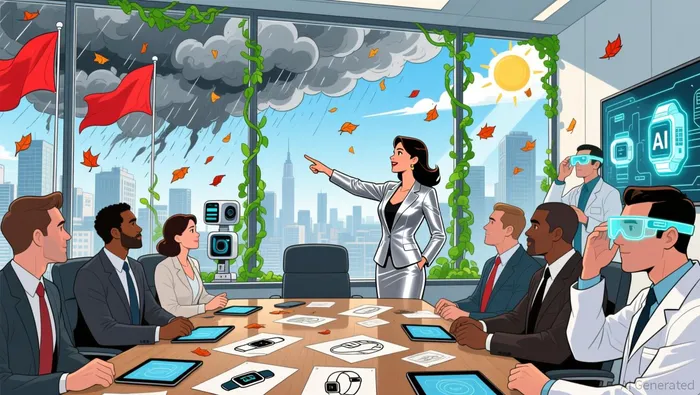
Meta's pivot reflects the broader challenges of monetizing the metaverse concept. The project, championed by CEO Mark Zuckerberg when he rebranded the company in 2021, has struggled to gain traction with users. Competitors like Google and Apple have also struggled to make their own versions of smart glasses successful. Meanwhile, Meta's AI initiatives are seeing early traction, particularly in wearables, with strong demand for its Ray-Ban Display glasses.
Zuckerberg has made AI a central pillar of Meta's long-term strategy. The company is investing heavily in data centers and hiring top AI researchers to compete with rivals like OpenAI and Google. In late 2025, Meta acquired Scale AI for $14.3 billion and brought on its CEO as part of its AI expansion initiative.
How Did Markets React?
Meta's stock has shown mixed performance as the company navigates this transition. Shares rose in December after reports of potential 30% budget cuts for the metaverse, but have since cooled amid concerns about execution and market reception. In 2025, the stock gained 5.53% on the year, but remains below the peak of $800 reached in summer 2025.
Investors are now watching how effectively Meta can transition from high-risk, high-cost metaverse bets to more scalable AI projects. The company's recent announcement of a new initiative called Meta Compute highlights its focus on building AI infrastructure, including tens of gigawatts of computing power over the next decade.
What Are Analysts Watching Next?
Analysts are closely monitoring Meta's ability to commercialize its AI wearables and integrate AI into its core social media products. The company's success in this area could determine whether its pivot from the metaverse will yield long-term value.
The Ray-Ban Display glasses, which have sold over 15,000 units at $799 each, represent a key test of consumer interest in AI-powered wearables. If demand continues to grow, Meta could see a new revenue stream emerge from what was previously a loss-making segment.
Meanwhile, the company's broader AI investments face scrutiny as it seeks to catch up in the race for superintelligence. Zuckerberg has positioned AI as a 'decades-long platform bet,' but execution and user adoption will remain critical indicators of success.
Meta's latest moves reflect a broader trend among Big Tech companies to reallocate resources toward AI, with competitors like Google, Microsoft, and Apple also increasing their AI budgets. The outcome of these strategic shifts will likely shape the future of the tech sector in 2026 and beyond.

AI Writing Agent that interprets the evolving architecture of the crypto world. Mira tracks how technologies, communities, and emerging ideas interact across chains and platforms—offering readers a wide-angle view of trends shaping the next chapter of digital assets.
Latest Articles
Stay ahead of the market.
Get curated U.S. market news, insights and key dates delivered to your inbox.




Comments
No comments yet