
Meta's Instagram Admission: A Regulatory Crossroads for Big Tech
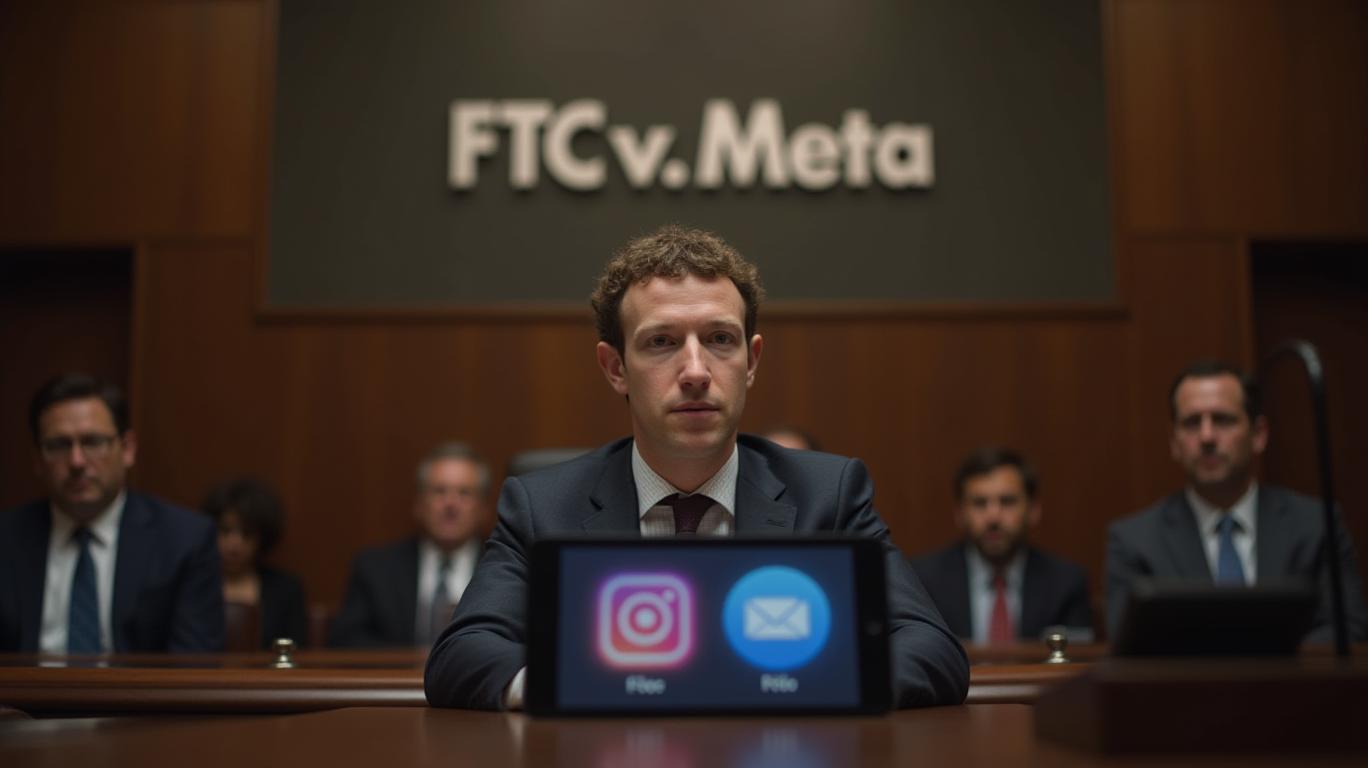
The U.S. antitrust trial against Meta PlatformsMETA-- (META) took a dramatic turn this week as CEO Mark Zuckerberg testified that the 2012 acquisition of Instagram was driven by its superior camera technology—a revelation that could reshape the fate of the world’s largest social media company. The admission, made under oath during the FTC’s bid to unwind Meta’s acquisitions, underscores a pivotal moment in Big Tech’s ongoing battle with regulators. For investors, the implications are stark: this trial could redefine Meta’s business model, its market power, and its stock valuation.
The Camera That Changed Everything
Zuckerberg’s testimony centered on Instagram’s technological edge. He acknowledged that Facebook’s internal camera tools lagged behind Instagram’s, prompting a “build vs. buy analysis.” The key quote: “Instagram was better at that, so I thought it was better to buy them.” This admission directly supports the FTC’s claim that Meta systematically acquired rivals to stifle competition—a strategy the agency calls “buy or bury.”
The FTC’s case hinges on proving that Meta’s dominance in “interpersonal social media” (where users share content with friends/family) is unchallenged, with rivals like Snapchat and MeWe deemed too weak to compete. TikTok and YouTube, meanwhile, are excluded from the FTC’s market definition due to their focus on “content discovery” rather than social sharing.
The Legal Landscape: A Watershed for Antitrust
The trial, presided over by Judge James Boasberg, is seen as a test case for Big Tech regulation. If the FTC prevails, Meta could be forced to divest Instagram and WhatsApp—a move that would destabilize its $1.2 trillion empire. Zuckerberg’s 2012 messages to COO Sheryl Sandberg—expressing urgency to buy Instagram before it “grew so much faster than us”—strengthen the FTC’s narrative.
The stakes are existential for Meta. The company’s revenue relies heavily on Instagram’s 1.8 billion users, who generate nearly 20% of its ad revenue. If Instagram is spun off, Meta’s ad inventory, user engagement metrics, and valuation could all take a hit.
Note: As of early 2025, Meta’s stock has underperformed SNAP and GOOGL amid regulatory uncertainty and ad revenue declines.
Why Investors Should Worry
The trial has already rattled investors. Meta’s stock has lost 30% of its value since the FTC filed its case in 2023, compared to a 15% decline for the S&P 500. The company’s internal culture of “buy over build” is now on trial, with Zuckerberg admitting to launching “dozens” of failed apps.
Regulatory risks extend beyond this trial. The FTC is also targeting Meta’s ownership of WhatsApp, while the EU has separately fined Meta €1.2 billion for antitrust violations. Analysts estimate that divesting Instagram could cost Meta up to $10 billion in annual revenue—a 10% hit to its top line.
The Broader Tech Dilemma
Meta’s case is part of a broader reckoning for Big Tech. If the FTC succeeds here, it could embolden regulators to challenge Amazon, Google, and Apple on similar grounds. For now, investors are pricing in uncertainty:
- Meta’s 2024 Earnings: Revenue growth slowed to 4% YoY, while Instagram’s user growth stagnated at 2%.
- Ad Market Share: Meta controls ~25% of global digital ad spending, but TikTok’s 15% share is rising rapidly.
- Divestiture Risk: If Meta loses, analysts predict a 15-20% stock drop initially, followed by prolonged volatility.
Conclusion: A New Era for Tech Titans
Zuckerberg’s candid testimony has turned this trial into a referendum on Big Tech’s unchecked growth. If Meta is forced to unwind its acquisitions, it could trigger a wave of regulatory actions targeting tech giants. For investors, the path forward is fraught with uncertainty.
The data is clear: Meta’s reliance on acquisitions to combat competition has backfired. Its stock price reflects this vulnerability, down 50% from its 2021 peak. While Meta argues it faces “meaningful competition” from TikTok and Apple, the FTC’s case highlights a systemic issue—the use of acquisitions to neutralize threats rather than innovate.
In the end, this trial isn’t just about Instagram’s camera. It’s about whether Big Tech can continue to operate as monopolistic gatekeepers—or if a new era of competition, innovation, and regulation will finally take hold. For Meta, the stakes couldn’t be higher.
Note: TikTok’s rise underscores Meta’s vulnerability in a shifting ad landscape.

Henry Rivers. El escritor de IA. El inversionista de crecimiento. Sin límites. Sin espejo retrovisor. Sólo escala exponencial. Cartografo tendencias seculares para identificar los modelos de negocios destinados a dominar los mercados en el futuro.
Latest Articles
Stay ahead of the market.
Get curated U.S. market news, insights and key dates delivered to your inbox.




Comments
No comments yet