
Meta's High-Stakes Glasses Gambit: Hypernova Could Redefine Reality Labs' $70 Billion Bet


 Aime Summary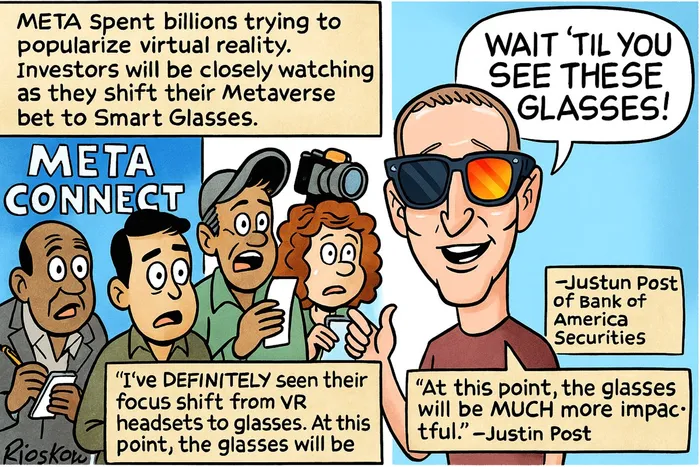
As Meta PlatformsMETA-- Inc. steps onto the stage at its annual Connect event, the spotlight falls not on the metaverse's virtual frontiers but on a pair of sleek frames poised to bridge the digital and physical worlds. After pouring billions into virtual reality with limited consumer uptake, the social media giant is pivoting hard toward smart glasses—devices that promise to weave artificial intelligence into everyday sight.
The unveiling of the Hypernova glasses, codenamed internally and rumored to debut Wednesday, marks a pivotal moment for investors eyeing the company's Reality Labs division. With losses mounting and competition heating up from AppleAAPL-- and GoogleGOOGL--, Meta's success here could validate years of aggressive spending or expose the fragility of its hardware ambitions.
A Bold Shift from VR Headsets to Wearable AI
Meta's journey in consumer hardware has been a tale of ambition tempered by reality. The Quest VR headsets, once the crown jewel of its metaverse vision, remain a niche product, struggling to break into mainstream adoption. Enter smart glasses: lighter, less intrusive, and potentially more scalable.
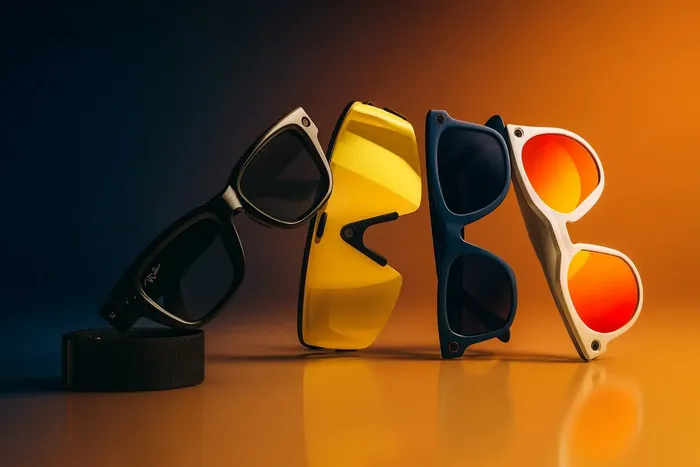
The Hypernova represents Meta's first foray into consumer-facing smart glasses with an integrated display—a small screen controllable via hand gestures through a neural-enabled wristband. This innovation builds directly on the Ray-Ban MetaMETA-- glasses launched in 2023 and the Oakley Meta HSTN unveiled in June, both fruits of a deepening partnership with EssilorLuxottica, the eyewear powerhouse behind Ray-Ban and Oakley brands.
Those earlier models, starting at $299, pack cameras, speakers, and microphones that let users summon the Meta AI assistant for tasks like snapping photos, recording video, or queuing up tunes. Sales of the Ray-Ban Meta glasses have surprised even optimists, more than tripling year-over-year according to EssilorLuxottica's July earnings report.
It's a rare bright spot in Reality Labs, where operating losses hit $4.53 billion in the second quarter alone, pushing cumulative red ink to nearly $70 billion since late 2020. Investors, while patient with the long runway, crave signs of traction. "They want to see progress that indicates potential returns on investment," notes Justin Post, an internet research analyst at Bank of AmericaBAC-- Securities.
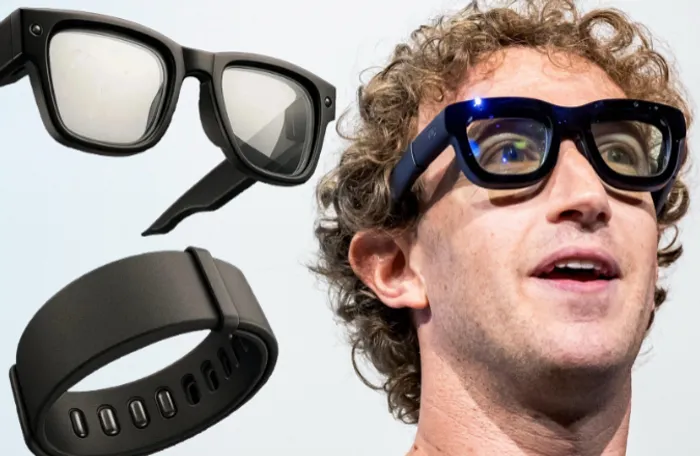
Post sees glasses as a smarter bet than VR. "I've definitely seen the company's focus shift from VR headsets to glasses," he says. "At this point, the glasses are going to be much more impactful and more mass market." The Hypernova, priced at around $800, introduces a display that, though limited in scope, edges closer to augmented reality without the bulk of full VR rigs.
It occupies a sweet spot between the no-display Ray-Ban models and the experimental OrionOEC-- AR glasses demoed at last year's Connect. Orion, paired with a wireless computing "puck," projects interactive 3D visuals onto the real world via a wristband interface. But as Anshel Sag, principal analyst at Moor Insights & StrategyMSTR--, points out, it's still a prototype—dazzling yet prohibitively expensive to produce at scale. "Delivering something like Orion at scale will take time," Sag says. Hypernova's single display, he adds, is a pragmatic step toward fostering an app ecosystem that could drive broader adoption.
The Financial Shadow of Reality Labs
Reality Labs isn't just a lab; it's Meta's $70 billion black hole, a division that's bled cash while chasing the next computing paradigm. The second-quarter loss underscores the high-wire act: Meta's core advertising business funds these experiments, but shareholders aren't infinite in their tolerance.
Wall Street understands the timeline—true payoffs could be years away—but the pressure is on to demonstrate momentum. Low internal sales projections for Hypernova, as reported in August, temper expectations, yet the event offers a chance to spark buzz and validate the pivot.
Leo Gebbie, director and analyst at CCS Insight, views Connect as a breakthrough opportunity. "It really feels like a chance to break through with a really new product category," he says, citing the Ray-Ban success as proof that consumers are warming to AI-infused eyewear. The promotional video that briefly surfaced on Meta's YouTube page Monday—later yanked—hinted at the device's sleek design and gesture controls, fueling speculation about its appeal. At $800, though, Hypernova courts risk: it's more than double the Ray-Ban price, potentially pricing out early adopters in a market still proving itself.
Meta's recent AI maneuvers add another layer. In June, the company dropped $14.3 billion into Scale AI, signaling a strategic pivot to supercharge its hardware with advanced intelligence. Post believes glasses could eclipse smartphones as an AI portal. "If they get the integration right with devices, it really could be a better portal for AI than even phones," he argues. The wristband's neural tech, enabling intuitive gestures, positions Hypernova as a hands-free command center—ideal for Meta AI's voice and visual capabilities.

Yet execution hinges on more than hardware polish. Sag emphasizes the need for a vibrant developer ecosystem. "Meta has the money and technical talent to build its smart glasses," he says, "but it needs to cultivate an ecosystem of developers who will build compelling apps and software that captivate consumers." Without apps that solve real pain points—think seamless navigation, instant translations, or augmented productivity—Hypernova risks gathering dust like past VR flops.
Navigating Competition and Consumer Skepticism
Meta's glasses ambition isn't unfolding in a vacuum. The company envisions smart eyewear as the successor to smartphones, a personal computing platform where digital overlays enhance reality. But giants like Apple and Google loom large, dominating with iOS and Android ecosystems that could seamlessly extend to wearables.
Apple is reportedly advancing its own glasses project, while Google in May inked a $150 million deal with Warby ParkerWRBY-- to co-develop smart frames. "The fact that everyone is now developing glasses suggests that Meta’s Reality Labs concept was well conceived, and they’re out in front at this point on glasses," Post observes. The real question, he adds, is whether rivals can leverage their mobile OS dominance to drive adoption faster.
For Meta, the consumer verdict is paramount. Gebbie warns of rejection if Hypernova feels gimmicky or overpriced. At twice the Ray-Ban cost, it must deliver tangible value—perhaps through that nascent display showing notifications, directions, or AI insights without pulling out a phone. Internal buzz targets are modest, but a strong unveiling could shift perceptions, much like the Ray-Ban launch did. Meta declined to comment, leaving analysts to parse the tea leaves.
The Road Ahead: Returns or More Red Ink?
As Connect unfolds, Hypernova isn't just a product reveal; it's a referendum on Meta's hardware strategy. The glasses could accelerate Reality Labs' path to profitability by tapping mass-market demand, blending AI seamlessly into daily life. Success here might justify the $70 billion sunk cost, proving smart eyewear's viability against smartphone inertia. Failure, however, could intensify scrutiny on the division's spending, forcing further cuts or a retreat.
Investors will dissect every demo, every spec, for hints of ecosystem momentum. With Ray-Ban's tripled sales as a foundation and AI integrations as the hook, Meta has a shot at leading the charge. But in a field where Apple and Google circle, the margin for error is razor-thin. Hypernova's debut could ignite the spark—or remind everyone why VR headsets gathered cobwebs. For now, the stage is set, and the financial world is watching.

Stay ahead of the market.
Get curated U.S. market news, insights and key dates delivered to your inbox.
AInvest
PRO
AInvest
PRO



Comments
No comments yet