
Meta Faces $8 Billion Lawsuit Over Cambridge Analytica Privacy Risks
 Aime Summary
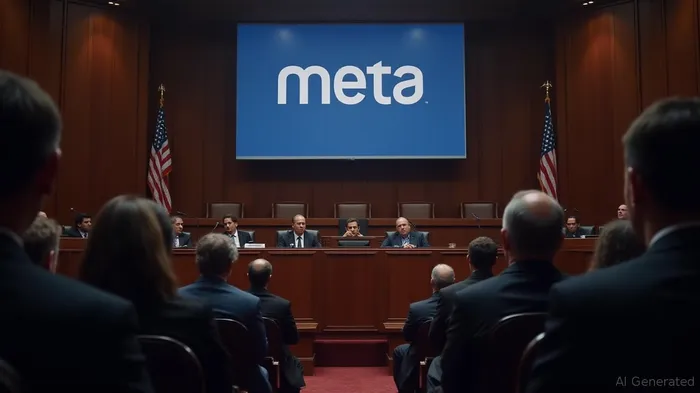
A trial commenced in Delaware this week, with MetaMETA-- Platforms shareholders suing the company's CEO, Mark Zuckerberg, and other current and former leaders. The lawsuit seeks $8 billion in damages, alleging that Meta and its executives failed to adequately disclose privacy risks associated with the Cambridge Analytica scandal. The scandal, which unfolded in 2018, involved the misuse of personal data from millions of Facebook users by the political consulting firm Cambridge Analytica.
The plaintiffs argue that Meta violated a 2012 consent order with the Federal Trade Commission (FTC), which required the company to obtain user consent before collecting and sharing personal data. Despite this agreement, Meta is accused of selling user data to commercial partners and removing necessary disclosures from privacy settings. The fallout from these actions resulted in a $5.1 billion penalty from the FTC, significant fines in Europe, and a $725 million privacy settlement with users. Shareholders are now seeking reimbursement for these costs, which they estimate to exceed $8 billion.
The trial, which is expected to last through late next week, will feature testimony from key figures, including Zuckerberg and former chief operating officer Sheryl Sandberg. Other witnesses are expected to include board members Marc Andreessen and Peter Thiel, as well as privacy expert Neil Richards and former Facebook board member Jeffrey Zients. Richards testified that Meta's privacy disclosures were misleading, while Zients acknowledged the significance of the FTC fine but supported the settlement to allow the company to move forward.
Meta had hoped the Supreme Court would dismiss the case, but the justices decided not to take it up, leaving in place an appellate ruling that allowed the trial to proceed. The judge is not expected to rule for several months. The outcome of this trial could have significant implications for Meta's leadership and its approach to user privacy, as well as for the broader tech industry.
This lawsuit underscores the ongoing scrutiny and legal challenges faced by Meta in the wake of the Cambridge Analytica scandal. The allegations of misconduct and the subsequent penalties highlight the importance of transparency and compliance with regulatory requirements in the tech industry. The trial's proceedings and the eventual ruling will be closely watched by industry observers and stakeholders, as they could set precedents for future cases involving data privacy and corporate governance.
The testimony from witnesses such as Neil Richards and Jeffrey Zients provides insights into the internal discussions and decisions made by Meta's leadership during the scandal. Richards' assertion that Meta's privacy disclosures were misleading adds weight to the plaintiffs' claims, while Zients' support for the FTC settlement suggests a pragmatic approach to resolving the issue and moving the company forward. The upcoming testimonies from Zuckerberg and Sandberg are anticipated to shed further light on the company's handling of the scandal and its commitment to user privacy.
The trial's duration and the complexity of the case indicate that a resolution may take several months. The judge's eventual ruling will determine the liability of Meta's leaders and the extent to which they are held accountable for the privacy violations. The outcome could also influence future regulatory actions and industry practices, emphasizing the need for robust data protection measures and transparent communication with users.

Stay ahead of the market.
Get curated U.S. market news, insights and key dates delivered to your inbox.




Comments
No comments yet