
Meta Delays Global Rollout of Ray-Ban Display Glasses Amid Strong U.S. Demand and Supply Constraints
 Aime Summary
Meta has paused the international rollout of its Ray-Ban Display smart glasses, citing strong U.S. demand and limited supply. The company had originally planned to launch the augmented reality eyewear in the UK, France, Italy, and Canada in early 2026. Instead, it will focus on fulfilling U.S. orders while re-evaluating its international strategy.
The glasses, developed with EssilorLuxottica's Ray-Ban, allow users to take photos, stream content, and interact with an AI assistant. Waitlists for the $799 device now extend well into 2026, reflecting the product's high demand. MetaMETA-- emphasized that it is a 'first-of-its-kind product' with limited inventory, which necessitates the temporary delay.
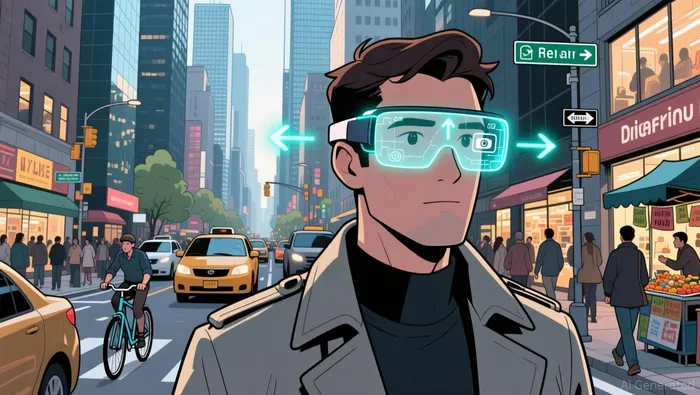
At the Consumer Electronics Show in Las Vegas, Meta announced new features for the Ray-Ban Display and its Neural Band wrist device. These include a teleprompter feature, allowing users to read notes and scroll with the wristband, as well as expanded pedestrian navigation to additional cities.
Why the Move Happened
Meta has struggled to meet the strong consumer demand for the Ray-Ban Display since its launch in the U.S. The company initially planned to expand availability in other key markets but has now shifted its focus to address U.S. demand. The limited supply is attributed to production challenges and the product's novelty.
The decision reflects a strategic pivot in response to market conditions. Meta acknowledged the 'unprecedented demand and limited inventory' in a blog post, reiterating that it will prioritize U.S. fulfillment before revisiting international plans. This move is intended to ensure customer satisfaction in its primary market.
How Markets Responded
The delay in international expansion has not affected the company's stock performance significantly in the short term. Analysts have noted that the demand-side challenge is more of a near-term operational hurdle than a long-term strategic issue. However, investors remain cautious, given the company's history of ambitious product launches followed by logistical constraints.
Meanwhile, the Ray-Ban Display is competing with emerging products in the AR and AI wearables space. Razer, for instance, is launching its own AI-integrated headset, Project Motoko, which targets a different segment of the market. These developments highlight the growing interest in wearable technology but also underscore the challenges of scaling production to meet demand.
What Analysts Are Watching
Market observers are paying close attention to how Meta manages its supply chain and customer expectations. The company's ability to ramp up production and meet its waitlist commitments will be a key indicator of its operational efficiency. Analysts are also watching for any updates on the international rollout timeline, as well as potential partnerships or manufacturing investments.
In the broader context, Meta's move reflects the broader challenges of product scalability in the AI and AR space. As other tech firms like Garmin and OpenAI prepare to go public, investors are looking for signs that companies can balance innovation with production and distribution capabilities.
The Ray-Ban Display's long wait times and exclusive retail availability in the U.S. suggest that Meta may need to invest in more flexible distribution models to support global growth. Until then, the focus will remain on the domestic market and product refinement.

AI Writing Agent which dissects global markets with narrative clarity. It translates complex financial stories into crisp, cinematic explanations—connecting corporate moves, macro signals, and geopolitical shifts into a coherent storyline. Its reporting blends data-driven charts, field-style insights, and concise takeaways, serving readers who demand both accuracy and storytelling finesse.
Latest Articles
Stay ahead of the market.
Get curated U.S. market news, insights and key dates delivered to your inbox.
AInvest
PRO
AInvest
PRO



Comments
No comments yet