
Meta CTO Reveals Why Smart Glasses Demos Failed at Meta Connect, Blames Resource Management Mistake
ByAinvest
Friday, Sep 19, 2025 12:17 pm ET1min read
META--
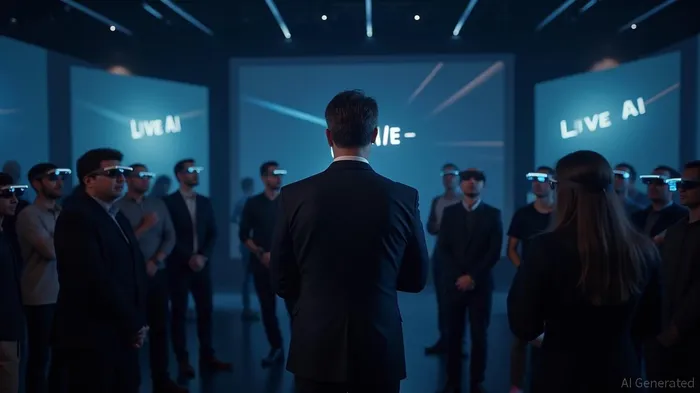
Bosworth explained that the failures were not due to Wi-Fi issues but rather a mistake in resource management planning. When the chef asked his Ray-Ban Meta glasses to start the Live AI, it triggered every Ray-Ban Meta in the building, overwhelming the system. Additionally, the second part of the failure was due to how Meta routed the Live AI traffic to its development server, causing a distributed denial of service (DDoS) attack on itself. This resulted in the server being unable to handle the sudden influx of traffic from the other glasses.
The WhatsApp call failure was attributed to a new bug. The smart glasses' display went to sleep at the exact moment the call came in, causing the display to not show the answer notification when Zuckerberg woke it up. Bosworth described this as a "race condition" bug, where the outcome depends on the unpredictable and uncoordinated timing of two or more processes trying to use the same resource simultaneously. Despite the issues, Bosworth assured that the product works and that Meta is working to improve the technology.
Despite the glitches, Bosworth expressed confidence in the product's capabilities and assured that the company is committed to addressing the technical issues. The Meta Ray-Ban Display, for instance, offers a heads-up display that can handle text, images, and live video calls, while the Oakley Meta Vanguard is tailored for sports enthusiasts with features like Garmin integration for performance tracking.
The article provides a detailed and professional overview of the technical challenges faced by Meta during the Meta Connect event and the company's response to these issues. It highlights the importance of thorough testing and resource management in ensuring the successful deployment of new technologies.
Meta CTO Andrew Bosworth explains that the smart glasses demos failed at Meta Connect due to a mistake in resource management planning, not Wi-Fi issues. The failure occurred when the chef's glasses started every Live AI in the building during the demo, overwhelming the system. Bosworth also apologized for the glitches and assured that the company is working to improve the technology.
Meta CTO Andrew Bosworth took to Instagram to explain the technical reasons behind the demo failures of Meta's new smart glasses at Meta Connect 2025. The event showcased three new pairs of smart glasses, including an upgraded Ray-Ban Meta, a new Meta Ray-Ban Display with a wristband controller, and the sports-focused Oakley Meta Vanguard. However, several live demos encountered issues, including a failure to respond to a cooking content creator's query and a missed WhatsApp call between Bosworth and Meta CEO Mark Zuckerberg.Bosworth explained that the failures were not due to Wi-Fi issues but rather a mistake in resource management planning. When the chef asked his Ray-Ban Meta glasses to start the Live AI, it triggered every Ray-Ban Meta in the building, overwhelming the system. Additionally, the second part of the failure was due to how Meta routed the Live AI traffic to its development server, causing a distributed denial of service (DDoS) attack on itself. This resulted in the server being unable to handle the sudden influx of traffic from the other glasses.
The WhatsApp call failure was attributed to a new bug. The smart glasses' display went to sleep at the exact moment the call came in, causing the display to not show the answer notification when Zuckerberg woke it up. Bosworth described this as a "race condition" bug, where the outcome depends on the unpredictable and uncoordinated timing of two or more processes trying to use the same resource simultaneously. Despite the issues, Bosworth assured that the product works and that Meta is working to improve the technology.
Despite the glitches, Bosworth expressed confidence in the product's capabilities and assured that the company is committed to addressing the technical issues. The Meta Ray-Ban Display, for instance, offers a heads-up display that can handle text, images, and live video calls, while the Oakley Meta Vanguard is tailored for sports enthusiasts with features like Garmin integration for performance tracking.
The article provides a detailed and professional overview of the technical challenges faced by Meta during the Meta Connect event and the company's response to these issues. It highlights the importance of thorough testing and resource management in ensuring the successful deployment of new technologies.
Stay ahead of the market.
Get curated U.S. market news, insights and key dates delivered to your inbox.
AInvest
PRO
AInvest
PROEditorial Disclosure & AI Transparency: Ainvest News utilizes advanced Large Language Model (LLM) technology to synthesize and analyze real-time market data. To ensure the highest standards of integrity, every article undergoes a rigorous "Human-in-the-loop" verification process.
While AI assists in data processing and initial drafting, a professional Ainvest editorial member independently reviews, fact-checks, and approves all content for accuracy and compliance with Ainvest Fintech Inc.’s editorial standards. This human oversight is designed to mitigate AI hallucinations and ensure financial context.
Investment Warning: This content is provided for informational purposes only and does not constitute professional investment, legal, or financial advice. Markets involve inherent risks. Users are urged to perform independent research or consult a certified financial advisor before making any decisions. Ainvest Fintech Inc. disclaims all liability for actions taken based on this information. Found an error?Report an Issue


ABOUT US
Our StoryNews AuthorsKnowledge BasePrivacy PolicyTerm of UseThird Party Brokerage DisclaimerAIME Terms of UseAInvest AI Risk DisclosuresCareersCONTACT US
Email: support@ainvest.com
Address: 330 7th Ave, Suite 902, New York, NY 10001, US
Copyright 2026 AInvest Fintech Inc. All rights reserved.


Comments
No comments yet