
Meta's Billion-Dollar AI Data Center Plan Sparks Water, Electricity Concerns
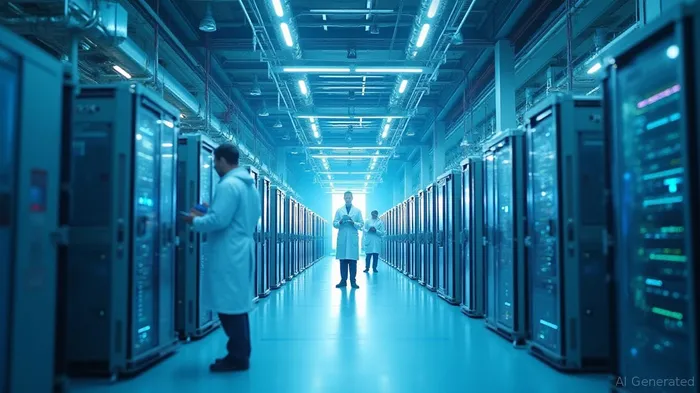
Meta's Chief Executive Officer recently declared an ambitious plan to invest several billion dollars in constructing multiple large-scale AI data centers. This initiative aims to advance the development of what the CEO described as "super intelligence." The company is planning to build a data center with a capacity of 5 gigawatts, which is large enough to cover a significant portion of Manhattan. This announcement has sparked concerns about the availability of water and electricity resources, as the construction and operation of such data centers require substantial amounts of these resources. The rapid increase in demand for these resources has raised concerns about their sustainability and availability, especially in regions where water and electricity are already scarce. The construction of these data centers is expected to have a significant impact on the local environment and infrastructure, and it remains to be seen how the company will address these challenges.
One of the primary concerns is the significant amount of water required to operate these data centers. For instance, a data center built by MetaMETA-- in Newton County, Georgia, has already led to water shortages in the surrounding area, with residents experiencing dry taps for years. The facility consumes approximately 500,000 gallons of water daily, accounting for about 10% of the county's total water usage. This issue is not isolated to Newton County; similar water resource problems have been reported in other regions, including Texas, Arizona, and Louisiana. In Phoenix, some construction projects have been halted due to the increased strain on water resources caused by data centers. In Colorado, the water usage by data centers has become a focal point in renegotiating the Colorado River water resource agreement.
In addition to water, the electricity demand for these data centers is also a major concern. The expansion of a data center project by CoreWeaveCRWV-- near Dallas has doubled the city's electricity demand. This increased demand for electricity has implications for the nation's energy policy. The U.S. Energy Secretary recently highlighted the importance of AI in converting electricity into valuable intelligence, emphasizing the need to accelerate the production of all base-load energy sources, including coal, nuclear, geothermal, and natural gas. This shift in energy policy is aimed at meeting the growing demand for electricity from data centers and other AI-related infrastructure.
The construction of these data centers is part of a broader strategy by Meta to attract top talent in the AI field. The CEO emphasized that the company will have industry-leading computing power and that researchers will have access to more computing resources per person than at other institutions. This initiative is seen as a way to compete with other tech giants for top AI talent. The company has already made significant investments in AI research and development, including the establishment of a new "Super Intelligence Lab" and the hiring of top AI talent from competitors. The CEO also highlighted the company's strong advertising business as a source of funding for these ambitious projects.
However, the rapid expansion of data centers and the associated resource demands raise questions about the long-term sustainability of these projects. The increased demand for water and electricity could lead to shortages in regions where these resources are already scarce. Additionally, the environmental impact of these data centers, including their carbon footprint and impact on local ecosystems, is a growing concern. As the demand for AI and data processing continues to grow, it will be crucial for companies like Meta to address these challenges and develop sustainable solutions for the construction and operation of data centers.

Stay ahead of the market.
Get curated U.S. market news, insights and key dates delivered to your inbox.




Comments
No comments yet