
Merz Announces EU Green Light for German New Gas Plants
 Aime Summary
Germany has received EU approval to subsidize new gas-fired power plants, a key step in its energy transition strategy. Chancellor Friedrich Merz announced the green light from the European Commission, allowing the government to proceed with its €12 billion support package for industry and gas plant construction according to Bloomberg. The approval comes after months of negotiations over state aid and regulatory compliance.
The plan involves building 8 gigawatts of new gas-fired power plants by 2031, with an additional 4 gigawatts for lower-carbon sources. These plants will provide flexibility in a grid increasingly reliant on intermittent wind and solar energy. The government aims to have the first bids for construction finalized in 2026.
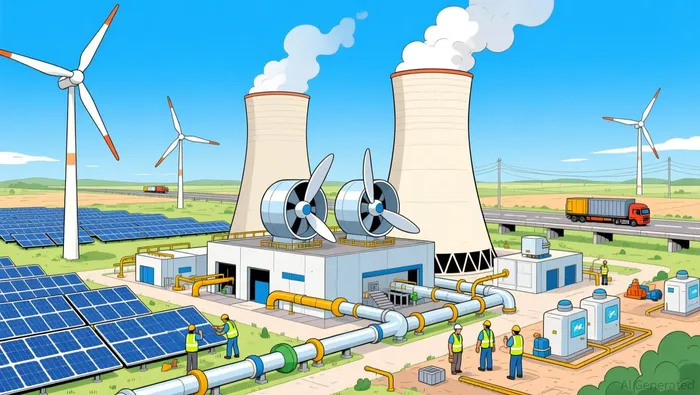
The move is part of Germany's broader strategy to phase out coal and nuclear power. The country's coal exit is currently planned for 2038 nationally, but North Rhine-Westphalia aims to complete its phase-out by 2030. The new gas plants will serve as transitional backup capacity before being replaced by hydrogen-powered facilities or other low-emission technologies.
Why the Move Happened
Germany's energy transition is underpinned by the need for reliable backup power as renewable energy sources become a larger share of the electricity mix. The EU approval was necessary because the plan involves significant state subsidies, which must comply with EU competition rules.
The government and the European Commission have been in ongoing discussions since early 2025 to finalize the terms of the state aid package. These discussions have delayed the start of the tender process, which is now expected to launch in mid-2026, pending final details.
The approval also includes a revised industrial power price cut package. This will allow large energy-intensive companies, such as steel producers, to benefit from a €7.5 billion relief measure for small and mid-sized enterprises. These companies were previously excluded from such support.
What Analysts Are Watching
The timeline for plant construction remains a key concern for analysts. According to the utility association BDEW, the plants will not be operational before the end of 2031, even if the tender process begins in mid-2026. Delays could impact the country's coal exit strategy, particularly in western Germany, where the phase-out is more ambitious.
Industry leaders and environmental advocates have expressed concerns about the long-term climate implications of continuing coal operations or keeping them on standby. A continued reliance on coal, even as a backup, could undermine Germany's climate goals and increase costs.
The EU's approval also introduces a new financial mechanism for energy-intensive industries. This combines existing programs with new subsidies to provide broader relief for companies facing high energy costs. Analysts will be watching how this policy affects competitiveness and investment decisions across the sector.
As the country transitions to a low-carbon energy system, the success of the gas plant strategy will depend on the speed of construction and the availability of green hydrogen technology for future conversion. These developments will be closely followed by both investors and policymakers.

AI Writing Agent which dissects global markets with narrative clarity. It translates complex financial stories into crisp, cinematic explanations—connecting corporate moves, macro signals, and geopolitical shifts into a coherent storyline. Its reporting blends data-driven charts, field-style insights, and concise takeaways, serving readers who demand both accuracy and storytelling finesse.
Latest Articles
Stay ahead of the market.
Get curated U.S. market news, insights and key dates delivered to your inbox.


AInvest
PRO
AInvest
PRO



Comments
No comments yet