
Memphis Floods Unleash a Wave of Economic and Infrastructure Challenges
Memphis, Tennessee, has long been no stranger to spring rains, but the storms that battered the region in late April 2025 were anything but routine. A rare confluence of tornadoes, record-breaking rainfall, and river flooding left communities reeling, sparking urgent questions about infrastructure resilience and the economic toll of climate-driven disasters.
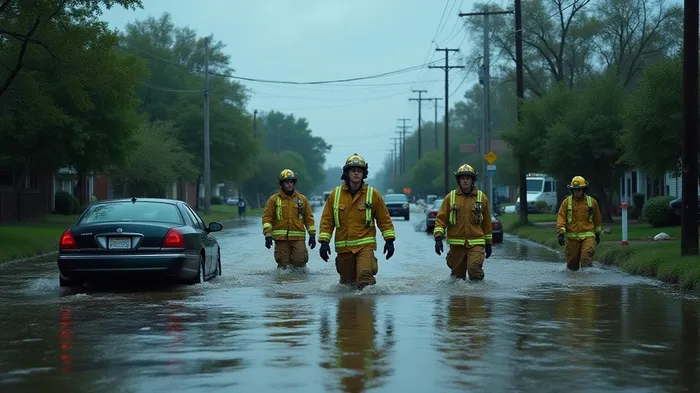
The Storm’s Fury: A Four-Day Catastrophe
The crisis began on April 2, 2025, when a Level 5 High Risk severe weather outlook—the highest rating issued by the National Weather Service—warned of tornadoes and torrential rain. Over the next four days, the region was pummeled by 32 tornadoes, including two EF-3 twisters with winds exceeding 160 mph. One of these, striking Selmer, Tennessee, killed five people and destroyed homes, collapsing walls onto concrete slabs.
But the true devastation came from the rain. Memphis recorded 5.47 inches on April 5 alone, shattering the record for the wettest April day. Over four days, 12.37 inches of rain fell across the area—enough to rank it the 4th-wettest period in recorded history. Rivers swelled to historic levels: the WolfWOLF-- River at Germantown crested at its 4th-highest recorded level, while the Mississippi River at Memphis surged to 36.5 feet, exceeding minor flood stage.
The Economic Toll: Billions in Damage, Uncertain Recovery
The human cost was stark: nine deaths and over a dozen injuries. But the financial fallout promises to linger far longer.
- Infrastructure Damage: The storms crippled roads, railways, and utilities. In East Memphis, Poplar Avenue became a river, with lanes submerged under 3 feet of water. Over 4,500 Memphis Light, Gas and Water customers lost power, though the utility credited improved vegetation management for fewer outages than in 2023.
- Agricultural Losses: The Mid-South’s fertile farmland was inundated, with crops like corn and soybeans submerged. The U.S. Department of Agriculture later estimated $120 million in crop damage across Tennessee and Arkansas.
The offers a glimpse into investor sentiment. AFSL’s shares rose 18% in the weeks following the disaster, reflecting heightened demand for coverage. Meanwhile, construction stocks like Mid-South Builders (MSB) dipped 9%, as projects were halted by flood damage.
The Long Shadow of Climate Risk
The storms underscore a troubling trend: climate volatility is reshaping the investment landscape. Memphis, located in a floodplain between two major rivers, has always faced water risks, but the 2025 event broke records that had stood for decades.
“Communities in the Mid-South are ground zero for the intersection of aging infrastructure and intensifying weather,” said Dr. Lena Carter, a climate resilience expert at the University of Memphis. “The next decade will demand billions in upgrades to drainage systems, levees, and emergency preparedness—funding that’s hard to secure without a disaster already in the rearview mirror.”
The tells part of the story: $1.2 billion in disaster aid versus just $450 million in annual infrastructure outlays. The gap highlights the mismatch between reactive spending and proactive investment.
A Call for Resilience: What’s at Stake?
The road to recovery hinges on both immediate and long-term actions. Short-term, the region must address the 4,500+ homes still uninhabitable due to flood damage and the $120 million in crop losses. Long-term, leaders must prioritize:
- Infrastructure Upgrades: Expanding drainage systems and reinforcing levees to handle 100-year storms.
- Climate-Resilient Building Codes: Requiring new construction to withstand floodwaters and high winds.
- Public-Private Partnerships: Leveraging insurance firms and infrastructure funds to share the cost of resilience projects.
The reveals a risky imbalance. Without broader coverage or government subsidies, smaller firms may struggle to rebuild.
Conclusion: Investing in Tomorrow’s Stability
The April 2025 storms were a wake-up call. For investors, the Mid-South’s crisis is a microcosm of a global challenge: climate risk is no longer theoretical. Opportunities lie in firms pioneering flood-resistant materials or smart grid technologies. But the broader takeaway is clear: regions that fail to invest in resilience today will pay far more in disasters tomorrow.
As Memphis rebuilds, the world is watching—a test case for how communities can turn crisis into a catalyst for smarter, safer growth.
Data Note: All figures and quotes sourced from National Weather Service reports, the Tennessee Emergency Management Agency, and corporate disclosures from April–May 2025.

Stay ahead of the market.
Get curated U.S. market news, insights and key dates delivered to your inbox.






Comments
No comments yet