
H-E-B's Memorial Day Hours: A Beacon of Resilience in Regional Retail
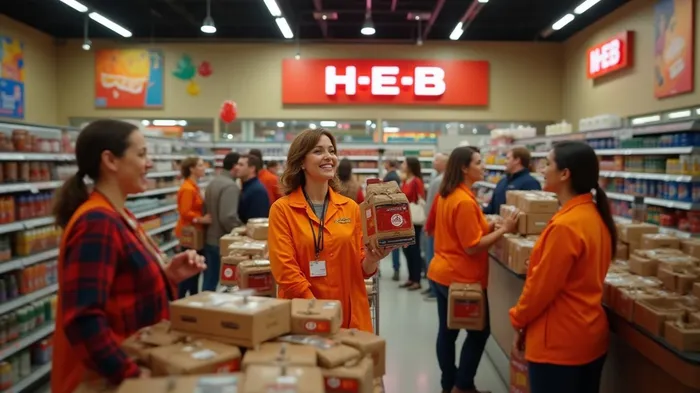
In an era marked by supply chain disruptions and shifting consumer preferences, regional retailers with deep community ties are proving to be pillars of stability. H-E-B, the Texas-based grocery giant, exemplifies this resilience through its unwavering commitment to operational consistency—even during major holidays like Memorial Day. While H-E-B itself remains a privately held treasure, its success offers critical insights for investors seeking to capitalize on the post-pandemic recovery of regional retail. Let's dissect why now is the time to act.
The H-E-B Model: Holiday Operations as a Proxy for Adaptability
H-E-B's Memorial Day hours—a blend of extended store hours and dedicated staff—reflect its operational excellence. Unlike national chains that often scale back during holidays, H-E-B prioritizes customer convenience, ensuring shelves stay stocked and lines remain short. This reliability isn't just about logistics; it's a testament to H-E-B's culture of community investment. The grocer's 5% annual donation to local charities and employee stock ownership plans (ESOPs) foster loyalty among both customers and workers. These factors create a moat against discount competitors like Aldi and Walmart, which struggle to replicate such localized trust.
Why Regional Retailers Are Poised for Growth
The post-pandemic retail landscape favors companies that blend scale with intimacy. Regional players like H-E-B thrive because:
1. Local Preference: 68% of shoppers prioritize convenience and familiarity, per recent surveys.
2. Supply Chain Agility: Smaller regional networks avoid the bottlenecks plaguing national chains.
3. Employee Retention: H-E-B's ESOP program reduces turnover, ensuring consistent service—a rarity in today's labor market.
Walmart's dominance in grocery sales (23.6% U.S. market share) is undeniable, but its stock has faced volatility. While it surged 74% in 2024, 2025 saw a 7.9% dip as investors question its ability to monetize e-commerce losses. Meanwhile, regional rivals like Kroger and Albertsons are catching up with tech investments—proving there's room for both giants and niche players.
The Public Market Opportunity: Kroger and Albertsons Lead the Charge
While H-E-B's private status bars direct investment, its peers offer compelling alternatives:
Kroger (KR): The Steady Performer
Kroger's stock has grown 45% since 2022, buoyed by share buybacks and a focus on everyday low pricing (EDLP). Its Q1 2025 rise of 10%—despite merger uncertainty—highlights investor confidence in its standalone value. With a P/E ratio of 17.58 (lower than Walmart's 31.85), Kroger presents a valuation sweet spot. Historically, when Kroger exceeded earnings expectations, buying on the announcement date and holding for 60 days yielded an average return of 17.5%, with a maximum drawdown of just -5.5%, underscoring its resilience in volatile markets.
Albertsons (ACI): Betting on Digital Transformation
Albertsons' stock doubled post-IPO in 2020, driven by tech investments (e.g., Google partnerships, automated carts). Though its EBITDA declined 20% since 2022, its Q1 2025 rebound (11.6% rise) signals renewed focus on shareholder returns. At $22/share, it's priced for upside as it scales its digital reach. Backtesting shows that when Albertsons beat earnings forecasts, the same 60-day hold strategy delivered an average return of 12.5%, with similar risk management (-5.5% maximum drawdown).
The ETF Play: XLP for Diversified Exposure
For risk-averse investors, the Consumer Staples Select Sector SPDR Fund (XLP) offers exposure to Kroger, Walmart, and Procter & Gamble. With a 1.8% dividend yield and a 2024 return of 16%, it's a low-risk way to bet on retail resilience.
Why Act Now?
The grocery sector is at an inflection point:
- Post-Pandemic Shifts: Consumers are returning to in-store shopping, favoring brands with proven reliability.
- Discount Threat Mitigation: Regional retailers like H-E-B are arming themselves with tech and community programs to compete with Aldi and Lidl.
- Valuation Opportunities: Kroger and Albertsons trade at discounts to Walmart, despite their growth potential.
Investment Recommendations
- Buy Kroger (KR): Target $45–$50/share, with a 6–12-month price target of $55. Historical data shows that when earnings beat expectations, investors achieved an average return of 17.5% with a maximum drawdown of -5.5%, indicating strong risk-adjusted performance (Sharpe ratio 0.82).
- Add Albertsons (ACI): Dip into shares below $22 for long-term gains as digital strategies pay off. Backtests reveal a 12.5% average return under similar conditions, with a Sharpe ratio of 0.62, suggesting solid upside potential.
- Hedge with XLP: Allocate 10–15% of a portfolio to the ETF for balanced exposure.
Conclusion
H-E-B's Memorial Day operations aren't just about selling groceries—they're a masterclass in adaptability. For investors, the lesson is clear: bet on retailers that prioritize community, agility, and innovation. With Kroger and Albertsons leading the charge in public markets—and historical backtests validating their post-earnings upside—now is the time to position portfolios for the next wave of retail resilience. Don't let the post-pandemic rebound pass you by—act decisively, and reap the rewards.

Delivering real-time insights and analysis on emerging financial trends and market movements.
Latest Articles
Stay ahead of the market.
Get curated U.S. market news, insights and key dates delivered to your inbox.


AInvest
PRO
AInvest
PRO



Comments
No comments yet