
The Meme Stock Ecosystem: How Design and Incentives Fuel Retail-Driven Volatility
 Aime Summary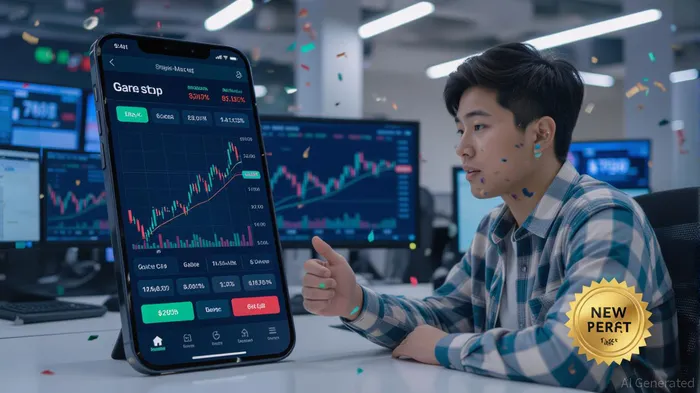
The rise of meme stocks—assets like GameStopGME-- (GME), AMC EntertainmentAMC-- (AMC), and Dogecoin (DOGE)—has upended traditional market dynamics, creating a new era of retail-driven volatility. At the heart of this phenomenon lies a complex ecosystem shaped by platform design, financial incentives, and regulatory frameworks. These elements, often operating in tandem, amplify speculative behavior and distort market outcomes. For investors, understanding this ecosystem is critical to navigating the risks and opportunities it presents.
The Gamification of Trading: A Behavioral Catalyst
Modern trading platforms have transformed investing into a game. Features like confetti animations, achievement badges, and simplified interfaces—common on apps such as Robinhood and Webull—leverage behavioral psychology to encourage frequent trading. A 2025 study in the Journal of Behavioral and Experimental Finance found that gamified elements increased trading volume by 5.17%, with 70% of this growth attributed to self-selection: users predisposed to risk-taking and overconfidence were disproportionately drawn to these platforms.
This design creates a feedback loop. Lower financial literacy users, who are more likely to engage with gamified platforms, adopt noisy, speculative strategies. Meanwhile, platforms benefit from increased transaction volume, which, in a zero-commission model, is monetized through alternative revenue streams like payment for order flow (PFOF). The result is a market where retail investors trade not for fundamentals but for the thrill of the game—and the social validation of sharing wins on platforms like Reddit's WallStreetBets.
Payment for Order Flow: Incentives That Skew Behavior
PFOF, the practice of brokers receiving payments from market makers for routing trades, has become a cornerstone of the zero-commission model. A 2022 study revealed that 65% of PFOF revenue for brokers comes from options trading, where wider bid-ask spreads generate higher rebates. This creates a financial incentive for brokers to encourage trading in products with higher PFOF margins, such as options or non-S&P 500 equities.
The implications for meme stocks are profound. During the 2021 GameStop frenzy, brokers like Robinhood faced scrutiny for temporarily restricting trades in GME and AMC, allegedly to manage risk or protect their PFOF revenue streams. While the SEC has not banned PFOF, its 2021 report on the GME episode noted that brokers may inadvertently encourage speculative trading to sustain their revenue. This misalignment of incentives—where brokers profit from retail investors' activity—exacerbates volatility and undermines market integrity.
Regulatory Frameworks: A Delicate Balance
Regulators have struggled to keep pace with the evolving market structure. The SEC's withdrawal of Trump-era rules aimed at curbing PFOF and enhancing best execution standards has left the current system largely intact. While updated regulations like Rule 605 now require brokers to disclose execution quality metrics, critics argue these measures lack teeth. The EU's phased-out approach to PFOF by 2026 contrasts with the U.S.'s more permissive stance, highlighting divergent regulatory philosophies.
The absence of stringent oversight has allowed meme stock volatility to persist. For example, reveal periods of extreme swings, often coinciding with social media-driven hype. While Tesla's fundamentals justify some of its valuation, the interplay of retail sentiment and platform design has amplified noise, creating a market where price movements are as much about psychology as economics.
Social Media and the Illusion of Control
Social media platforms act as both catalysts and amplifiers of speculative behavior. Online forums like Reddit's WallStreetBets foster a sense of community and shared purpose, where retail investors coordinate trades and validate each other's decisions. This collective action, as noted in academic analyses, reinforces behavioral biases like overconfidence and herd mentality.
The 2021 GameStop short squeeze exemplifies this dynamic. Retail investors, emboldened by social media, coordinated to drive up GME's price, challenging institutional short sellers. While this was a victory for retail investors, it also exposed systemic risks: market makers and brokers, incentivized by PFOF, may have indirectly benefited from the volatility. The SEC's 2021 report acknowledged these risks, warning that such episodes could erode investor trust and destabilize markets.
Investment Advice: Navigating the Meme Stock Ecosystem
For investors, the meme stock ecosystem presents both opportunities and pitfalls. Here's how to approach it:
- Assess the Ecosystem, Not Just the Stock: Understand the incentives of the platforms you use. Brokers reliant on PFOF may prioritize volume over value, pushing you toward speculative assets.
- Mitigate Behavioral Biases: Recognize the role of overconfidence and herd behavior. Set strict stop-loss limits and avoid trading based on social media sentiment.
- Diversify and Hedge: Meme stocks are inherently volatile. Pair speculative bets with hedging strategies, such as options or inverse ETFs, to manage downside risk.
- Advocate for Transparency: Support regulatory reforms that enhance execution quality and investor education. A well-informed retail base can reduce the influence of gamified platforms.
Conclusion: A Market in Flux
The meme stock phenomenon is a symptom of a broader shift in financial markets. The alignment of gamified platforms, PFOF incentives, and social media has created an environment where speculative trading thrives. While this has democratized access to markets, it has also introduced new risks. For regulators, the challenge is to balance innovation with investor protection. For investors, the lesson is clear: in a market driven by design and incentives, understanding the ecosystem is as important as understanding the stock itself.

Delivering real-time insights and analysis on emerging financial trends and market movements.
Latest Articles
Stay ahead of the market.
Get curated U.S. market news, insights and key dates delivered to your inbox.
AInvest
PRO
AInvest
PRO



Comments
No comments yet