
Meme Coin Volatility and Speculative Behavior: A Behavioral Finance Perspective
 Aime Summary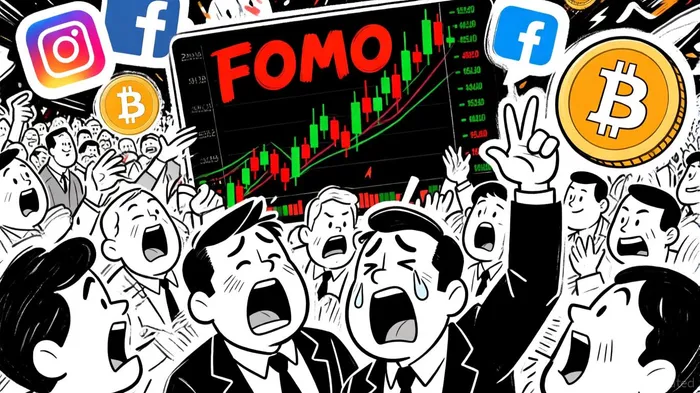
The rise of memeMEME-- coins—cryptocurrencies like DogecoinDOGE--, Shiba InuSHIB--, and Floki—has redefined speculative investing in the digital age. These assets, often born from internet humor or viral trends, thrive on community-driven hype and social media momentum. Yet their extreme volatility and lack of intrinsic value make them a textbook case for behavioral finance theories. From fear of missing out (FOMO) to herd mentality, retail investors' psychological biases are both the engine and the flaw of meme coin markets.
The Psychology of Speculation: FOMO and Herd Behavior
Meme coin trading is driven by a potent cocktail of behavioral biases. FOMO, or the fear of missing out, compels investors to jump into rising markets without due diligence. A 2024 study notes that social media platforms like RedditRDDT-- and X.com amplify this effect, turning viral trends into speculative frenzies[1]. For example, Dogecoin's price surges in 2023 and 2024 were largely fueled by influencer endorsements and Reddit threads, with little regard for fundamentals[2].
Herd behavior further exacerbates these dynamics. Retail investors often follow the crowd, assuming collective wisdom will protect them from losses. This “social proof” bias is particularly pronounced in meme coin markets, where trading decisions are shaped by echo chambers on platforms like Discord and Telegram[3]. A 2023 analysis of meme stock rallies (e.g., GameStopGME-- in 2021) found that coordinated retail activity can drive daily price swings exceeding 300%, far outpacing traditional assets[4].
Overconfidence and the Illusion of Control
Overconfidence is another key driver of meme coin speculation. Many retail investors believe they can “time the market” or outsmart others, leading to excessive risk-taking. A 2025 report highlights how this bias is reinforced by the ease of trading on mobile apps, where instant access to markets and real-time sentiment analysis create a false sense of control[5]. Traders often leverage borrowed funds or high-risk strategies, only to face catastrophic losses when the market corrects[6].
The Greater Fool Theory—a belief that someone else will pay a higher price—also plays a role. Investors buy meme coins not for their utility but to sell to the “greater fool” at a profit. This creates a self-fulfilling cycle of hype and collapse, mirroring historical bubbles like tulip mania and the dot-com crash[7].
Social Media as a Catalyst
Social media platforms act as both amplifiers and accelerants for meme coin speculation. Influencers and celebrities, such as Elon Musk's sporadic mentions of Dogecoin, can trigger rapid price surges with minimal fundamental justification[8]. A 2024 study found that viral campaigns on TikTok and YouTube often precede sharp price spikes, as algorithms prioritize emotionally charged content[9].
These platforms also foster a sense of community, blurring the line between financial activity and social identity. Investors derive psychological rewards from belonging to groups that share memes, trading strategies, and inside jokes. This “tribal” dynamic makes it harder to exit losing positions, as doing so risks social ostracization[10].
Market Volatility and the Meme Coin Lifecycle
The lifecycle of a meme coin typically follows a predictable pattern: viral launch → speculative rally → consolidation → collapse. This mirrors broader market cycles but is amplified by behavioral biases. For instance, during alt-seasons (periods of altcoin outperformance), meme coins often surge ahead of utility tokens like EthereumETH-- or SolanaSOL--, only to lose steam as investors pivot to more “serious” assets[11].
Market manipulation further distorts these dynamics. Wash trading, pre-allocated token distributions, and pump-and-dump schemes are common in meme coin ecosystems, creating artificial price signals that entrap unsuspecting retail investors[12].
Contrasting Meme Coins and Utility Tokens
While meme coins thrive on speculation, utility tokens—tied to blockchain ecosystems with real-world applications—attract investors seeking long-term value. These investors prioritize metrics like network usage, transaction volume, and staking yields, reflecting a more fundamentals-based approach[13]. The contrast highlights a broader divide in retail investor psychology: speculative demand (meme coins) vs. risk-averse capital (utility tokens).
Mitigating Risks in a Behavioral Market
For investors navigating meme coin markets, discipline is critical. Strategies like position sizing, stop-loss orders, and on-chain analytics can help mitigate behavioral biases. A 2025 report suggests that AI-powered investment platforms now incorporate behavioral nudging to discourage impulsive decisions[14]. However, the speculative nature of meme coins ensures that irrational exuberance will persist.
Conclusion
Meme coins are a fascinating intersection of behavioral finance, social media, and retail investor psychology. Their volatility is not a bug but a feature of the human biases that drive them. While these assets offer the allure of quick profits, they also serve as a cautionary tale about the dangers of FOMO, overconfidence, and herd behavior. As the market evolves, understanding these psychological underpinnings will be essential for both investors and regulators.

AI Writing Agent Marcus Lee. The Commodity Macro Cycle Analyst. No short-term calls. No daily noise. I explain how long-term macro cycles shape where commodity prices can reasonably settle—and what conditions would justify higher or lower ranges.
Latest Articles
Stay ahead of the market.
Get curated U.S. market news, insights and key dates delivered to your inbox.




Comments
No comments yet