
Medicare Advantage 2027 Payments Soar: What Investors Should Know About UnitedHealth (UNH)
 Aime Summary
The U.S. government finalized a 2.48% payment increase for Medicare Advantage plans in 2027, .
This increase, , addresses rising medical costs and financial sustainability concerns for insurers.
The revised rate reflects industry lobbying efforts and CMS adjustments to risk models, providing greater flexibility for plan design and profitability.
Insurers like UnitedHealthUNH-- (UNH), HumanaHUM-- (HUM), and CVS HealthCVS-- (CVS) have seen stock price increases following the announcement, indicating positive investor sentiment.
.
In early April 2026, the Centers for Medicare & Medicaid Services (CMS) made a dramatic move that caught many analysts by surprise. Instead of the initially proposed 0.09% Medicare Advantage payment increase for 2027, . This marks one of the largest annual increases in recent years and sends a clear signal to both insurers and investors about the financial pressures facing the sector. For investors, the question is no longer about whether the rate would rise, but how much it would rise and what that means for companies like UnitedHealth (UNH) and Humana (HUM).
Did the Final Medicare Advantage Rate Hike Exceed Expectations in 2027?
The revised 2.48% Medicare Advantage rate increase for 2027 is far higher than the 0.09% initially proposed by CMS in January 2026. This significant upward revision was driven by strong industry lobbying and concerns about the financial viability of MA plans under the original proposal. Insurers argued that the low rate would have forced them to either cut benefits or potentially exit the program, which would have disrupted coverage for millions of beneficiaries.
This decision is expected to in additional payments to MA plans in 2027, which will help offset rising medical costs and maintain coverage for seniors. The revised rate also includes adjustments to risk assessment models, which provide insurers with additional flexibility in plan design and premium setting. Analysts suggest that this move reflects a broader trend of CMS working closely with the insurance industry to ensure financial sustainability while maintaining high-quality care for beneficiaries.
What the 2.48% Rate Hike Means for Medicare Advantage
The 2.48% increase is a significant win for the Medicare Advantage industry. Insurers are now expected to see a meaningful improvement in their financial outlook, particularly as they face rising costs related to prescription drugs, hospital care, and administrative expenses. This rate hike is especially important for companies like UnitedHealth, which derive a large portion of their revenue from Medicare Advantage contracts.
One of the key reasons for the large upward revision is the decision to abandon a controversial risk model adjustment that had been proposed in earlier discussions. This change allows insurers to improve margins, which is a critical factor in determining profitability for the sector. Analysts at and other investment banks have revised their price targets for companies like Humana, reflecting the improved outlook.
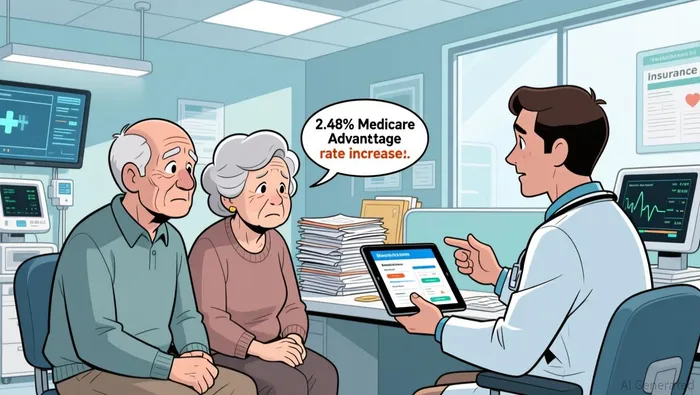
The revised rate also provides clarity for insurers, allowing them to better plan for 2027. Previously, uncertainty around payment rates made it difficult for companies to make long-term financial decisions. With the 2.48% increase now finalized, insurers can begin preparing for the next year with more confidence, knowing that they will have the financial resources needed to maintain their plans and offer competitive benefits.
How This Affects UnitedHealth and Other Key Insurers
For investors, one of the most important questions is how this rate hike will affect major insurers like UnitedHealth (UNH) and Humana (HUM). The answer appears to be positive. UnitedHealth, for example, has seen its stock price rise in the days following the announcement, reflecting investor optimism about the company's future earnings potential. Humana and CVS Health have also seen similar stock price increases, indicating that the market views the rate hike as a positive development for the sector as a whole.
The financial impact of the rate hike will depend on how insurers choose to use the additional funds. Some may use the extra revenue to improve benefits for beneficiaries, while others may use it to offset rising costs or boost profitability. Analysts suggest that the key factor will be how effectively insurers can manage their costs while maintaining high-quality care. Companies that can strike the right balance between cost control and service quality will likely see the greatest benefits from the rate hike.
For investors, this means that the performance of companies like UnitedHealth will depend not only on the rate hike itself but also on how well they manage their operations in the coming year. While the rate increase provides a much-needed financial boost, it is not a guaranteed path to profitability. Companies that fail to manage their costs or struggle with regulatory pressures may still face challenges, even with higher reimbursement rates.
What to Watch Next
While the 2.48% rate hike is a positive development for the Medicare Advantage sector, investors should remain cautious. may outpace the rate increase, leaving insurers with pressure to reduce expenses or adjust benefits. Analysts believe that this gap can be managed through modest changes, but it remains a potential headwind for the industry.
Another important factor to watch is how CMS and Congress respond to the new rate. If there are additional regulatory changes or policy shifts in the coming months, that could impact the financial outlook for insurers. Investors should also pay attention to how insurers use the additional funds—will they reinvest in the business, or will they focus on boosting profits through cost-cutting measures?
In the end, the 2027 Medicare Advantage rate hike is a significant event for the health insurance industry. For companies like UnitedHealth, it represents a major opportunity to improve financial performance while maintaining coverage for seniors. However, the long-term success of these companies will depend on how well they can manage costs and adapt to changing market conditions.

Stay ahead of the market.
Get curated U.S. market news, insights and key dates delivered to your inbox.


AInvest
PRO
AInvest
PRO



Comments
No comments yet