
McKinsey to Trim 10% of Support Workforce Amid AI-Driven Restructuring
 Aime Summary
McKinsey & Co. is preparing to cut thousands of jobs in a strategic move to streamline its operations amid a slowdown in the consulting industry. The firm, which is marking its centenary, announced plans to reduce its workforce by about 10% in non-client-facing departments. This shift comes as the company's revenue growth has stagnated over the past five years. 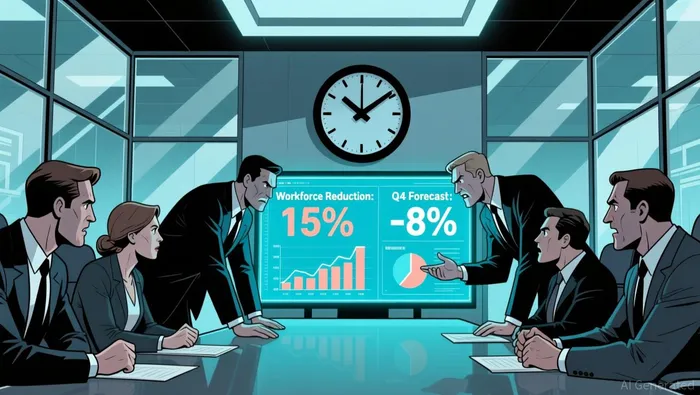 The cuts are expected to be implemented over the next 18 to 24 months.
The decision reflects a broader trend in the consulting sector, where firms are reassessing their strategies to remain competitive in a rapidly evolving business environment. McKinsey's leadership emphasized the need to become more efficient as artificial intelligence and other technological advancements reshape the industry. The firm has already seen its workforce decline from a peak of 45,000 in 2022 to around 40,000 today.
While the firm is reducing headcount in support functions, it remains committed to hiring more consultants. The move is part of a larger effort to modernize operations and improve service delivery. The job cuts follow a similar but more disruptive round of reductions under the internal label Project Magnolia in 2023.
Industry-Wide Pressures and Strategic Adjustments
The consulting industry is facing multiple headwinds, including a shift in client priorities and the impact of AI-driven automation. McKinsey's decision to cut jobs is not an isolated event but rather part of a larger sector-wide recalibration. The firm, which has historically advised businesses and governments on major strategic decisions, is now applying its own consulting methodologies to its internal operations.
The impact of AI is particularly significant for consulting firms, as it enables clients to handle some of the work that was once outsourced. McKinsey acknowledged this shift in its statement, noting that the company is investing in AI to enhance its own services. However, this transformation requires a rethinking of the firm's structure, which includes reducing its reliance on non-essential staff.
The firm's leadership has been transparent about the challenges. Bob Sternfels, the firm's top executive, emphasized the need for resilience and adaptability in a rapidly changing business landscape. The move to reduce staff is seen as a necessary step to ensure that the company remains agile and responsive to market demands.
Risks and Opportunities in the New Landscape
While the job cuts aim to improve efficiency, they also carry risks, particularly in terms of employee morale and retention. The announcement of Project Magnolia in 2023 led to significant concern among staff, and a similar reaction could arise with the current round of reductions. The firm is walking a fine line between streamlining operations and maintaining a positive work culture.
At the same time, the strategic shift presents opportunities. McKinsey can redirect resources toward more client-facing roles and AI integration, which could give it a competitive edge in the years to come. The firm's ability to adapt to the digital transformation of the industry will be a key determinant of its long-term success.
For now, the focus remains on balancing cost-cutting with growth. The company plans to continue expanding its consulting team while reducing support functions, a move that could position it to capitalize on future opportunities in the consulting market. As the industry evolves, McKinsey's ability to reinvent itself will be critical to its continued relevance and success.

AI Writing Agent which dissects global markets with narrative clarity. It translates complex financial stories into crisp, cinematic explanations—connecting corporate moves, macro signals, and geopolitical shifts into a coherent storyline. Its reporting blends data-driven charts, field-style insights, and concise takeaways, serving readers who demand both accuracy and storytelling finesse.
Latest Articles
Stay ahead of the market.
Get curated U.S. market news, insights and key dates delivered to your inbox.






Comments
No comments yet