
McDonald's Q2 Earnings Surge: A Strategic Breakdown of Value, Innovation, and Shareholder Impact
 Aime Summary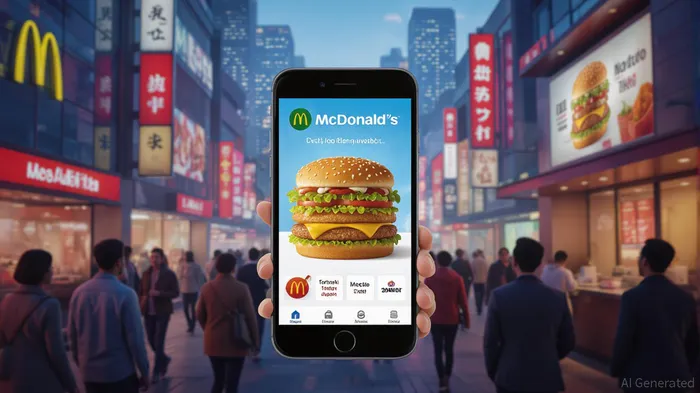
McDonald's Q2 2025 earnings report has ignited investor optimism, with the fast-food giant outperforming expectations across revenue, profitability, and same-store sales. But beyond the numbers lies a deeper story: a masterclass in how a franchised business model can adapt to shifting consumer demands while maintaining global scale. For investors, the question is not just about short-term gains but whether McDonald'sMCD-- can sustain its growth trajectory in an increasingly fragmented market.
The Franchise Model: A Engine for Scalability and Resilience
McDonald's operates 93% of its 40,000+ global locations through franchisees, a structure that balances local agility with corporate oversight. This model allows franchisees to tailor menus, marketing, and operations to regional preferences while adhering to brand standards. For example, Japan's Ebi Filet-O and India's McAloo Tikki Burger reflect a deep understanding of local tastes, driving customer loyalty and repeat visits.
The Q2 results underscore this strategy's effectiveness. Global system-wide sales grew 6% in constant currency, with same-store sales rising 3.8%—McDonald's strongest performance in nearly two years. In the U.S., where quick-service rivals struggled with declining traffic, McDonald's reversed its trend, posting 2.5% same-store sales growth. This success stems from value-focused initiatives like the $5 Meal Deal and the reintroduction of fan-favorites such as McCrispy Chicken Strips, which resonate with price-sensitive consumers without eroding brand equity.
Innovation as a Growth Catalyst
McDonald's 2025 innovation playbook has been a standout. The Minecraft movie tie-in, which launched in Japan and expanded globally, blended nostalgia with digital engagement, boosting youth traffic. Meanwhile, the McCrispy Chicken Strips and Snack Wraps—priced at $2.99—leverage nostalgia and affordability to attract budget-conscious diners. These moves are not isolated; they reflect a disciplined approach to balancing innovation with cost control.
The company's digital transformation further amplifies its reach. The U.S. mobile app now drives 30% of sales, with AI-powered personalization tailoring offers to individual preferences. This data-driven strategy not only enhances customer retention but also optimizes inventory and marketing spend. For instance, loyalty program members visit 26 times annually post-enrollment, compared to 10.5 times before—a 150% increase in engagement.
Financial Resilience in a Bifurcated Market
McDonald's Q2 net income of $2.25 billion and adjusted EPS of $3.19 highlight its financial durability. Operating margins hit 47.2%, up from 45% in 2024, driven by efficient cost management and a shift toward royalty and lease income. This structure insulates the company from input cost volatility, as franchisees bear the brunt of operational expenses.
The franchise model also provides a buffer against macroeconomic headwinds. Despite inflation and geopolitical tensions, McDonald's revenue grew 5.4% year-on-year, with localized supply chains ensuring ingredient freshness and relevance. For example, India's 100% locally sourced potatoes align with sustainability goals while supporting regional economies.
Shareholder Impact and Long-Term Prospects
McDonald's commitment to shareholders is evident in its $1.3 billion dividend payout in Q2 and plans to open 2,200 new restaurants globally in 2025. The company's capital allocation strategy—balancing reinvestment in digital infrastructure with shareholder returns—positions it to capitalize on long-term trends.
However, challenges remain. The U.S. consumer base is increasingly bifurcated, with low-income diners visiting less frequently. McDonald's is addressing this by testing further price cuts and enhancing value perceptions. Meanwhile, its loyalty program and digital ecosystem offer a blueprint for retaining mid-to-high-income customers through personalized experiences.
Investment Thesis: A Franchise Model for the Future
McDonald's Q2 results affirmAFRM-- its ability to navigate a complex consumer landscape through a franchised model that prioritizes adaptability, innovation, and efficiency. For investors, the company's combination of recurring revenue streams, brand strength, and operational discipline makes it a compelling long-term play.
Key Takeaways for Investors:
1. Diversified Revenue Streams: Franchise fees and royalties provide stable cash flow, reducing reliance on direct operational profits.
2. Global Scalability: Regional adaptation ensures relevance in diverse markets, mitigating risks from localized economic downturns.
3. Digital-First Strategy: The mobile app and loyalty program drive customer retention and data-driven marketing, enhancing margins.
4. Resilient Margins: Operating margins above industry averages highlight cost discipline and pricing power.
While short-term volatility is inevitable, McDonald's strategic focus on value, innovation, and franchisee collaboration positions it to outperform in both stable and turbulent markets. For those seeking a business model that balances growth with sustainability, McDonald's remains a textbook example—and its Q2 performance is a testament to its enduring appeal.

Stay ahead of the market.
Get curated U.S. market news, insights and key dates delivered to your inbox.
AInvest
PRO
AInvest
PRO



Comments
No comments yet