
Mauritius Seeks Emergency Power Measures to Avoid Scheduled Cuts
ByAinvest
Wednesday, Jul 23, 2025 6:38 am ET1min read
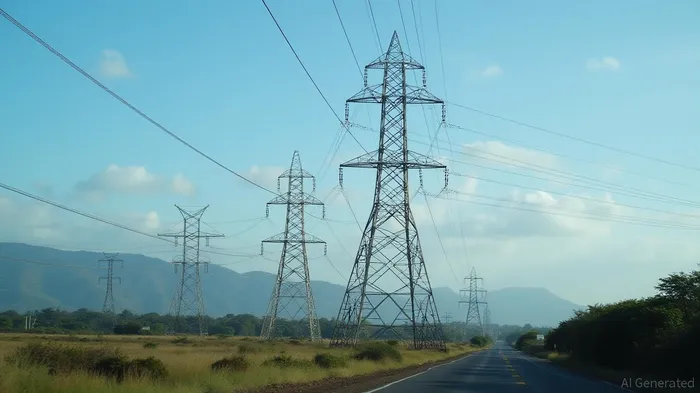
Mauritius is facing a power supply crisis and may impose scheduled power cuts if measures to increase electricity supply by 100 MW by December or January fail. The state-owned Central Electricity Board is exploring temporary solutions, including the addition of two 30 MW plants and using batteries with renewable energy sources. The country's goal of achieving 60% renewable energy by 2030 is also being delayed due to an aging fleet of turbines and higher electricity demand.
Mauritius is currently grappling with a significant power supply crisis, with the state-owned Central Electricity Board (CEB) exploring temporary solutions to meet the increasing electricity demand. The country's goal of achieving 60% renewable energy by 2030 is being delayed due to an aging fleet of turbines and higher electricity demand [1].Current Power Supply Crisis
The power supply crisis has led to potential scheduled power cuts if measures to increase electricity supply by 100 MW by December or January fail. To address this, the CEB is exploring temporary solutions, including the addition of two 30 MW plants and the use of batteries with renewable energy sources.
Renewable Energy Targets
Mauritius aims to achieve 60% renewable energy by 2030, but the current crisis highlights the challenges in meeting this target. The aging fleet of turbines and higher electricity demand have contributed to the delay in reaching the renewable energy goal.
Investment in Renewable Energy
Foreign direct investment (FDI) is crucial in advancing renewable energy development, as highlighted in a recent study [2]. The study emphasizes that external financial inflows, including FDI, foreign aid, and remittances, are vital for financing the renewable energy sector. China, in particular, has emerged as a key player in global markets, significantly investing across African industries, including renewable energy projects [3].
Digitalization and Renewable Energy
Digitalization is another key factor driving the growth of renewable energy. Digital technologies, such as the Internet of Things (IoT) and Artificial Intelligence (AI), are revolutionizing renewable energy production by enabling faster data transmission and optimizing energy utilization in energy management systems, trading markets, and smart grids [4]. However, developing countries like Mauritius are still catching up in leveraging digital technologies for innovative renewable electricity production.
Conclusion
Mauritius faces significant challenges in meeting its renewable energy targets due to an aging fleet of turbines and higher electricity demand. The power supply crisis underscores the need for immediate solutions, such as the addition of temporary power plants and the use of renewable energy sources with batteries. Additionally, the country must continue to attract FDI and leverage digital technologies to drive sustainable renewable energy development.
References
[1] URL: https://www.sciencedirect.com/science/article/pii/S096014812501715X
[2] URL: https://www.sciencedirect.com/science/article/pii/S096014812501715X
[3] URL: https://www.sciencedirect.com/science/article/pii/S096014812501715X
[4] URL: https://www.sciencedirect.com/science/article/pii/S096014812501715X
Stay ahead of the market.
Get curated U.S. market news, insights and key dates delivered to your inbox.


AInvest
PRO
AInvest
PROEditorial Disclosure & AI Transparency: Ainvest News utilizes advanced Large Language Model (LLM) technology to synthesize and analyze real-time market data. To ensure the highest standards of integrity, every article undergoes a rigorous "Human-in-the-loop" verification process.
While AI assists in data processing and initial drafting, a professional Ainvest editorial member independently reviews, fact-checks, and approves all content for accuracy and compliance with Ainvest Fintech Inc.’s editorial standards. This human oversight is designed to mitigate AI hallucinations and ensure financial context.
Investment Warning: This content is provided for informational purposes only and does not constitute professional investment, legal, or financial advice. Markets involve inherent risks. Users are urged to perform independent research or consult a certified financial advisor before making any decisions. Ainvest Fintech Inc. disclaims all liability for actions taken based on this information. Found an error?Report an Issue




Comments
No comments yet